Want to Launch a Beauty or Food Brand in Indonesia? Here’s What You Need to Know About BPOM

Dreaming of launching your own skincare, food, beverage or wellness brand in Indonesia? Before your products reach the shelves, there are several legal steps you'll need to complete, and one of the most important is BPOM registration.
Ever dreamt of starting your own skincare line, seeing your food products sold in Pepito or launching your own craft beer brand? In this article, we’re going to explore the steps you need to take if you want to open a company which sells consumables like food, drinks and beauty products in Indonesia. Although you will need to set up a company to sell your goods, doing so doesn’t mean you’re ready to start making money just yet. If you’re selling something that people eat, drink or put on their skin, you’ll need to get approval from an agency called BPOM first.
A quick answer if you're short on time: BPOM (Badan Pengawas Obat dan Makanan) is Indonesia's equivalent of the FDA (Food and Drug Administration) in the USA. They regulate food, beverages, cosmetics, supplements and medicines. Before your product can legally be sold, it needs a BPOM registration number. Actually, if you have a range of products, every variant needs its own number. In practice, this means if you sell three different scents of body wash, each one of them needs its own separate registration number. For smaller home-scale producers, there’s the option to use a simpler local certificate called the SPP-IRT instead, but this cannot be used for imported or high risk products.
Setting Up A PT PMA
Once you’re clear on your plan, you’ll need to open a PT PMA registered with the right KBLI code for what you’re selling (e.g. beverage retail).
Important Regulatory Reminder: Effective May 2026, all low and medium-low-risk KBLIs have been suspended in the Bali region. Because retail and wholesale KBLIs generally fall under the low-risk category, you may need to register your company in another Indonesian region (such as Jakarta) unless the Governor of Bali lifts this restriction.

Before registering any product, you'll first need a legal Indonesian company (PT PMA) with the correct business activity (KBLI). Company setup comes before product registration.
Before your product can be sold, you need to pass a safety assessment. BPOM registration is only possible for legal Indonesian entities, which means that foreign brands have to either set up their own PT PMA if possible, or find a local company who can register on their behalf. Because whoever holds the registration holds market access, it’s recommended to choose your local partner very wisely.
Skincare and Beauty
Getting the green light from BPOM to sell skincare and cosmetics is called ‘notification,’ and can be done through the official BPOM e-Notifikasi Kosmetik online portal.
To apply, you’ll need these documents:
Business Identification Number (NIB)
Import license (if importing)
Product details
Labels
A product information file (DIP/PIF)
A certificate of free sale (if importing)
A letter which authorizes the product between the brand, manufacturer and person applying.
If the product passes the safety test, it will receive a notification number, such as an NA code for locally manufactured or Asian products, or NC/NE codes for other imported goods, which must be printed on the packaging and is valid for three years. The application may be rejected if the product’s label contains false medical claims, if required documents are missing, or if prohibited ingredients are detected. Although the BPOM review itself might not take that long, collecting all the necessary documents, testing, creating labels and company set up can take several months or longer.
Food and Drinks
When it comes to food and beverages, the registration you need depends on how and where your product is made. If you want to have a proper production facility, then you’ll need a distribution license from BPOM. The license will be titled ‘MD’ for domestically made goods and ‘ML’ for imported ones. Generally speaking, the registration is assessed according to the risk level of your product, as well as the ingredients, processing and target consumers. Please note that for craft beer or any alcoholic beverage brand, additional Customs excise approvals (NPPBKC) and specialized high-risk distribution permits will also be required alongside BPOM registration.
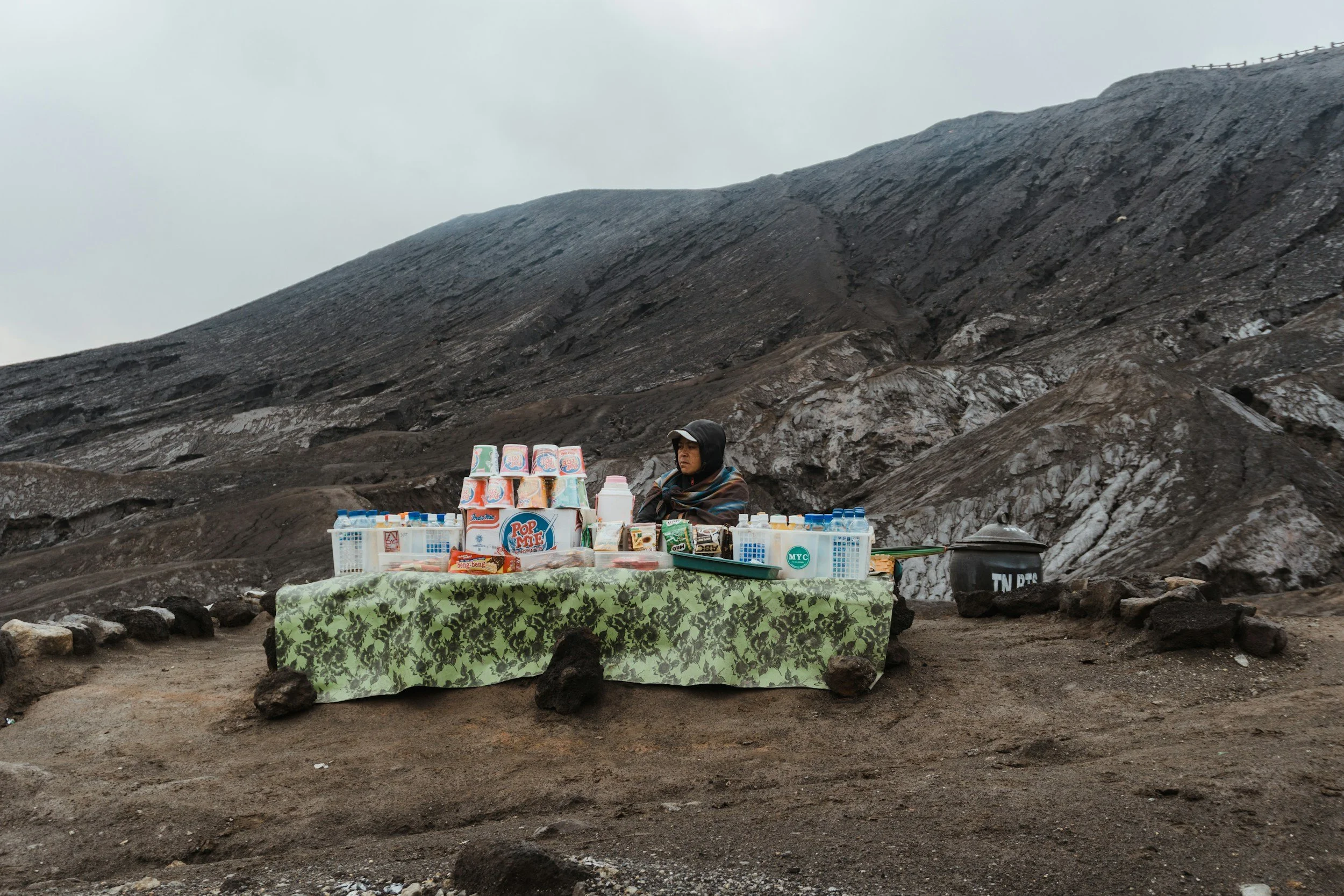
Food businesses follow different licensing routes depending on how products are made. Small home industries may qualify for SPP-IRT, while larger production facilities require full BPOM registration.
For smaller producers, a SPP-IRT (home industry food production certificate) is a better choice. This is issued by the local mayor or regent rather than BPOM itself, and covers low-risk products like chips and syrups made at home with manual or semi-automatic equipment. Once you get the certificate, it’s actually valid for 5 years. However, it does have hard limits such as not using big manufacturing-scale machinery, not making high-risk products and not distributing en masse. If you want to do any of those activities, you have to upgrade to a full BPOM license. If you’re found selling products without the right certificate, you can face fines of up to Rp 2 billion or imprisonment.
Important to note: an SPP-IRT is not required for processed foods with a shelf life of less than seven days, ready-to-eat meals, or unprocessed foods intended for direct consumption or as ingredients in further food processing. To demonstrate that a product qualifies for this exemption, its label should include the production date and expiration date (or best-before date). It is also recommended to include other essential information, such as the product name, manufacturer, ingredient list, net weight, and storage instructions where applicable.
An Upcoming Deadline for Consumables
There's one more thing to think about before your product hits the shelf. Halal certification will soon be mandatory for a wide range of consumables. Larger domestic food and beverage businesses have been required to certify since October 2024. Starting October 17, 2026, this mandatory requirement strictly extends to imported food and beverages, as well as initiating the rollout phase for cosmetics and personal care products. Certification runs through an agency called BPJPH and involves checking your ingredients and supply chain, which takes months rather than weeks. So if your launch plans stretch past October, it's best to start the halal process alongside your BPOM registration.
Need Help?

While we don't process BPOM registrations ourselves, we can help you build the right business structure, choose suitable KBLIs and plan realistic timelines before you invest.
If you dream of putting your own product on a Bali shelf, that dream is totally doable but there is quite a lengthy process behind it. If you want to speak to someone about the reality behind setting up a beauty, skincare, food or beverage company in Indonesia, don’t hesitate to reach out to us. We are Bali Solve, a business consulting and visa agency based in Pererenan, near Canggu. We don't process BPOM registrations or product permits directly, but we can help you understand the full picture, set up your PT PMA correctly and plan realistic timelines before you invest in production. Reach out via WhatsApp or drop by our office, and let's get your product out there!
Frequently Asked Questions
Q: Can I sell my skincare or food product once my PT PMA is set up?
A: In actual fact, company setup is only step one; every consumable product needs its own BPOM registration (or SPP-IRT for small home food producers) before it can legally be sold.
Q: Does every product variant need its own registration?
A: Yes. Different flavours, shades or formulations each require a separate registration number, so plan your product range and timeline accordingly.
Q: How long does BPOM approval take?
A: The formal review can be a matter of weeks, but realistically the full process, including preparation, testing and audits, takes several months and sometimes, complex cases can take longer.
Q: What is the SPP-IRT?
A: A simpler certificate for home-scale, low-risk food products like cookies or chips, issued by your local regent or mayor. It doesn't cover automated production, high-risk foods or products for major retail shops.
Q: Do I need halal certification too?
A: From the 17th of October, 2026, it becomes mandatory for micro and small food businesses, imported food and drinks, and all cosmetics. It's a separate process through BPJPH, so start it when registering with BPOM.
Written by Bali Solve Team
28 July 2026