How Bad is Bali’s Traffic?
For those who live in south Bali, traffic jams are just a part of life. For tourists, or those who imagine Bali as an unspoiled paradise, the extent of the traffic often comes as a surprise, so much so that Bali has made global headlines in recent years because of it. Although efforts have been made to fix the congestion, many of Bali's narrow roads are surrounded by residential housing which effectively limits what can actually be done to improve the situation. Let's take a look at the measures taken, whether they’re working and what you need to know as a foreigner driving in Bali.
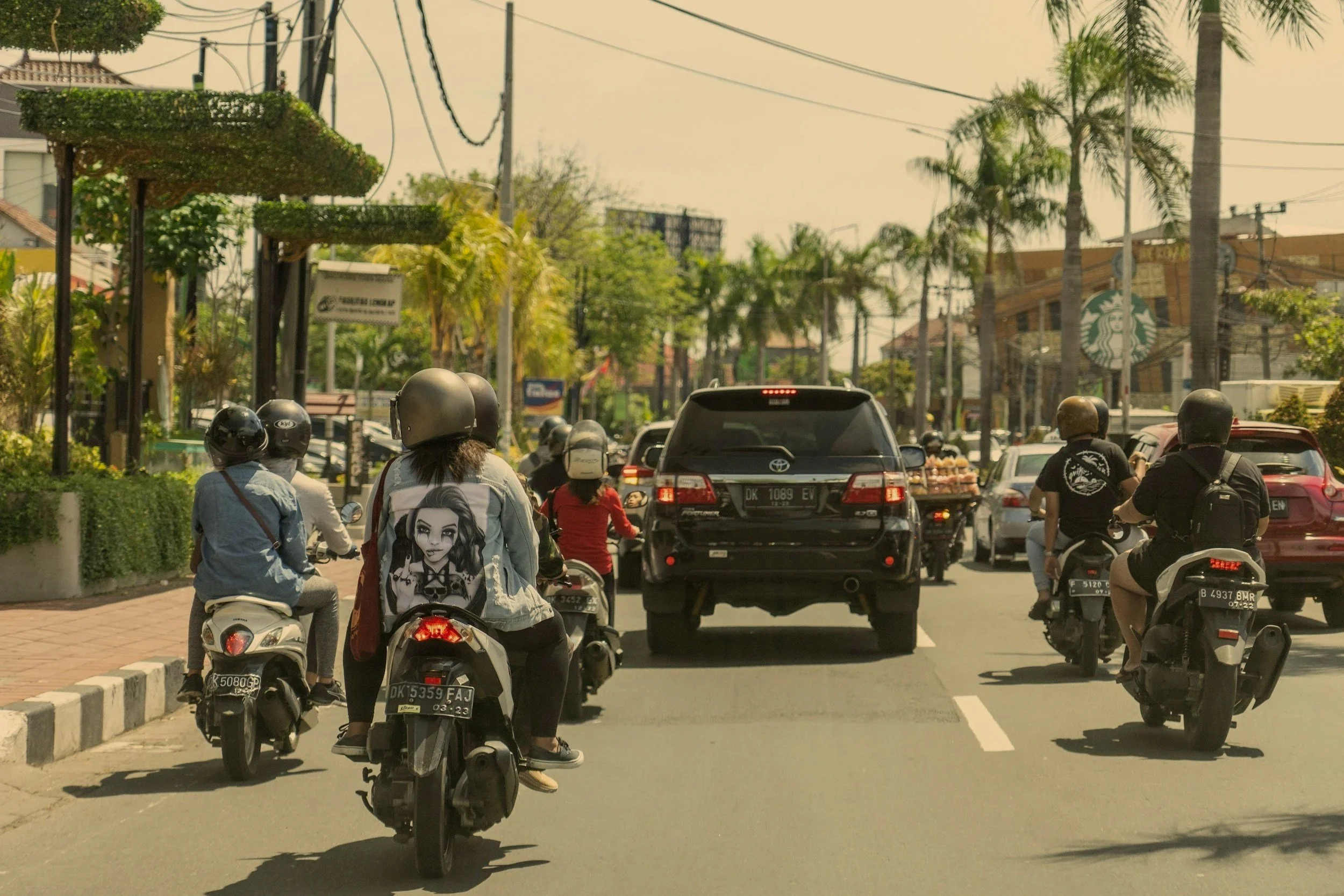
Bali's traffic has become one of the island's biggest challenges. Here's what's happening, what's changing, and what foreigners should know.
A quick answer if you're short on time: south Bali's traffic has gotten worse, and the fixes so far have been mixed. A one-way system in Kerobokan eased one road but pushed the problem onto others, a long talked-about metro has stalled, and a proposed water taxi from the airport to Canggu is still quite far from actually running. If you're a foreigner who wants to drive in Bali, you still need a local motorbike licence, not just an international one.
One-Way Systems
Canggu and its surrounding areas are famous for intense traffic jams, where motorbikes crawl along the roads at a snail's pace. To combat the congestion in one of the most gridlocked spots, the 'aeroplane' junction around Kerobokan Kelod and Batu Belig, a one-way system was implemented this year.
It had mixed results. The Bali Sun reported in January that the trial eased congestion on Batu Belig, but pushed it onto surrounding roads instead. By June, plans to extend the system across the rest of Canggu had been shelved after the new routing effectively ended up making a 500m journey become 8 kilometres. Even if the traffic flow has improved in places, this increase in distance has been a source of complaint among residents in the area.
Water Taxis
When it comes to traffic, one of the hardest-hit areas in all of south Bali is Sunset Road. Since Sunset Road is one of the most popular routes to the airport, Kuta and Uluwatu, it often becomes gridlocked. Being able to take a boat from Canggu to the airport without having to drive on it would ease up traffic issues and make getting to and from the airport much less stressful. As such, the government has been working on introducing a water taxi that does exactly this. The Ministry of Transportation, through state-owned operator PT ASDP Indonesia Ferry, is developing a route from Sekeh Beach near the airport to Berawa Beach, aiming to cut a one to two hour drive down to around 30 minutes, according to ANTARA News and Tempo.
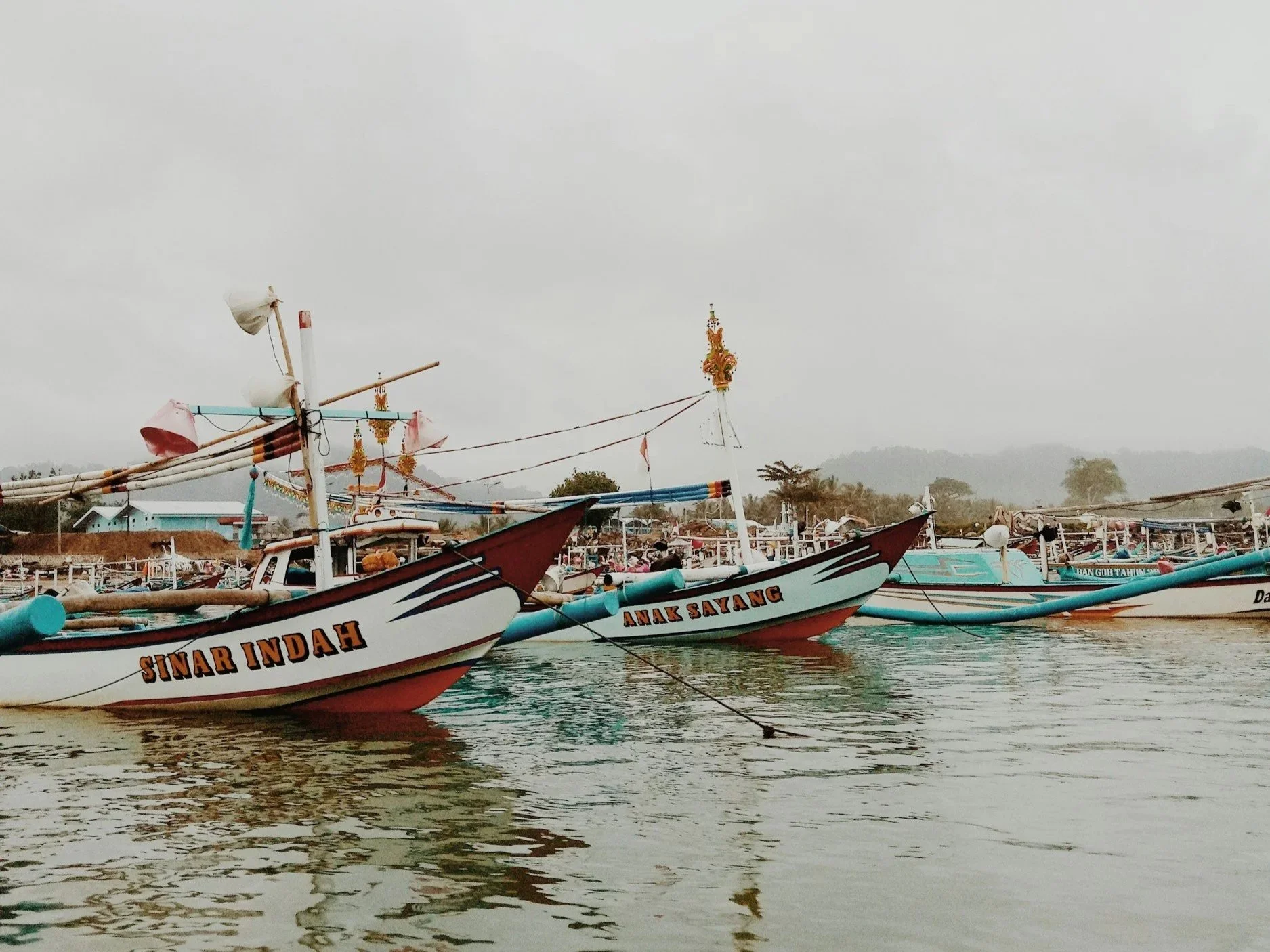
A proposed water taxi could one day connect Canggu and the airport, but it's still under development.
However, the water taxi isn't currently available, and the timeline keeps shifting. Back in April 2026, the plan was for construction to begin in August, running through to July 2027, according to Jakarta Globe. But at a meeting held on 9 July 2026, the Transport Minister said he now hopes the facilities near the airport will simply be completed by November 2026, and confirmed construction is still waiting on the Ministry of Public Works to finish beach normalisation works first, according to Bali Discovery's more recent report. In other words, the original August start date has already changed. It's a real project moving forward, but not one to plan around just yet, even if it could eventually be a meaningful change once it's running.
The Bali Metro
The Bali Metro, also known as the LRT or MRT, grabbed headlines for years. If you've been wondering why you've never actually seen construction on the ground, it's because the project seems to have stalled. Reporting from early 2026 pointed to a possible switch from Light Rail to Autonomous Rail Transit, a change of investor and some local officials stating that they hadn't received an official update, according to The Bali Sun. By April, Bali Discovery reported that a Singapore-based contractor was dealing with issues from the project company. It hasn't been officially cancelled, but for now, it's not something to plan your commute around.
Cars and Bikes: Our Own Observations
Here's something we've noticed ourselves, just from living in Bali: more long-term expats are switching from bikes to cars. Tourists still often rent scooters, but a growing number of longer-term residents are making the change, and pollution seems to be the main reason. Sitting in a car for an extra 20 minutes on a road like Jalan Raya Canggu with the windows up is better than breathing in exhaust fumes on a bike. Although we don’t have data to back it up, it’s just something worth knowing if you're weighing up your own transport options here.
Traffic Around Public Holidays
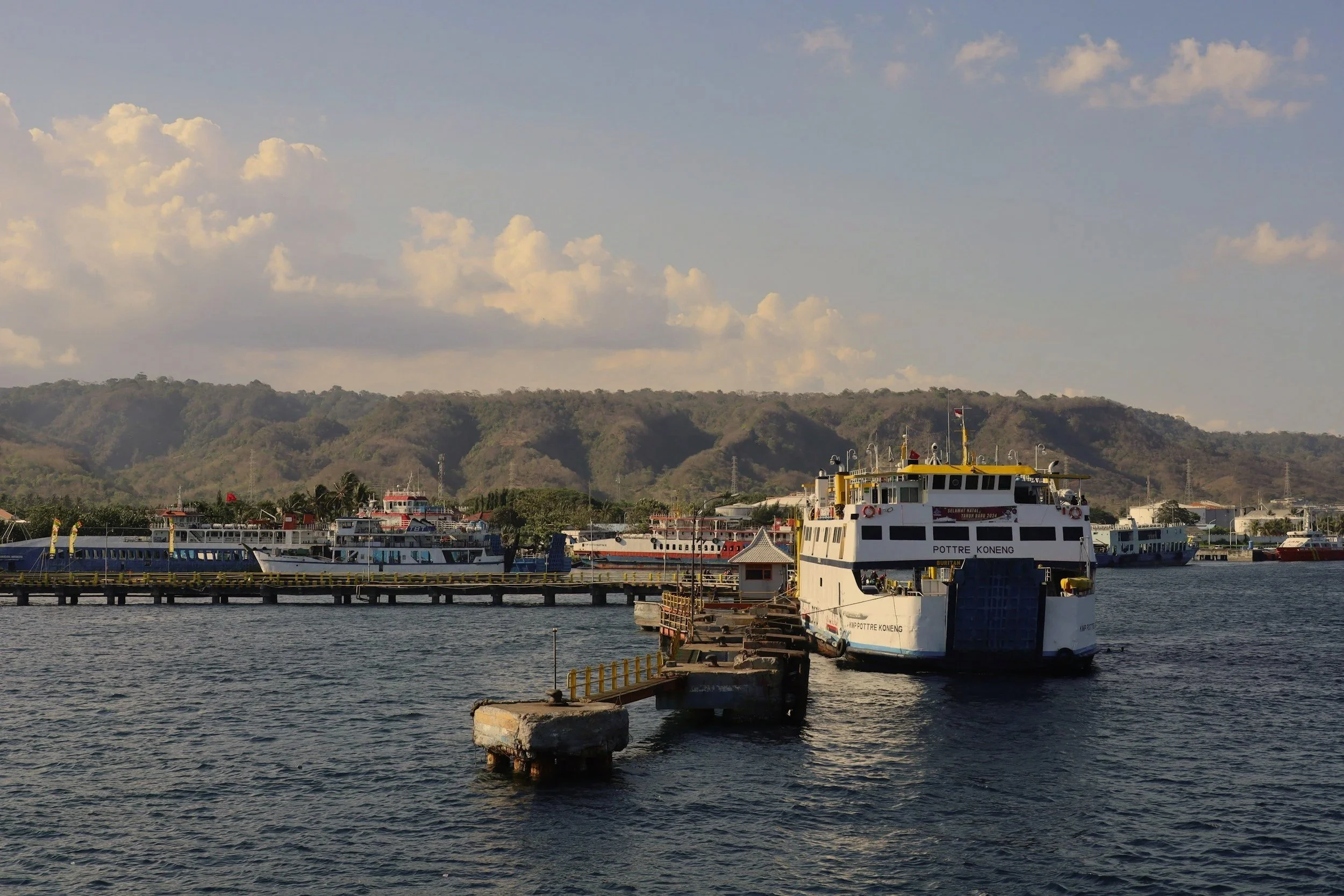
During Indonesia's major holiday periods, Bali's ferry terminals can experience extreme congestion, with vehicle queues stretching for kilometres and waiting times lasting many hours.
Traffic isn’t only an issue in tourist areas. In March 2026, vehicle queues for the ferry that goes to Java from Gilimanuk stretched for 30 to 40 kilometres, with some travellers waiting up to 20 hours and at least 16 people collapsing from heat exhaustion, according to The Jakarta Post and Jakarta Globe. Indonesian National Police confirmed the jam wasn't caused by an accident, but simply by the sheer number of vehicles queuing to board. According to Kompas, the ASDP recorded over 80,000 passengers crossing in a single day, a 35% jump on the year before.
Getting a Driving Licence
When it comes to driving licences, you might assume that once you have an International Driving Permit (IDP), you're legally able to ride a motorbike in Bali. In practice, local police still expect foreign riders to hold a local motorbike licence, even with a valid IDP in hand, although enforcement on the ground depends heavily on which officer pulls you over. Our advice is not to wait to find out the hard way, and to get your local licence before you start driving.
What's Next for Bali's Traffic?
Smaller road improvements continue across South Bali, although many projects are still in the planning stage.
Beyond the larger projects, smaller changes are quietly changing how people move around the island. We've heard of a planned shortcut in the Batu Belig area, near Cafe Del Mar, intended to give cars a new route in from Umalas, though details remain unconfirmed at this stage. We'll keep an eye on developments here and update you in the future.
Need Help?
When getting around Bali, it’s best to plan for delays and to get a licence. If you want help getting yours sorted, simply reach out to us so we can take care of that for you. We are Bali Solve, a business consulting and visa agency based in Pererenan, near Canggu. Drop us a message via WhatsApp or drop by our office in Pererenan, and we’ll be happy to help you.
Frequently Asked Questions
Q: Is Bali's traffic really getting worse?
A: Yes. Events like the March 2026 Gilimanuk queues, which stretched up to 40km, reflect a broader pattern of infrastructure struggling to keep up with the number of vehicles on the island.
Q: Did the Kerobokan one-way system fix traffic?
A: Only partially. It eased congestion on Batu Belig Road specifically, but shifted the problem onto surrounding roads, and plans to expand it across Canggu have since been shelved.
Q: When will the airport-to-Canggu water taxi be running?
A: Not for a while yet. Construction was originally planned to start in August 2026, but as of a government meeting on 9 July 2026, the Transport Minister is now aiming for facilities near the airport to simply be completed by November 2026, with work still pending on beach normalisation. Treat any date as provisional for now.
Q: Is the Bali Metro still happening?
A: It hasn't been officially cancelled, but as of 2026 it remains stalled, with no confirmed construction timeline.
Q: Do I need a local driving licence if I already have an international one?
A: In practice, yes. Local police can still require a local motorbike licence even if you hold an IDP, so it's worth getting one to avoid complications on the road.
Written by Bali Solve Team
30 July 2026