Finding Products to Sell: Where Indonesia Makes Things
When people think about doing business in Indonesia, they usually think of opening something in Bali. But when it comes to selling products, it might be time to widen your horizons, as most of the country's production houses are in places you might never have heard of. Whether you’re sourcing, exporting or even selling goods here, knowing the areas you can buy from directly can save you money.
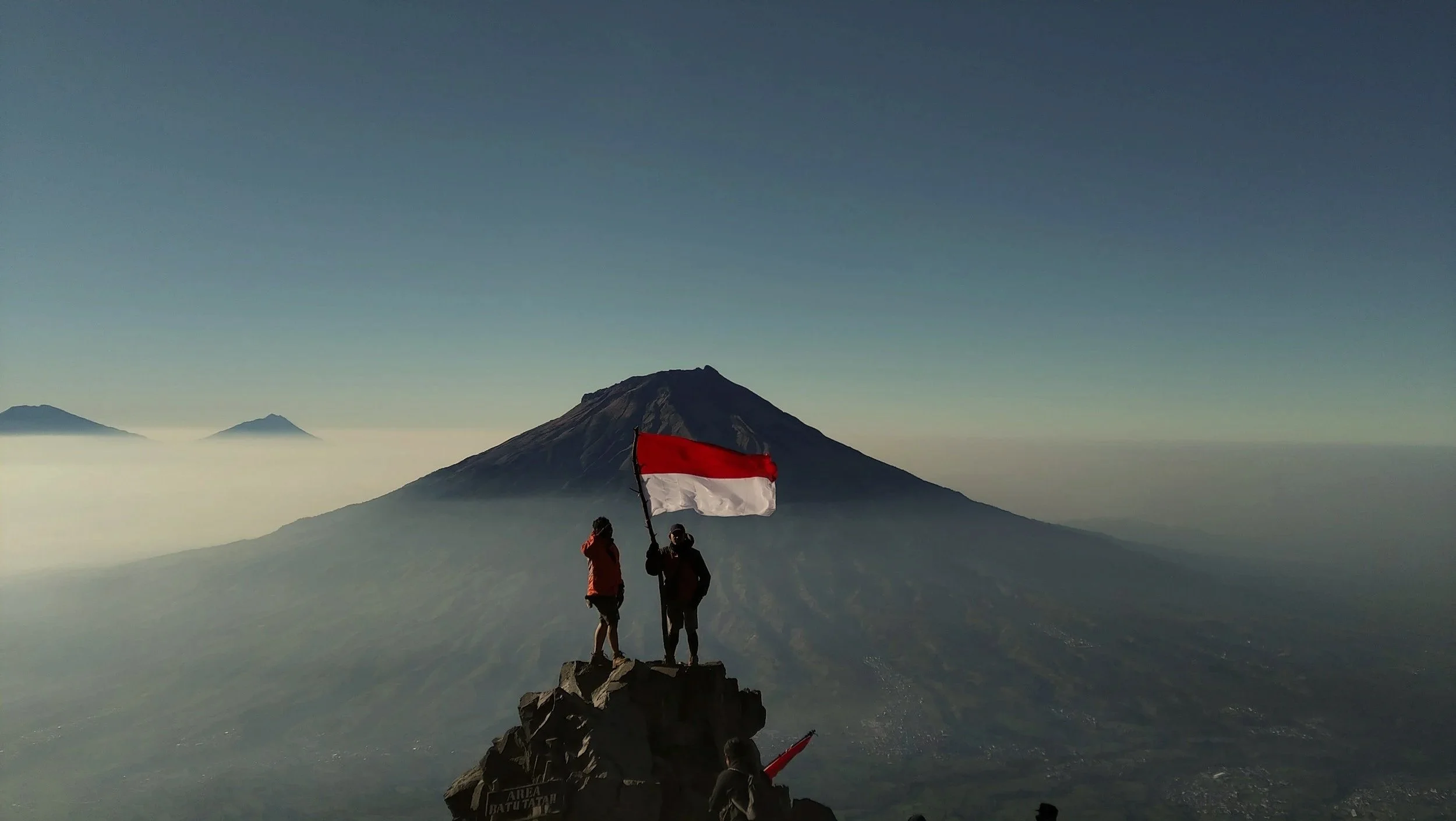
Indonesia is home to a wide range of manufacturing industries. From furniture and textiles to coffee and traditional boatbuilding, knowing where products are actually made can help you source more efficiently.
A quick answer if you're short on time: Indonesia produces a huge number of different products and has plenty of interesting industries to explore. Jepara in Central Java is the country's furniture and woodcarving capital, Bandung is a hub for textiles and leather, Kudus and Kediri are home to the cigarette industry and Sumatra grows a huge share of the nation's bananas, pineapple and robusta coffee. When it comes to palm oil, Kalimantan is a major area of production, and for the famous phinisi boats you see sailing around Komodo, Bulukumba in South Sulawesi is the place to visit. Bali is better known for finishing and design. Whichever region you source from, you'll still need the right company setup and import/export licensing, which we discuss more in this article.
Jepara: The Furniture Capital
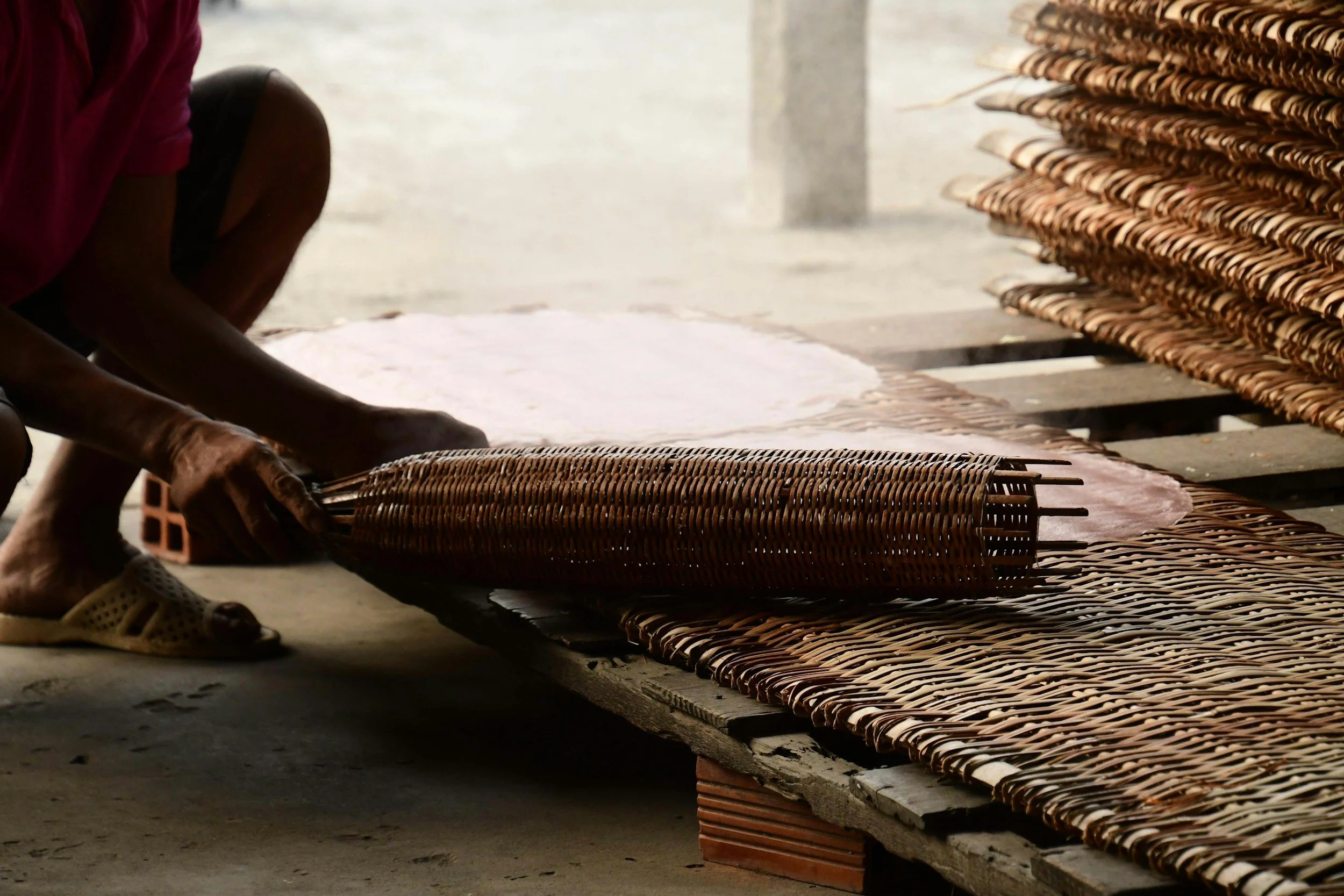
Jepara has earned its reputation as Indonesia's furniture capital. The region is famous for handcrafted teak furniture, traditional woodcarving, and factories that export products to markets around the world.
Indonesian teak furniture is high-quality and perfect for humid climates due to its hardness and resistance against insects. The most famous place to buy teak furniture in Indonesia is Jepara, a coastal town in Central Java, which has a long tradition in Javanese woodcarving and is known as ‘The Carving City’. Indonesia's tourism board describes it as one of the country's top places for woodcarving and furniture centres. The furniture here is made by both small family carvers and full export factories, and is then exported all over the world.
If you’re looking for factory prices or a wide range of furniture styles to choose from, then flying straight to Jepara could be a good idea. However, while prices may be cheaper, there may be benefits to working with a Bali-based intermediary, such as an English speaking service, quality control and export handling. Getting an Indonesian translator or speaking the language yourself will help if you want to get the lowest prices possible.
Bandung: Clothing and Leather
Bandung is a city that lies a couple of hours south of Jakarta and famous for its textile markets. Cibaduyut and Pasar Baru are the perfect places to find leather goods and textiles. If your business idea involves fashion, garments or leather, this is a region you should definitely explore.
Kudus and Kediri: Tobacco and Cigarettes
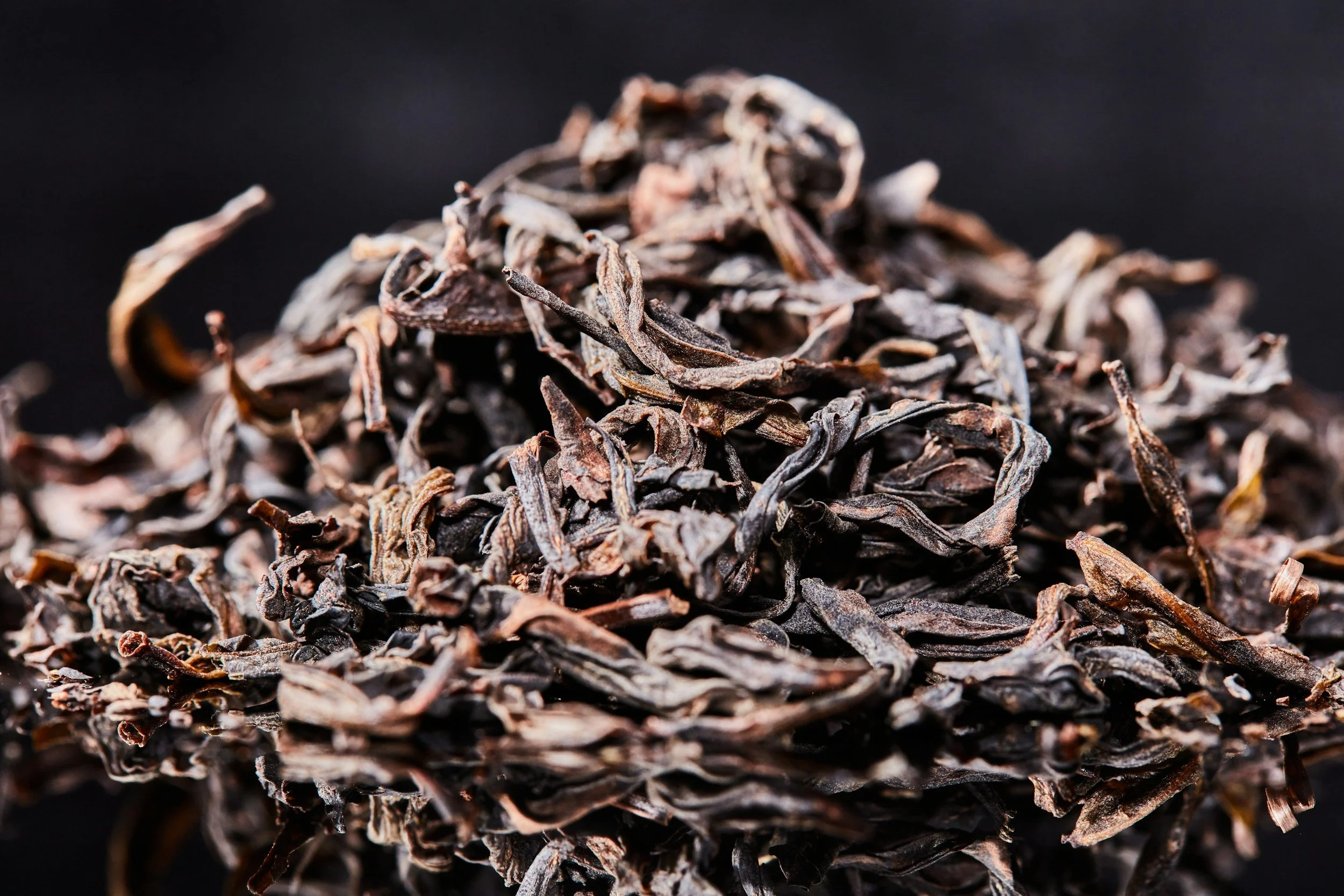
Central and East Java have long been the heart of Indonesia's tobacco industry. These regions remain home to many of the country's best-known cigarette manufacturers.
Kudus is a small city in Central Java where the kretek (clove cigarette)was invented around 1880, after a local resident called Djamhari mixed cloves into his tobacco to help him with his chest pains. Today the kretek industry is one of Indonesia’s largest, with hundreds of manufacturers and millions of employees. If you go further east to Kediri in East Java, you’ll find another area famous for standard cigarettes and tobacco production. Following behind these hubs are two other regions, Malang and Surabaya.
Sumatra: Coffee and Fruit
Sumatra is the island which produces the most coffee in Indonesia, with the province of South Sumatra accounting for 250,000-300,000 tonnes every year, making up 25% of the national total. Second behind is Lampung, an agricultural hub that is famous for fruit and coffee. It's one of Indonesia's largest banana-producing provinces as well as robusta coffee production. It's also home to Great Giant Foods, described in an EU-backed case study as the largest canned pineapple company in the world. If you've ever eaten canned pineapple in Europe or Asia, it’s quite likely it came from Lampung. For Arabica coffee, Aceh in Sumatra is the place to find it. This region has incredible Gayo coffee, known for its distinctive flavour profile that comes with a much higher price tag than other coffees.
Kalimantan: Palm Oil

Kalimantan is a major producer of Indonesian palm oil. The industry plays a significant role in global trade while also facing increasing sustainability and environmental requirements.
Kalimantan, in Indonesian Borneo, is known for palm oil production. Indonesia is the world's largest palm oil exporter, and the Stockholm Environment Institute found that four Kalimantan provinces accounted for 72% of all deforestation for palm oil in Indonesia between 2018 and 2022. That being said, deforestation for palm oil actually fell to just 18% of its earlier peak over the past decade, representing a positive shift, although it has crept back up in the last couple of years.
If you're thinking about trading palm oil or anything involving its derivatives, you'd be dealing with a highly scrutinised commodity. The EU Deforestation Regulation, which large companies must comply with from 30 December 2026 (and smaller operators from 30 June 2027), requires proof that goods aren't linked to land deforested after 2020, and if your shipment can't prove that, your goods won't be allowed onto the EU market. So while palm oil production happens in Indonesia, it’s not an industry to enter into lightly.
Bulukumba: Phinisi Boats
If you’ve travelled around in Komodo or Raja Ampat on a majestic wooden boat that looked like a pirate ship, then you’ve seen South Sulawesi's most famous craft. According to UNESCO, the biggest boatbuilding areas are Tana Beru, Bira and Batu Licin in Bulukumba Regency. The Jakarta Post describes builders working entirely without engineering drawings, and instead using knowledge passed down from generation to generation.
Yogyakarta: The Cultural Economy
Yogyakarta has plenty of handicrafts, ranging from silver, traditional cement tiles, earthenware to batik. If you’re not sure what to export, it’s a great place to get inspired, as you can find a huge range of fashion, homeware or design-led products here. Rather than being a major manufacturing base, Yogyakarta is more of a home to crafts and creativity.
What About Bali?
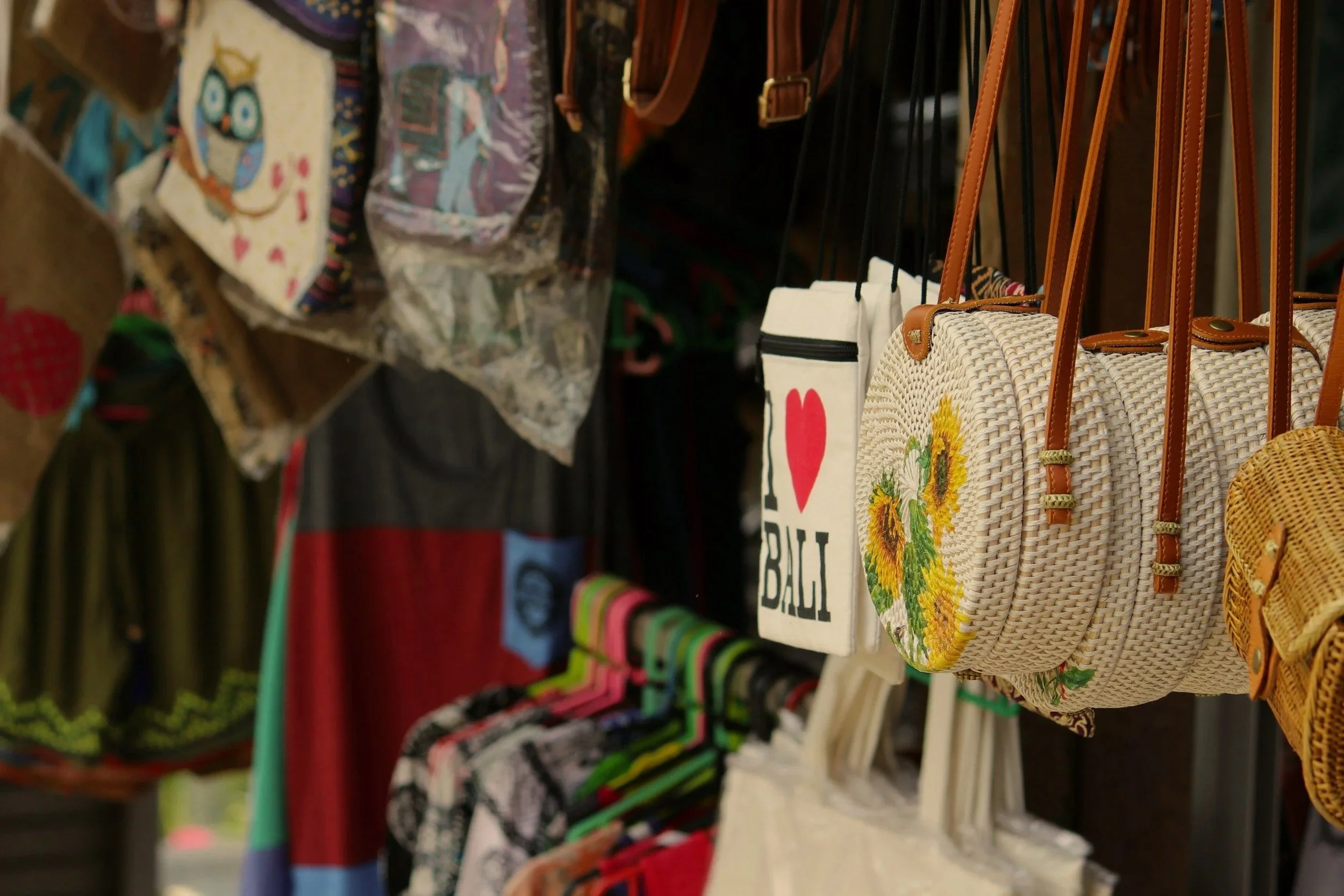
While Bali is famous for its craftsmanship, it's also an important business hub. Many international buyers discover products here before sourcing directly from manufacturers across Indonesia.
Bali has its own crafts, especially in weaving traditions. However, when it comes to production at scale, Bali is better as an area to find design studios, or for finishing and showcasing goods. Going further afield will help you keep your costs low, but having a showroom here will allow you to introduce your products to international buyers who land in Bali first.
Need Help?
Finding your products is just the start of your journey. Once you’ve done that, you’ll need to open a PT PMA and get your licenses. We cover more about what you need to know when it comes to exporting and importing goods in this article. If you need advice with setting up your PT PMA or understanding more about this process, don’t hesitate to reach out to us. We are Bali Solve, a business consulting and visa agency based in Pererenan, Canggu. While we don't process import/export licenses directly, we can help you understand the company setup and compliance side before you build a business plan around it. Reach out to us via WhatsApp or drop by our office, and let’s get your product out there together.
Frequently Asked Questions
Q: Where is most Indonesian furniture made?
A: The main hub is Jepara in Central Java, known as ‘The Carving City,’ with hundreds of workshops ranging from family carvers to export factories. Bali acts more as a showroom and export gateway than a production centre.
Q: Is it cheaper to buy directly from a production region instead of Bali?
A: Often, yes, and plenty of buyers do exactly that. Just remember that regional workshops may have anyone there who speaks English. Translation, quality control and export handling are some of the benefits of using a Bali based intermediary, so factor that into your comparison.
Q: Can I start importing or exporting once my PT PMA is set up?
A: Not quite, as company setup and the right KBLI code are only step one. You'll still need your API status activated through OSS, plus the correct HS codes and permits, and importers must report monthly through INSW even with zero activity. If you want to know more, read this article.
Q: Is palm oil a good business for a small trader?
A: Palm oil is one of the most heavily regulated and scrutinised commodities in the world, with strict certification and due diligence requirements, especially if you plan on exporting to the EU. It's not a category to enter casually or without proper support.
Written by Bali Solve Team
15 July 2026