What Is Living in Bali Really Like? Pros and Cons to Think About Before You Move
For many people, moving to Bali starts as a holiday that never ends. Still, everyday life is a little different from a short trip, and like everywhere in the world, there are upsides and downsides.

Living in Bali may look like a never-ending holiday, but everyday life comes with its own realities.
Bali obviously has a lot going for it, but it’s also dealing with growing pains. So if you’re looking for a more realistic view than the rose-tinted one you see on Instagram, let’s get into the pros and cons of living in Bali.
For our readers who are short on time
Bali is one of the world’s best wellness hubs with endless dining options, incredible villas, sunshine all year round and relatively low company tax for smaller businesses. On the other hand, air pollution from waste burning, overdevelopment, patchy infrastructure, expensive imported goods and frequent rule changes are some of the challenges you might face living here. For many people, these things aren’t deal-breakers but something to be aware of.
Warm People vs Connectivity
Pro: One of the things many foreign residents say they love most about living in Bali is the people. Balinese and Indonesians are generally warm, generous and smiley. Strong family and community ties play a huge role in everyday life, and that sense of community is something that makes the island really special.

Bali’s warmth goes beyond its tropical climate. Strong community ties and everyday kindness are part of what makes life here special.
Con: While the locals and more settled expats are lovely, building lasting connections with other foreigners can sometimes be more difficult, as many people lead transient lives and eventually move on. On top of that, Bali welcomed a record 6.95 million direct foreign arrivals in 2025, up almost 10% on 2024, according to BPS Bali, meaning the roads are under pressure. Most roads in Bali are narrow, pavements are very limited and often full of holes or uneven surfaces, making walking difficult. Some areas also flood quickly during the rainy season when drainage can’t cope. If you want to know more about getting around, have a read of How Bad is Bali's Traffic?
Wellness vs Pollution
Pro: There really are few places in the world that can match Bali for wellness. Spas, yoga studios, breathwork classes and ice baths are everywhere, and many gyms have grown into full wellness centres offering everything from weightlifting to recovery under one roof. If you’re into wellness, this isn’t just a nice bonus, but one of the main reasons to be here. On a social level, it’s so easy to surround yourself with people who care about their health, and when it comes to healthy eating, you can get calorie-counted meals with macros tracked delivered straight to your door.
Con: Unfortunately, the air isn't always clean. Since April 2026, Suwung, Bali's largest landfill, has restricted the waste it accepts ahead of its planned closure, and this disruption to rubbish collection has led more people to burn their waste, often including plastic. If it happens near your home, you should keep the windows shut and get a good air purifier. The local government is working on long-term solutions, including a new waste-to-energy plant (you can read more in our article Bali's New Waste Plant and Financial Centre: What's Behind It).
Dining Out vs Imported Goods
Pro: Even at Bali's nicer restaurants, eating out is much cheaper than in Europe. Quality tends to be high whether you're eating at local restaurants (warungs) or somewhere with a tasting menu, and people find they eat out far more often here than they ever did at home.
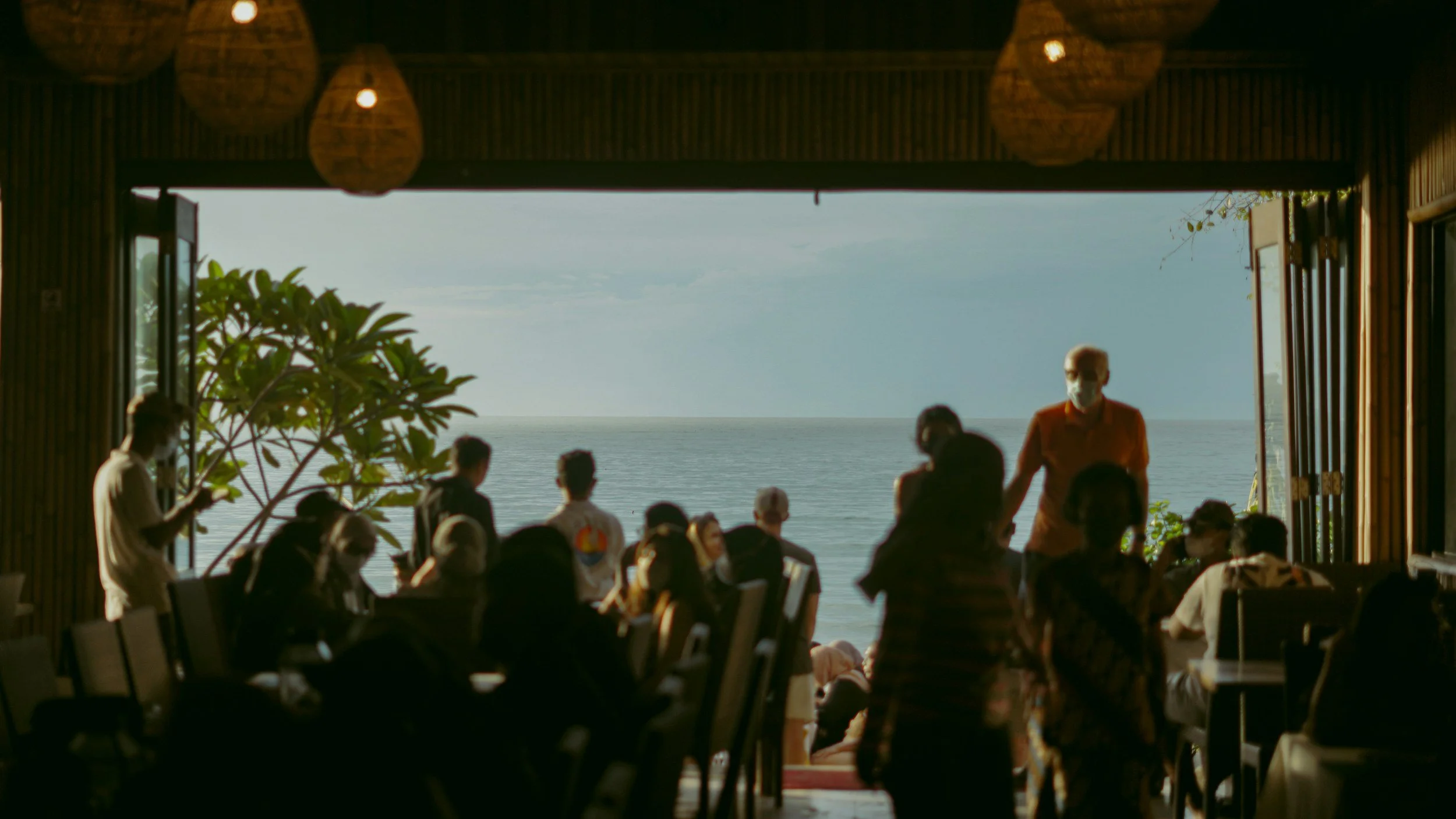
From local warungs to stylish brunch spots, Bali offers an incredible range of dining experiences for every taste.
Con: Getting imported wine, cheese, dairy and branded snacks can cost a lot more than at home because of import duties and taxes. If you’re on a budget, going to local markets and shopping where locals do is your best bet for saving money.
Villa Living vs Overdevelopment
Pro: In Bali, it’s still possible to rent a villa with your own pool for the price you’d pay for a small apartment in many European cities. In more popular areas, rental prices have risen, but villa living remains one of the best perks of island life.
Con: The rice field views around you may not last. Building rules exist but haven't always been enforced, and according to BPS (Badan Pusat Statistik, Statistics Indonesia), Bali's rice fields shrank from 70,996 hectares in 2019 to 64,474 hectares in 2024, a loss of more than 6,500 hectares (detikBali). If you're thinking of buying or building, have the land's zoning and permits checked by a professional, as building on protected agricultural land can lead to fines and even demolition.
Sunshine vs Heat
Pro: Bali has a dry season and a rainy season, and even in the rainy months, many days are sunny and hot.
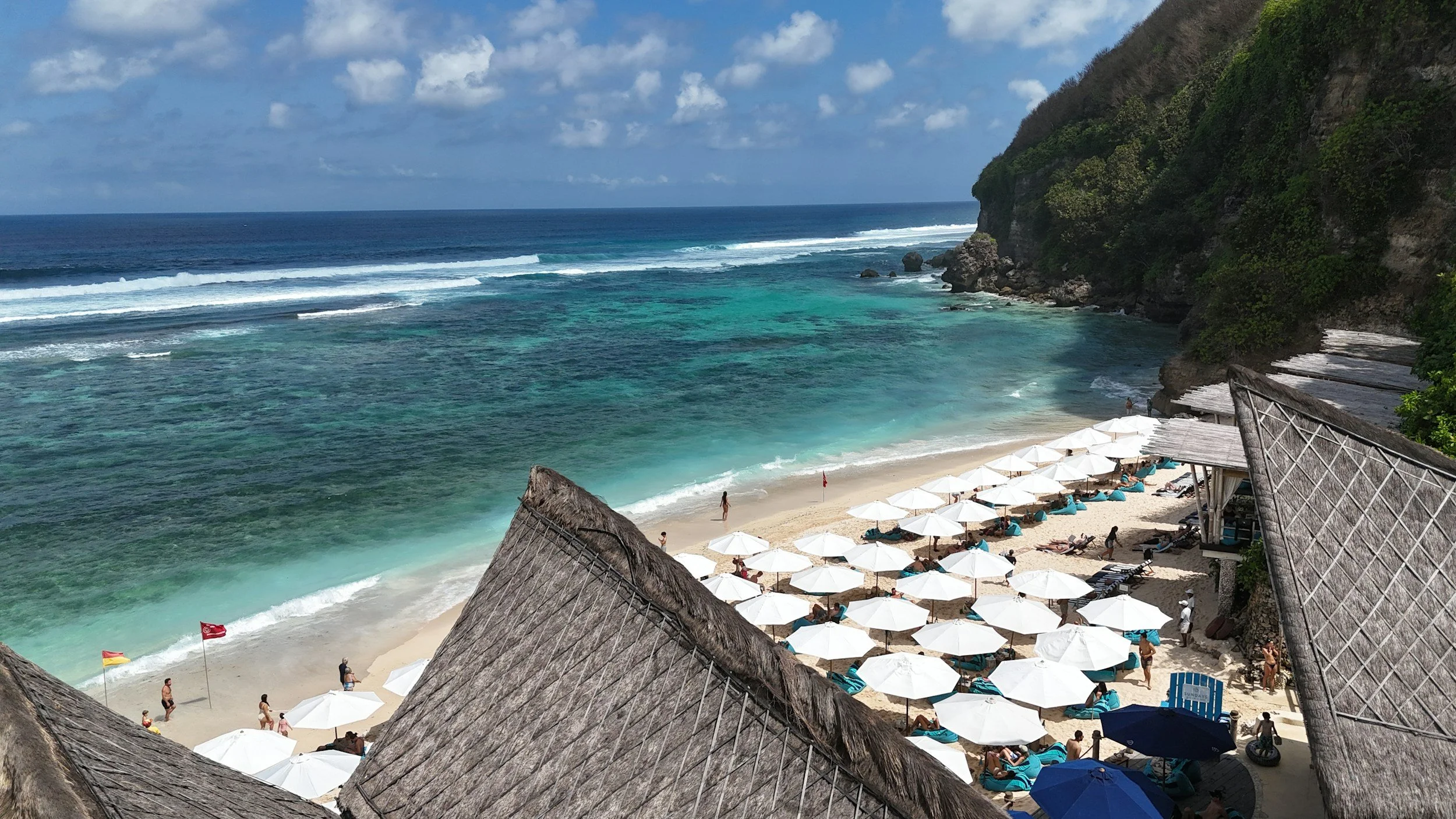
Warm weather and tropical scenery are part of everyday life in Bali, offering plenty of opportunities to enjoy the outdoors.
Con: Surprisingly, the sunshine is both a pro and a con. Temperatures sit around 30°C all year and the humidity can be draining. If you love experiencing different seasons, Bali life might not be for you. You'll likely be running the air conditioning a lot, which adds to your electricity bill, and mold and damp are real problems you have to fight against in the rainy season. When moving somewhere, check for signs of mold, as long-term exposure can affect your health.
Nightlife vs Noise
Pro: Bali's beach clubs are some of the most famous in the world and there's something happening every night of the week. It’s really easy to go out and meet a lot of new people.
Con: In busy areas, there may be music from nearby holiday villas and the occasional fireworks.
World-Class Surf vs Polluted, Crowded Beaches
Pro: Bali is a world-class surf destination with breaks for every level, from beginner-friendly beaches in Canggu and Kuta to famous reefs on the Bukit Peninsula. You also have diving, hiking and volcanoes within a few hours' drive.
Con: The most popular breaks get crowded, especially in peak season, so you’ll normally be sharing the waves. During the rainy season, rivers also wash large amounts of rubbish onto beaches like Kuta, Seminyak and Canggu.
Rich Local Culture vs Limited Arts Scene
Pro: Balinese culture is woven into everyday life here, from daily offerings and temple ceremonies to traditional dance and festivals like Galungan and Nyepi (the Day of Silence). The culture here is both fascinating and unique.

Daily offerings, temple ceremonies and traditional festivals make Balinese culture an integral part of life on the island.
Con: If you love theatre, museums or big exhibitions, the options are more limited than in big cities. More international musicians are now including Bali on their tours, but for a major stage production or gallery show, you'll probably need to travel to Jakarta or Singapore.
Low Tax vs Changing Rules
Pro: Indonesia offers a competitive tax environment for businesses and investors. The standard Corporate Income Tax (CIT) rate is 22%. However, eligible businesses with an annual turnover of up to IDR 4.8 billion may qualify for certain tax incentives, including a 50% reduction in the corporate income tax rate on qualifying taxable income, potentially resulting in an effective rate of 11%. This can help reduce the overall tax burden and support business growth, particularly for small and developing enterprises.
In addition, Indonesia offers attractive dividend taxation opportunities, subject to applicable tax regulations and eligibility requirements. Dividends distributed to shareholders may be subject to a Final Tax 10% withholding tax in certain circumstances, while dividend tax rates in some European countries can reach 30-35%, depending on the jurisdiction and the shareholder's tax status.
Con: Indonesia's regulations are evolving quickly as the government modernises its systems. It pays to stay up to date and keep your paperwork in order, as what was accepted last year, or just a few months ago, might not be accepted today.
Getting Help vs Local Costs
Pro: Having a nanny, cleaner, gardener or cook is far more common and affordable than in many other countries. If you do get hired help, pay a fair wage and register staff for BPJS (social security) so that you contribute positively to the local economy.
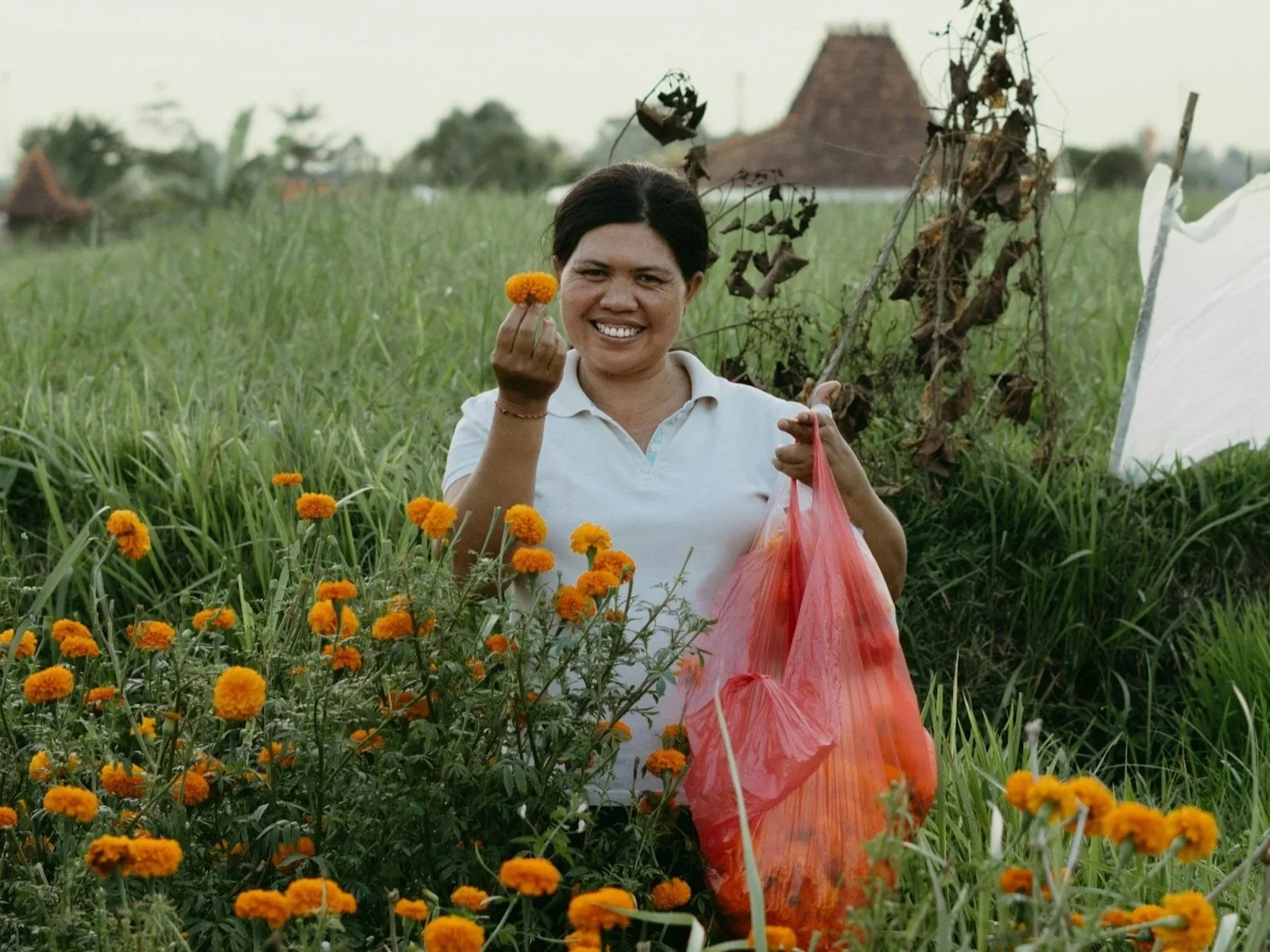
Household support can make daily life more convenient. Fair wages and appropriate social security registration are important parts of responsible employment.
Con: In areas popular with foreigners, wages for household staff have risen, which is good news for workers but has made help harder to afford for some Indonesian families.
Need Help?
If you're planning a move to Bali and need help with getting a visa, KITAS, setting up a company or understanding your tax obligations, we'd be happy to help. We are Bali Solve, a business consulting and visa agency based in Pererenan, near Canggu. You can reach us via WhatsApp or visit our office in Pererenan to schedule a consultation.
Frequently Asked Questions
Q: Is Bali expensive to live in?
A: It depends on your lifestyle. Eating out, villas and household help are often cheaper than in Europe, but imported goods can cost considerably more.
Q: Why is there so much smoke in Bali?
A: Much of it comes from waste burning, which increased after Suwung, Bali's largest landfill, began restricting organic waste in April 2026.
Q: What is the corporate tax rate in Indonesia?
A: The standard rate is 22%, but smaller companies can pay an effective rate of around 11% on profit linked to their first IDR 4.8 billion of turnover.
Q: Which areas of Bali are quieter for families?
A: Quieter areas tend to be further from the main beach clubs and nightlife. It's worth spending a few nights in a neighbourhood, including a weekend, before committing to a long lease.
Written by Bali Solve Team
16 October 2026