Bali’s New Waste Plant and Financial Centre: What’s Behind It
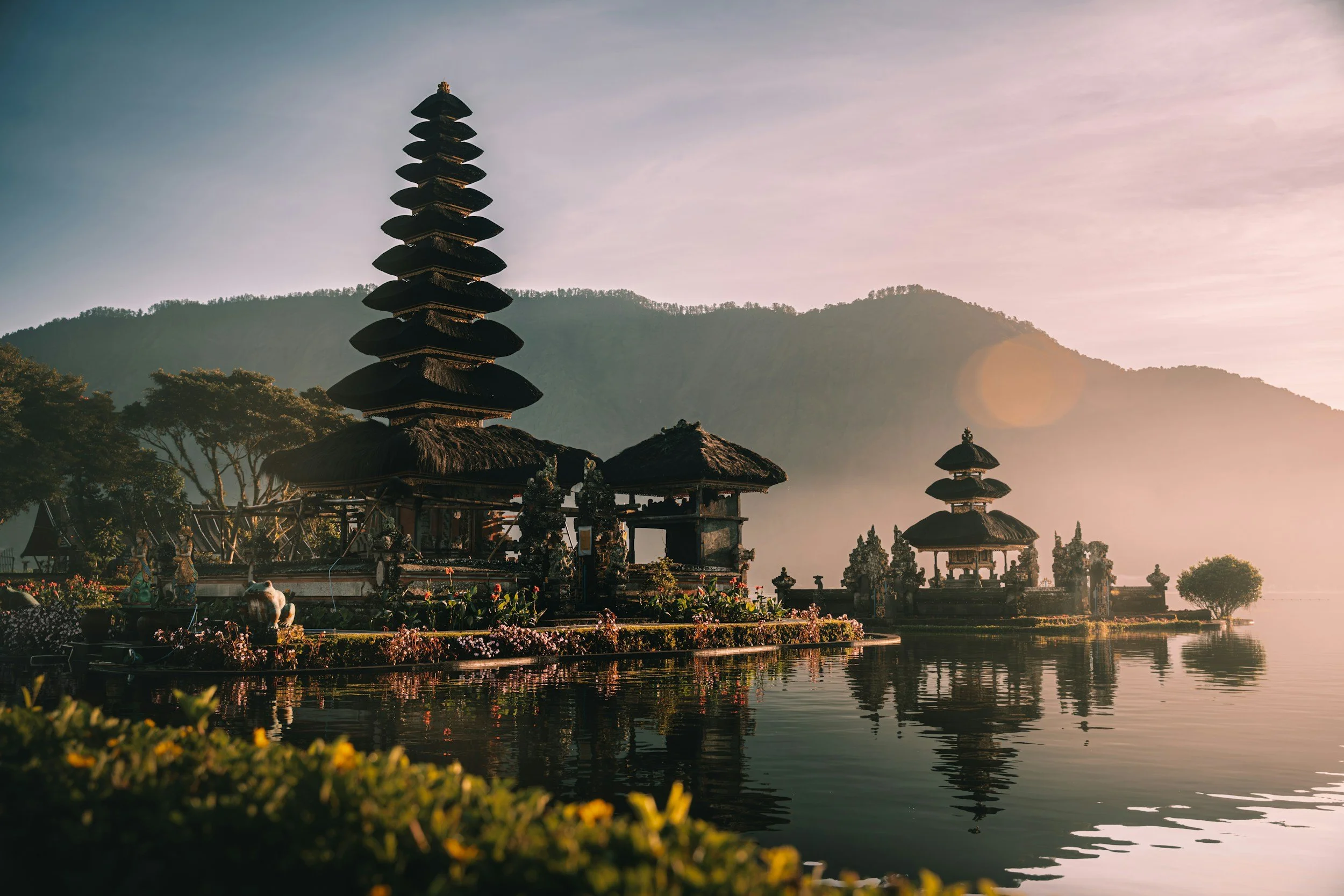
Danantara is backing two major projects that could reshape Bali's future, from solving the island's waste problem to creating an international financial centre designed to attract global investors.
This week Danantara has been popping up in headlines across Indonesia. If you're not sure what Danantara is, it's Indonesia's sovereign wealth fund. In plain terms, that means it’s a large pool of state money that gets invested into major national projects, and it’s a force which is looking likely to impact Bali's future. In this article, we'll explore two projects that Danantara is behind in Bali, and how they’ll change things going ahead.
A quick answer if you're short on time: Danantara is behind two major Bali projects. The first is a large waste-to-energy plant (PSEL) in Denpasar, and construction started in July 2026. The second is a proposed international financial centre for Bali that’s modelled on Dubai, which just passed the House of Representatives. At the same time, Bali has been closing the door on smaller foreign-owned businesses, a contrast which is worth looking at if you plan on living or investing here.
What is Danantara?
Danantara Indonesia was set up in February 2025, absorbing parts of the Ministry of State-Owned Enterprises. It is led by CEO Rosan Roeslani and manages a whopping $900 billion in assets, making it one of the largest sovereign wealth funds in the world. As a state vehicle, its job is to channel investment into national priority projects, and waste management and the new financial centre both fall under that umbrella.
The Waste-to-Energy Plant (PSEL) in Denpasar
One of the latest projects Danantara has started is a Waste to Energy Plant (PSEL). Construction started on the 8th July 2026 for the Rp. 3 trillion (roughly $187 million) project in Pedungan Village, South Denpasar, according to ANTARA News.
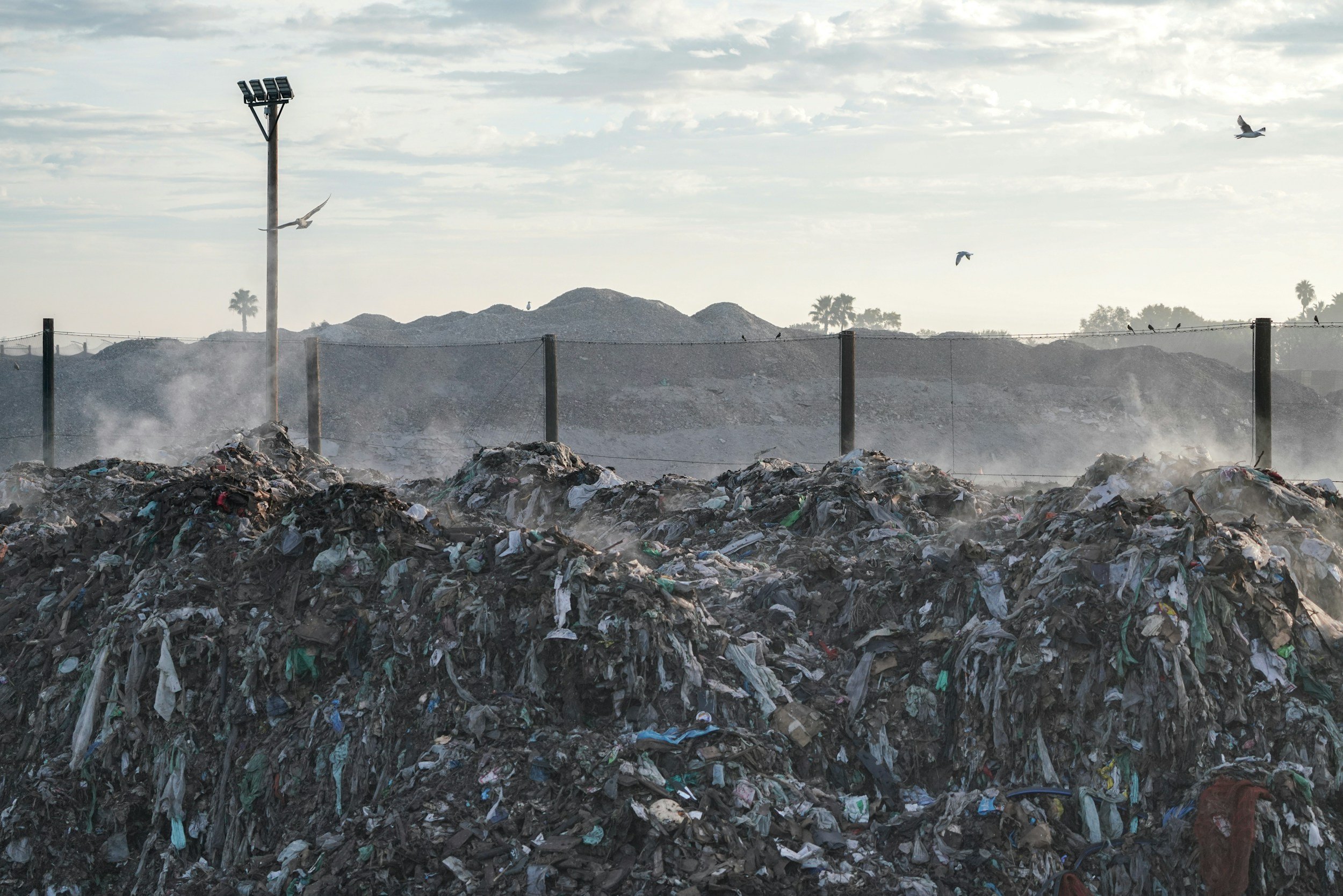
Construction began in July 2026, with the plant expected to process 1,500 tonnes of waste daily and power around 100,000 homes.
Once running, it's designed to process around 1,500 tonnes of waste a day. This should cover processing for over 40 percent of Bali's total waste and generate enough electricity for roughly 100,000 homes. It’s expected to be ready by early 2028 and as the The Bali Sun notes, this project is being built as a means of replacing Bali’s biggest landfill, TPA Suwung, which is currently at its limits in terms of capacity.
According to local sources, individual village incinerators will eventually be phased out within 6-9 months once the Danantara-backed plant is running, with villages shifting toward a sorting and composting role instead.
The International Financial Centre Planned for Bali
The second project is going to be even bigger than the PSEL, but it currently only exists on paper. On the 21st of July 2026, the House of Representatives passed a bill for the Pusat Finansial Internasional Indonesia (PFII). The PFII will be an international hub that will initially open in Jakarta, and then in Bali, according to VOI. Danantara's COO has stated that the project will be something similar to Dubai's financial centre which is home to over 50,000 finance professionals.
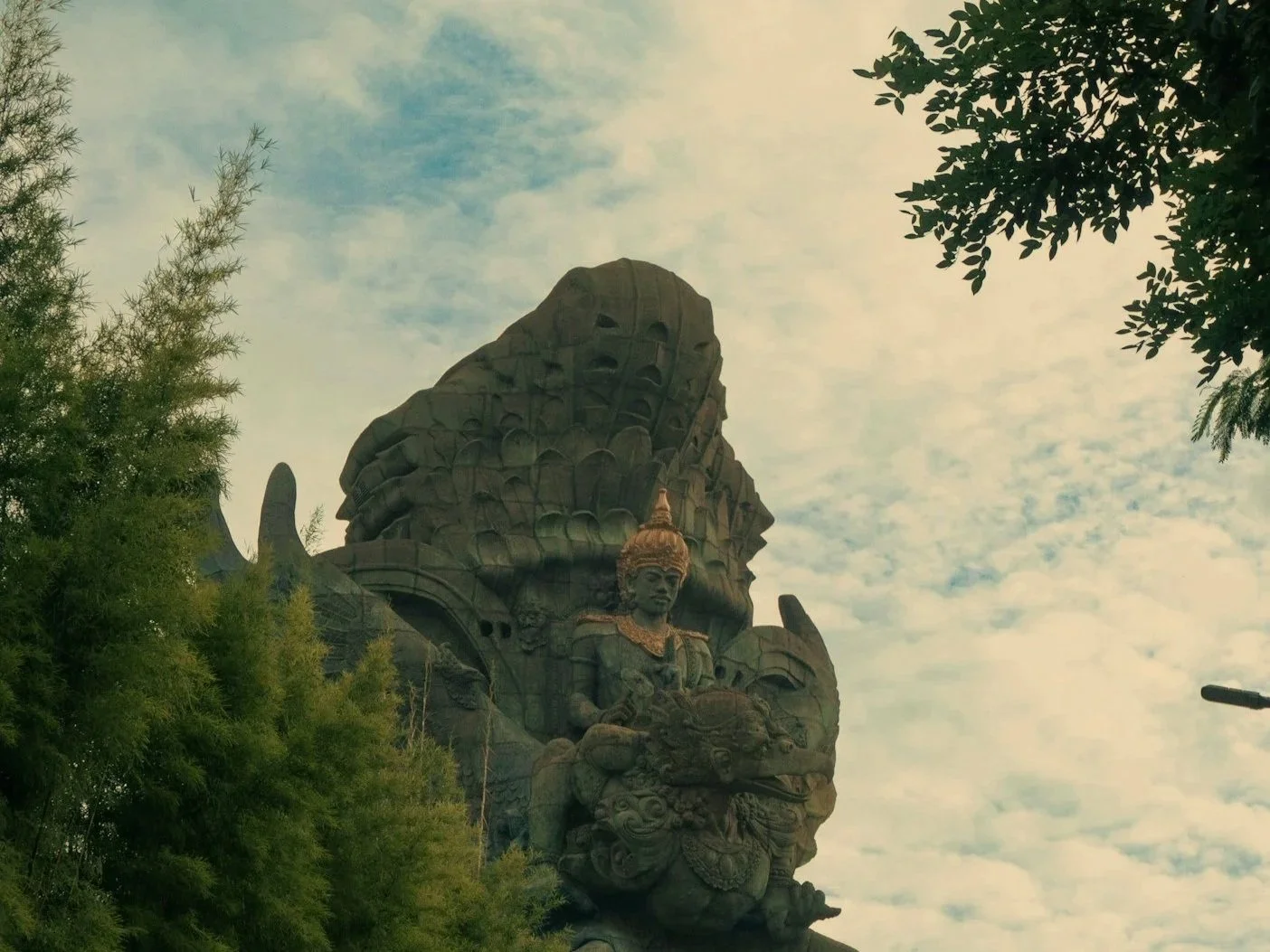
Indonesia plans to develop an international financial centre inspired by Dubai, with Bali identified as one of the future locations under the new legislation.
This would be a legislated zone with its own governance, including a council reporting directly to the president and a dedicated commercial court. An important aspect of this is that the legislation would include a zero percent tax rate for up to 50 years, aimed at attracting large investors, according to Tempo.
What Foreign Investors Should Consider
If you’re a foreign business owner here, it’s worth considering these factors. While a 50-year tax-free zone is being legislated for multi-billion-dollar international financial hubs, Bali is simultaneously cracking down on lifestyle-scale foreign ventures. Since May 2026, Bali has blocked new PT PMA registrations under low-risk categories like consulting, fitness and retail. Data showed that many of these entities were not running substantive commercial operations, but were instead utilizing corporate licenses primarily as residency vehicles to secure long-term stay permits, according to The Jakarta Post.
It’s not a contradiction as much as a split strategy in how Indonesia treats foreign capital: lifestyle-scale and low-substance foreign operations are being squeezed out, while hyper-scale institutional capital is being courted with some of the most aggressive tax incentives the country has ever designed.
Important Limitations Regarding the "0% Tax" Rule

The proposed financial centre includes tax incentives of up to 50 years, although these benefits will only apply to qualifying investors and strategic industries under future implementing regulations.
According to MUC Consulting, while a 0% tax environment is a headline incentive, the regulation introduces strict boundaries to prevent it from being a blanket or unconditional rule:
1. Not Automatic for Everyone:
The 0% PPh rate is not a blanket exemption for all investors. Entities must meet specific criteria, primarily focused on bringing substantial foreign investment and engaging in strategic financial sectors.
2. Compliance with Global Minimum Tax (GMT):
Multinational corporate groups that fall under the Global Minimum Tax (GMT) framework (15% minimum tax agreed upon by G20/OECD) will still be subject to global minimum tax rules, meaning the 0% rate cannot bypass international tax architecture for qualifying large multinationals.
3. Targeted Sectors Only:
Professional bodies (such as tax consultants) and policymakers have heavily emphasized that these deep tax breaks should be strictly targeted toward high-value strategic sectors (e.g., international banking, asset management, regional treasury centers, carbon trading, fintech, and Islamic finance) rather than broad-spectrum commercial businesses.
4. Pending Technical Government Regulations (PP):
The precise criteria, sector classifications, compliance mechanisms, and exact durations for these tax holidays are designated to be finalized through implementing regulations via Government Regulations (PP).
What's Next?
Right now, the waste plant is a live construction project with a real completion target, while the financial centre is a newly passed law with years to go before anything is built in Bali itself. Both are set to be completed but at very different stages, so treat any specific dates around the financial centre as provisional for now.
Need Help?
If you're trying to work out how any of this affects your own business setup or investment plans in Bali, particularly given the shifting rules around foreign ownership, it's worth getting proper advice. Get in touch with the team at Bali Solve via WhatsApp or drop by our office in Pererenan, near Canggu, and we'll help you make sense of how your business plan fits into the current Indonesian landscape.
Frequently Asked Questions
Q: Is Danantara a private company or a government fund?
A: It's a government entity, formed by absorbing parts of the Ministry of State-Owned Enterprises, operating under a mandate from the president.
Q: Is the Bali waste-to-energy plant actually being built?
A: Yes. Construction began in July 2026 in Pedungan, South Denpasar, with operations targeted for early 2028.
Q: Will my local village incinerator really shut down once the Denpasar facility opens?
A: We haven't been able to confirm the specific six-to-nine-month timeline being shared locally through any national news source, so treat it as unverified for now.
Q: Is Bali actually getting a financial centre building, or is that just a figure of speech?
A: It's a literal, legislated financial zone. The bill passed the House of Representatives in July 2026, though construction in Bali itself is still years away.
Written by Bali Solve Team
4th August 2026