Relocating to Bali With Your Family in 2026

For many families, relocating to Bali is about more than a change of scenery. The island offers a combination of tropical nature, a relaxed lifestyle and a family-friendly environment that can make everyday life feel very different.
For parents and families, coming to Bali and seeing the nature, laidback lifestyle and family-friendly atmosphere is somewhat a revelation: that Bali might be a great place to relocate to. If you're considering a move here, you might be wondering what that might look like in terms of budgeting, healthcare, schooling and leisure. Let’s explore what you need to know as a family moving to Bali in 2026.
A quick answer if you're short on time: Bali has plenty of international schools, ranging from established names like Green School and Canggu Community School to newer, smaller options like Sun School Bali. Most families arrive on a C1 Visit Visa for tourism to try things out before fully committing. From there, you can transition to a Remote Worker KITAS (E33G), Investor KITAS (E28A) or a Working KITAS (E23A), depending on how you plan to sustain yourself financially, and sponsor your spouse and children under a Dependent KITAS. A budget of $3,000-6,000 a month for a family of four is sufficient for most families, but this is without school fees, which can range from around $5000-$20,000 per child per year depending on the school.
Choosing a School
Bali's international school currently has a good mix of options. The better known ones include Green School Bali (Sibang Kaja) which is internationally recognized for its bamboo campus and sustainability focus. Canggu Community School in Berawa is a great choice for families in Canggu, running from Early Years up to the IB Diploma. Bali Island School in Sanur has been running an IB programme since 1986, and AIS Indonesia - Bali blends the Australian curriculum with an IB Diploma for older students.
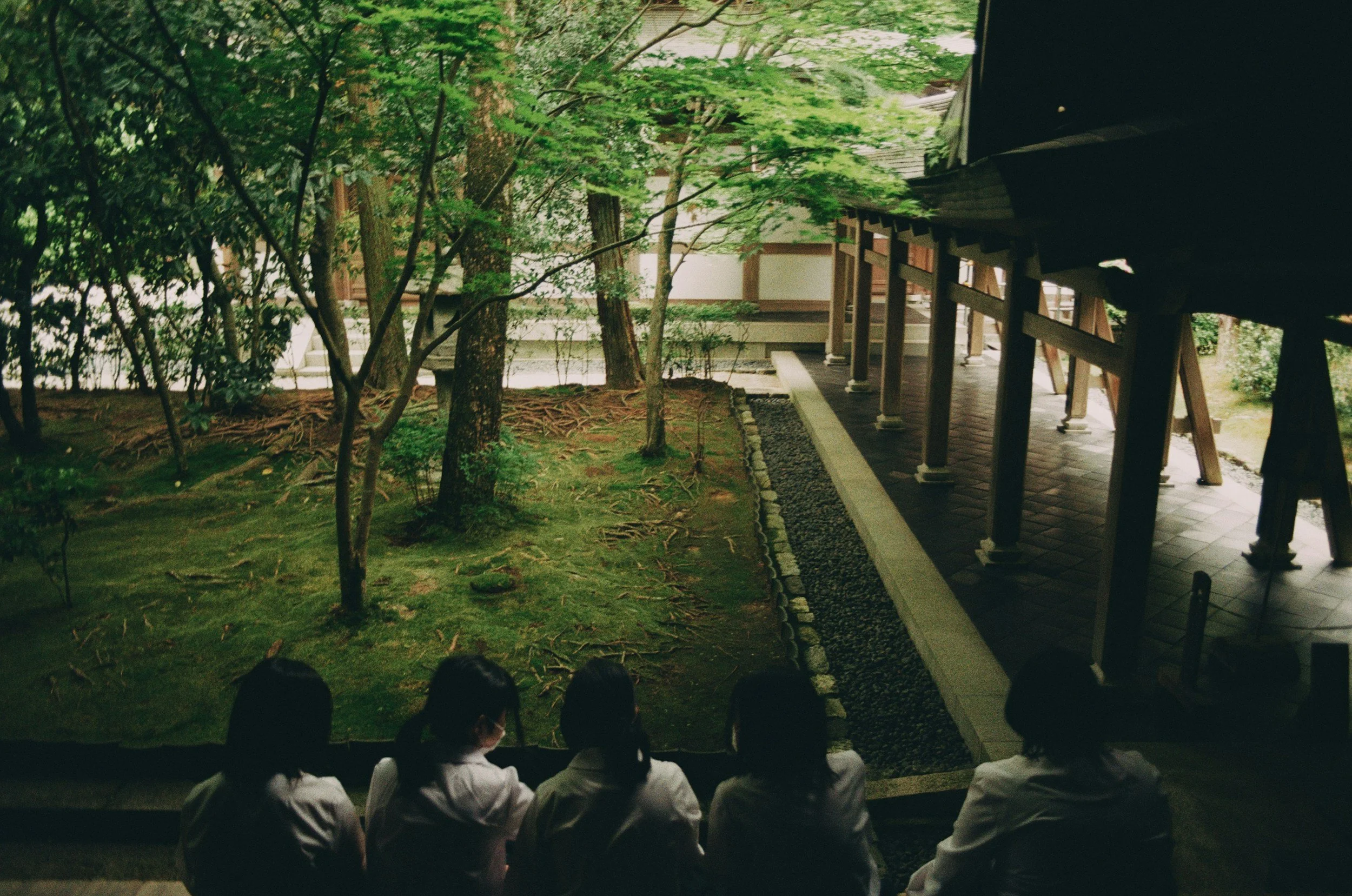
Bali offers a growing range of international schools, with options to suit different locations, budgets and learning needs.
On the newer side, there is also Sun School Bali, based near Kaba-Kaba close to Seseh. It’s a small, Waldorf-inspired school for ages 4 to 12 that leans heavily into nature focused emotionally-led learning. SLK (Sekolah Lentera Kasih) & Lollypop Preschool in Kerobokan offers the Cambridge curriculum with a Christian ethos and has been running for over 20 years. Grow in Kedungu is a British-curriculum option blending Cambridge-style learning with hands-on, garden-based elements, and Sekolah Stella Mundi is another popular Cambridge school with small class sizes.
As you can see, the one that is right for your family really depends on your location, budget and also whether you prefer your children to study in a more alternative or traditional atmosphere.
Kid-Friendly Activities in Bali
Most restaurants in Bali are very family friendly, as Balinese people tend to welcome those with children warmly. However, there are also places with dedicated playgrounds, such as Milk & Madu in Berawa. Parklife Bali and Dolan Restaurant & Park have large outdoor play areas set among greenery, while Mai Main Playground combines indoor and outdoor play with a pool and a mini farm. For something bigger, AeroXSpace Adventure recently opened in Sanur as the island's largest indoor adventure park, with climbing walls, trampolines and a toddler zone. Another cafe with a playground is Village in Tumbukbayuh. The good news is that if you live in a more populated area, it’s never that difficult to find somewhere for the kids to run around.
Besides playgrounds, there are zoos and safari parks to visit for day trips, such as Bali Zoo and Taman Safari. For a free day out, the beach is a popular spot, but just be careful of waves and strong currents as Bali’s sea tends to be unpredictable and wavy.
Visas
If you haven’t stayed in Bali for a long time and want to try it out, the C1 Visit Visa for tourism is usually the smartest starting point. It grants 60 days on arrival and can be extended twice more in 60-day blocks, for a total of 180 days, although it is only single-entry. That means if you have to leave, you’ll need to get a completely new visa. However, it is the most economical option and gives your family a good amount of time to test whether Bali suits you before committing longer-term. Note: Each extension requires an in-person biometrics appointment for every family member at local immigration.

For families who are still deciding whether Bali is the right long-term destination, starting with a visit visa can provide time to experience everyday life before making a longer-term commitment.
Once you decide to stay long-term, the Remote Worker KITAS (E33G), typically applied for by the primary earner, is the most popular route for remote-working families. This one-year stay permit requires a full-time employment contract with an overseas company that permits remote work. Applicants must also demonstrate a monthly salary of at least $5,000 paid by their employer into a personal bank account over the past 12 months. Once granted, the KITAS holder can sponsor their spouse and children under a Dependent KITAS, provided the parents hold a valid civil marriage certificate. Please note that under Indonesian law, unmarried couples with children cannot be sponsored under a Dependent KITAS.
If you’ve been offered a job locally, then you will need a Working KITAS instead, which also allows you to sponsor your spouse and children as dependents. You need a sponsoring employer to get this visa and can’t apply for it yourself.
Budgeting
A comfortable monthly budget for a family of four in 2026 typically lands between $3,000 to $6,000 without school fees. For a three-bedroom villa with a pool, you’ll need somewhere between $1200 to $2500 a month, although costs depend on the area. Of course, it’s possible to get something smaller or cheaper in local neighbourhoods. Generally, it’s cheaper in areas like Sanur or Kaba Kaba and more expensive in Canggu or Uluwatu. On top of that, expect to spend around $600-$1,500 for food and dining, $200-600 for transport (depending on if you use a scooter or car/driver), and $200-700 for family health insurance. When it comes to activities and clothing, it really depends on your tastes and preferences.
School Fees
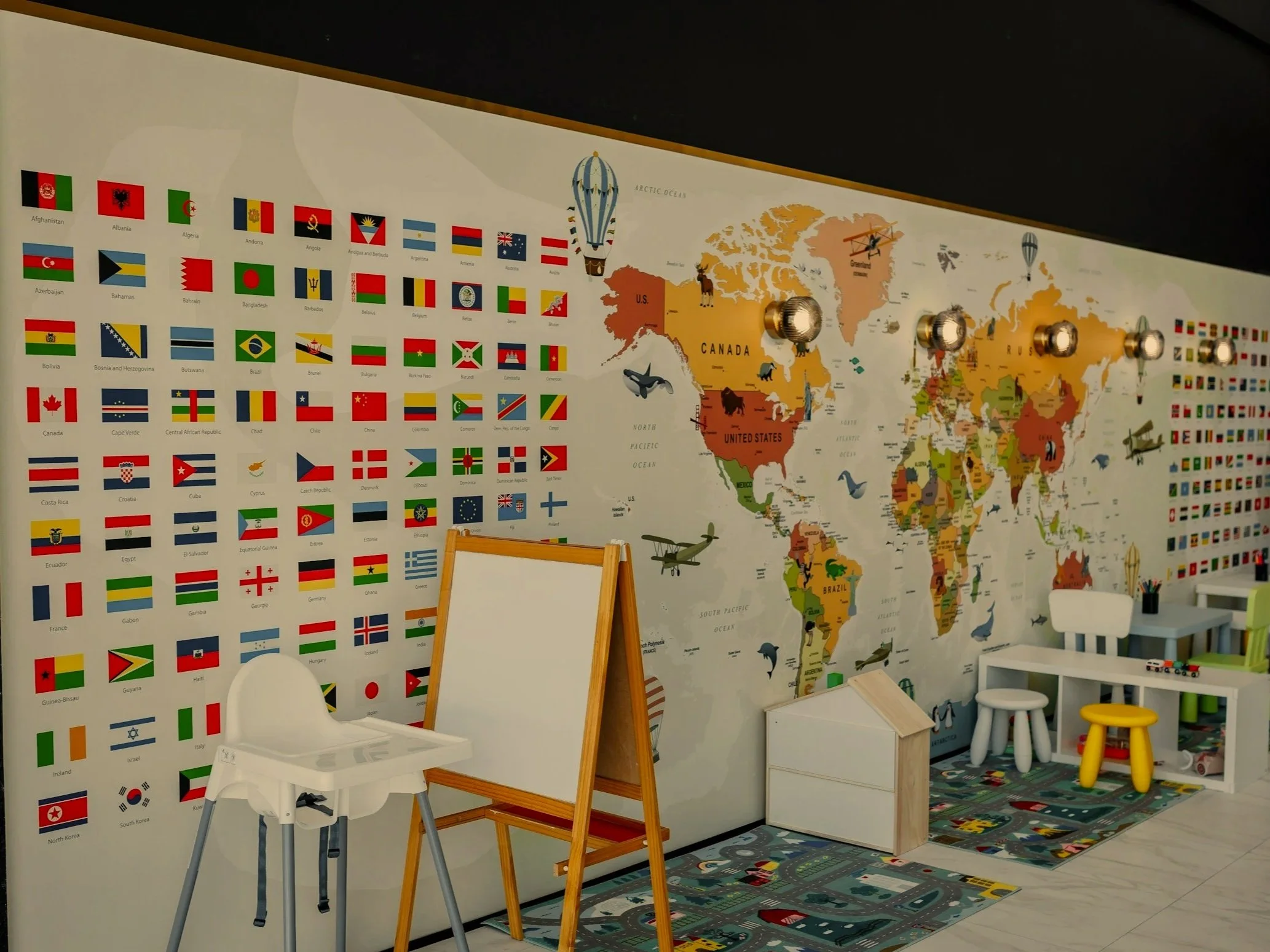
International school fees vary by school and year group, so families should also consider admission fees, levies and other additional costs.
School fees really depend on which school your child attends. Here are the fees from 2025/26–2026/27 from some of Bali’s most established schools:
Green School Bali: annual tuition runs from IDR 177.8 million (Early Years) to IDR 319 million (Grades 11–12), roughly USD 11,000 to 20,000, plus a one-time IDR 40 million admission fee per child.
Canggu Community School: tuition ranges from IDR 110 million (Early Years) to IDR 257 million (IB Diploma), roughly USD 6,900 to 16,100, with an additional annual Capital Levy of IDR 21.5–26 million and a Materials Levy on top.
Bali Island School: total school fees (tuition plus Capital Levy) range from IDR 76.8 million for half-day preschool to IDR 330 million for Grades 11–12, roughly USD 4,800 to 20,600.
Smaller, newer schools are often a lot lower, so if your budget doesn’t account for these kinds of prices, it’s recommended to explore those as a starting point.
Need Help?
If you need help moving your family to Bali, we’re more than happy to offer guidance. We are Bali Solve, a business consulting and visa agency in Pererenan, Canggu, that has helped plenty of families to start living a whole new life in Bali. Simply reach out to us for assistance with visas, setting up a company or getting a driving license, and one of our friendly experts can help you today.
Frequently Asked Questions
Q: Do we need to commit to a KITAS straight away?
A: No. Many families start on a C1 Visit Visa for tourism to see how Bali fits their lifestyle before committing to a longer-term visa.
Q: Can both parents work remotely on one Remote Worker KITAS?
A: Only the primary applicant needs to meet the income and employment requirements. Once granted, they can sponsor their spouse and children under a Dependent KITAS, provided the parents are legally married.
Q: How far in advance should we apply to schools in Bali?
A: Most established schools recommend applying 6–9 months ahead, particularly for popular year groups, as places can fill quickly.
Q: Are school fees the biggest cost of relocating with kids?
A: Often, yes. School fees can rival or exceed rent as the largest single monthly cost.
Written by Bali Solve Team
20th August 2026