All About the Different Districts in Bali (and Why Your Address Matters)
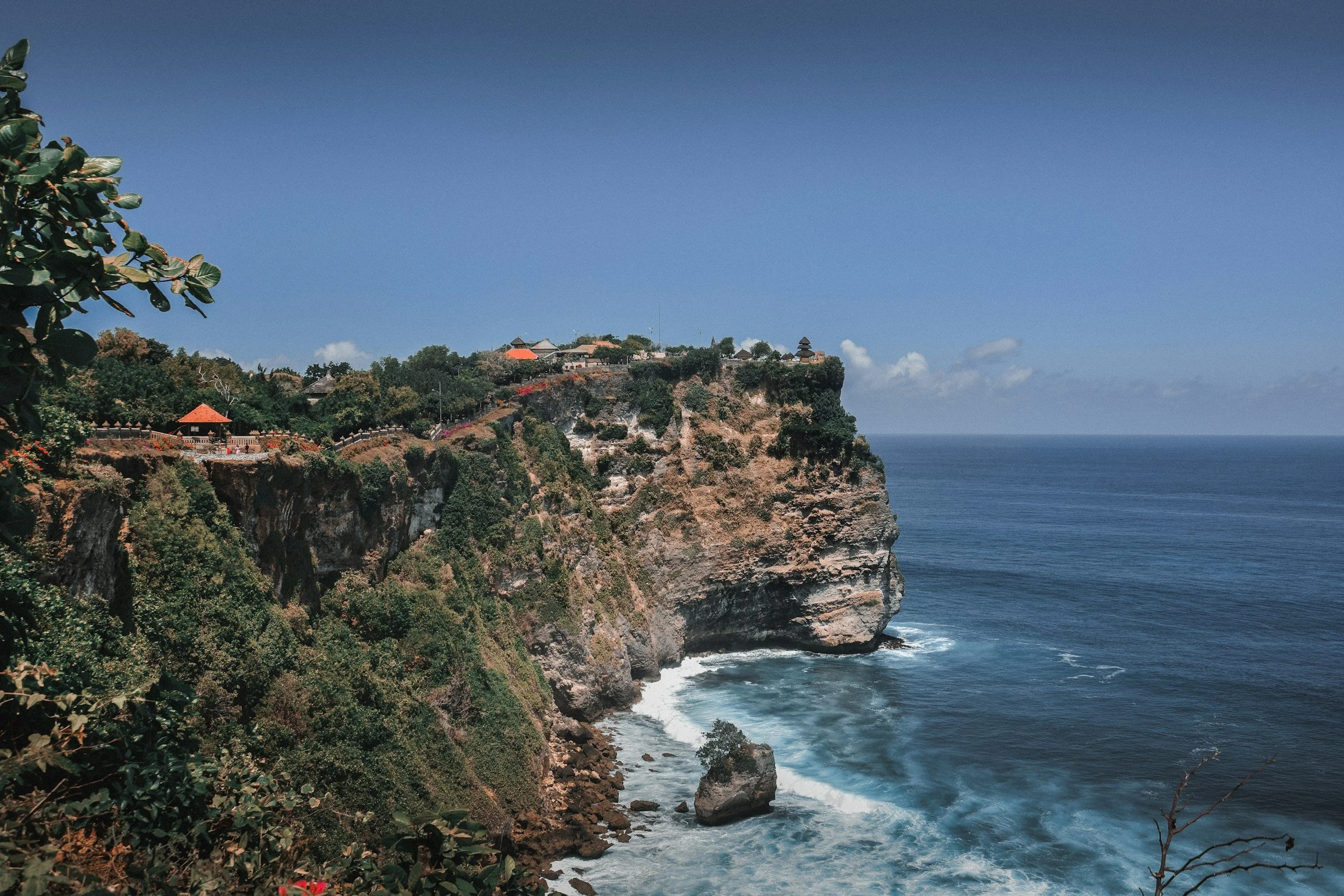
From tropical beaches to misty mountains, Bali’s landscapes change dramatically from one region to another.
One of the most surprising things for new visitors travelling all around Bali is the huge diversity in landscapes and climates across the island which range from white sand beaches, rocky cliffs, rice fields, dense forests and jungles to volcanoes, lakes and misty mountains. And actually, Bali is divided into distinct administrative regions too, each of which has its own character and government offices. There are eight regencies, and in this article, we’ll discover a bit more about each one and tell you what you need to know about local addresses and the immigration office you need to visit when getting your Bali visa, based on where you live.
Bali’s Regencies
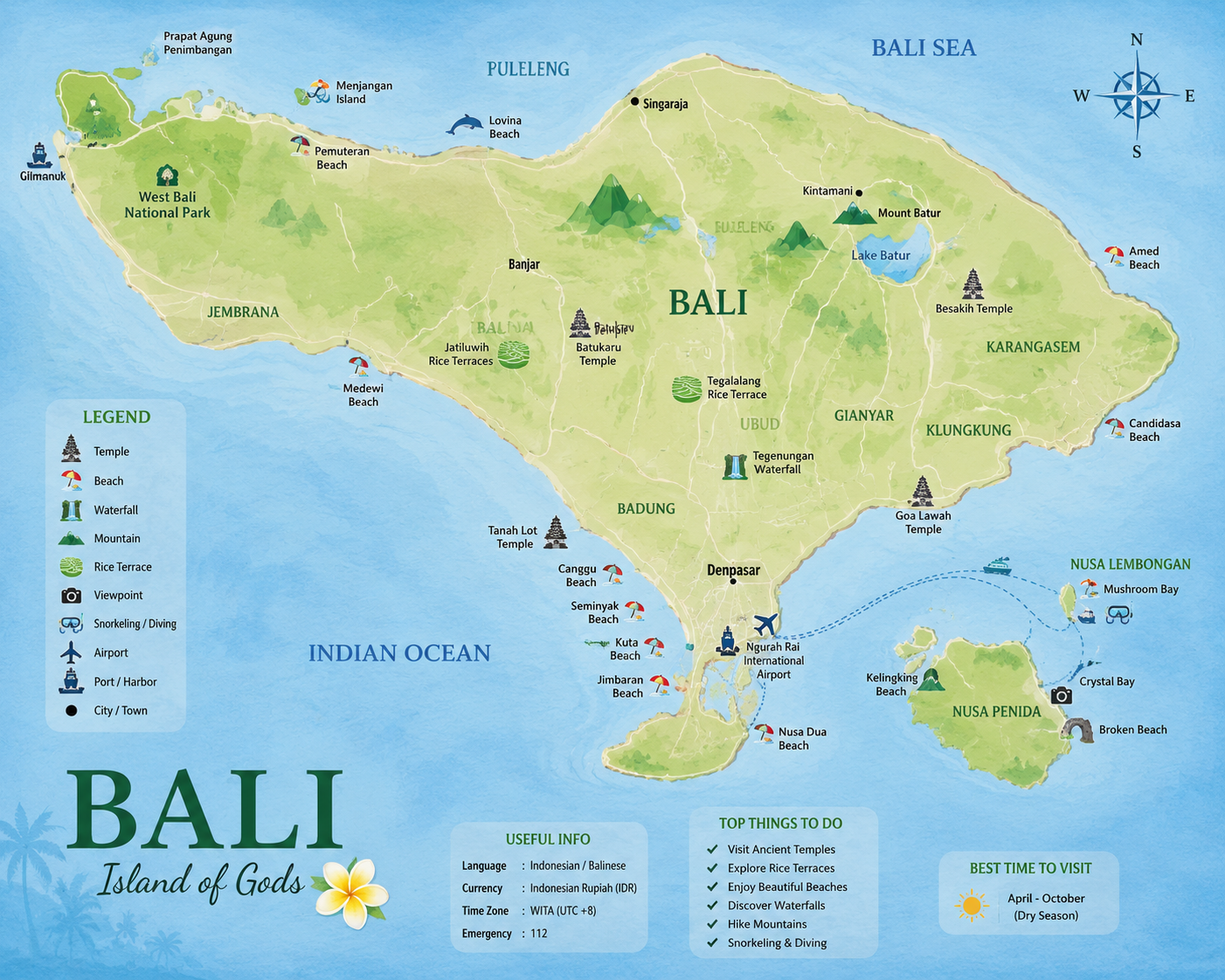
Bali is divided into eight regencies and one city, each with its own geography, communities and administrative offices.
Administratively, Bali is split into eight regencies (kabupaten) plus one city (kota), which is Denpasar, the provincial capital. Each is broken down into districts (kecamatan) and villages (desa). The nine regions are Badung, Denpasar, Gianyar, Klungkung, Bangli, Tabanan, Jembrana, Buleleng and Karangasem. The south is where most visitors end up, while the central highlands are Bali’s cultural heartland and the north and west are much quieter :
Badung : Badung is Bali’s most famous regency, being home to the top tourist hotspots of Kuta, Seminyak, Canggu, Uluwatu, Jimbaran and Nusa Dua, as well as the only airport. It’s a great area to visit for surfing, nightlife and making new friends, but it also has the highest cost of living, and the heaviest traffic on the island.
Denpasar : This regency is home to Bali’s capital and largest city, and where most government offices, hospitals and courts are based. It also includes Sanur, which has calm beaches, high-quality medical facilities and international schools. Feels more local and less touristy than Badung, apart from Sanur's laid-back beach strip.
Gianyar : Home to Ubud and its surrounding areas. Full of rice terraces, art markets, temples and a long-standing wellness and yoga scene that keeps drawing long-term expats away from the beach. You can expect abundant greenery here as well as hidden waterfalls, temples, rivers and towering palm trees. The weather is cooler than in Badung and it’s a great place to learn more about Balinese culture.
Klungkung : While Klungkung is Bali’s smallest mainland regency, it also governs Nusa Penida, Nusa Lembongan and Nusa Ceningan, plus historic sites like the Kertha Gosa pavilion. The islands are relaxed havens with white sand beaches and steep cliffs, while Klungkung on the mainland is famous for Kamasan paintings.
Bangli : The only landlocked regency, centred on the Kintamani highlands and Mount Batur, Bali's most-climbed volcano, with a caldera lake and noticeably cooler air. It’s also famous for coffee and oranges.
Tabanan : Home to Tanah Lot Temple, the UNESCO-listed Jatiluwih rice terraces and the cool, misty area around Lake Bedugul. This is Bali's main agricultural belt and is home to interesting fruits, like the ‘snow fruit,’ found in Bedugul.
Jembrana : West Bali's quiet, agricultural regency. Here you’ll find fewer tourists and famous surf breaks like Medewi. It’s also the main gateway to West Bali National Park and the Java ferry crossing at Gilimanuk.
Buleleng : North Bali and its capital Singaraja. This region has black sand beaches, Lovina's dolphin tours, waterfalls and a less developed pace than the south.
Karangasem : This region is in east Bali and is dominated by Bali’s biggest volcano, Mount Agung. It’s also home to the scuba and free diving spot Amed, as well as the Tirta Gangga water palace and the beautiful coastal town of Candidasa.
As a rough rule, if you’re looking to meet people or hang out at the beaches, go south. If you’re looking for culture, visit the central highlands. If you simply want to get away from the throngs of tourists and get a little peace and quiet whilst discovering the more authentic side of Bali, heading north is the way to go.
Why Your Address Matters for Visas
The address you use on your visa application determines the visa office you need to go to, down to the subdistrict (kecamatan), not just the regency, according to the Directorate General of Immigration.
A general idea of the offices you’ll need to go to according to subdistrict:
Ngurah Rai (Jimbaran): This is for south Badung, including Kuta, Kuta Utara (Canggu, Berawa, Pererenan), Kuta Selatan (Uluwatu, Jimbaran, Nusa Dua)
Denpasar: Denpasar City, Sanur, Gianyar (Ubud), Bangli, plus north Badung, which includes Mengwi, Abiansemal and Petang
Tabanan: Tabanan Regency
Klungkung: Klungkung Regency, including the Nusa Islands
Singaraja: Buleleng, Jembrana, Karangasem for north, west and east Bali addresses
A Canggu address means Ngurah Rai, whereas a Mengwi address (sometimes only a few minutes’ drive away) means Denpasar instead. Walking into whichever office is closest can mean delays or being turned away. Although some areas feel like they are part of Canggu, such as Tumbukbayuh and Dalung, they actually fall under Mengwi and therefore Denpasar's jurisdiction rather than Ngurah Rai's. It's best to check which side of Badung your specific address falls on rather than assuming.
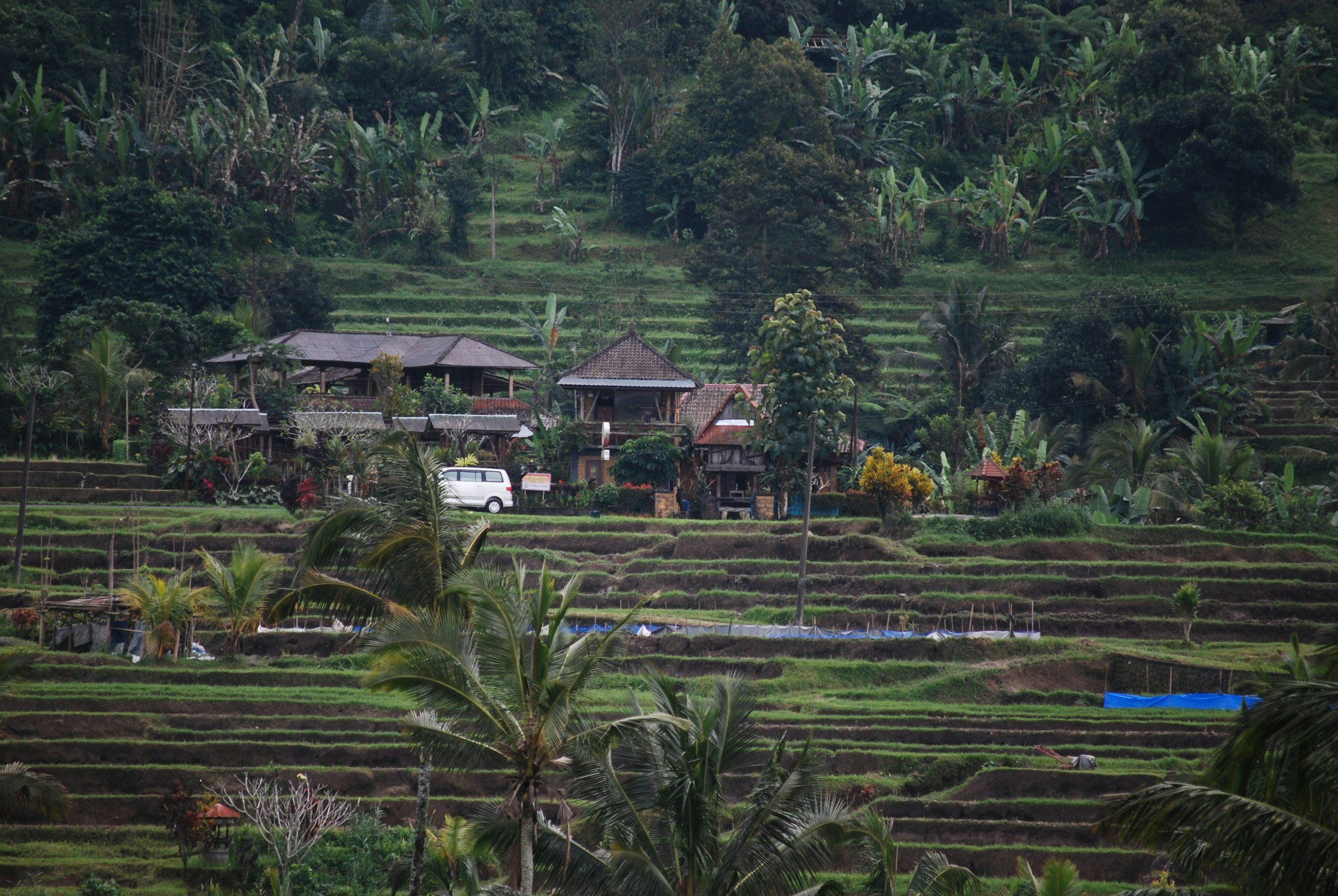
Your registered address can determine which immigration office you need to visit for certain visa procedures.
Tabanan and Klungkung's offices were only opened last year so confirm your assigned office directly with your visa agency.
Note: As of mid-2026, the jurisdiction for Mengwi addresses is scheduled to transfer from the Denpasar Immigration district to the Jimbaran Immigration district. However, this change is not yet fully confirmed. If your visa is registered to an address in Mengwi, please check with your agent to confirm which immigration office currently handles your area.
Bali's Address System
Bali's street addresses aren’t always that precise. In busier tourist areas, addresses are relatively standardized, but in less developed parts of the island, you'll often find streets that have names but no building numbers. You'll also come across the word gang constantly - it means ‘alley’ or ‘lane.’ A gang address might read ‘Gang Sarinande No. 3,’ and where formal numbers are missing, locals and delivery drivers typically rely on the nearest landmark, village name and postcode instead. For anything official, it's worth double-checking your address is written in a way authorities can actually verify.
Need Help?
If you're unsure which immigration office covers your address, or need help making sure your paperwork is accurate, our team at Bali Solve is here to help. We're a business consulting and visa agency based in Pererenan, near Canggu. Contact our office today or simply reach out via WhatsApp and one of our friendly experts will be there to help you.
Frequently Asked Questions
Q: Which immigration office should I use?
A: The one tied to your registered accommodation address, not the one closest to you. Bali has five main offices: Ngurah Rai, Denpasar, Tabanan, Klungkung and Singaraja.
Q: Do Nusa Penida and Nusa Lembongan count as part of Bali?
A: Yes, they fall under Klungkung Regency, including for visa and KITAS purposes.
Q: Do immigration office boundaries ever change?
A: Yes. Tabanan and Klungkung only got their own offices in late 2025, and Mengwi is about to transition to another immigration office as well, so it's worth confirming your office directly rather than assuming last year's information still applies.
Written by Bali Solve Team
21st August 2026