How to Set Up an Import/Export Business in Indonesia
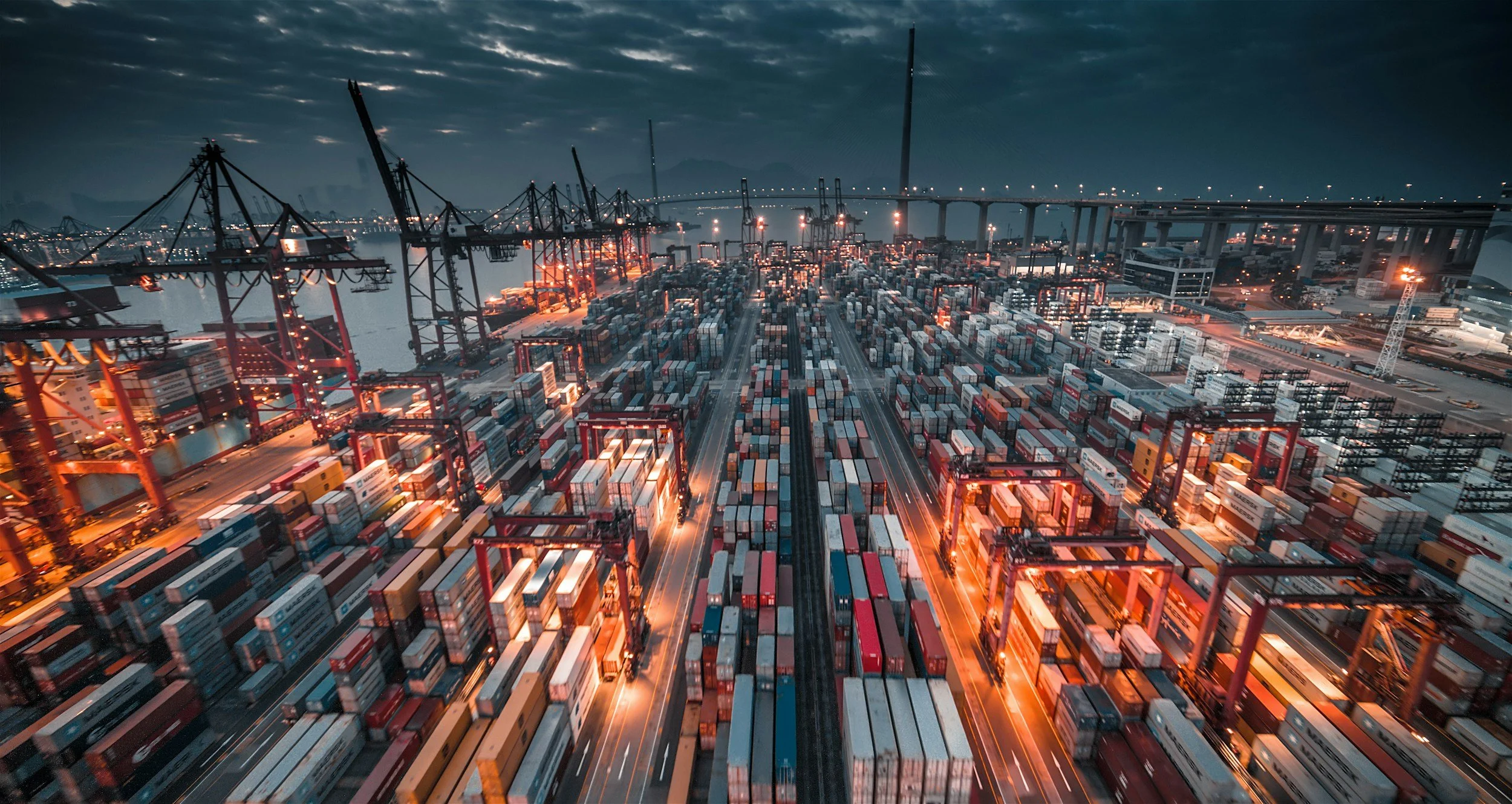
Indonesia offers excellent opportunities for import and export businesses, but success starts with obtaining the right licenses, not just registering a company.
Given the number of unique products, natural resources and thriving industries in Indonesia, it’s not hard to see why plenty of entrepreneurs consider opening an export or import business here. If you’re one of them, you might be wondering just how complicated the process is, so let’s explore the steps you need to take to successfully get your import and export business up and running.
A quick answer if you're short on time: Setting up your PT PMA and choosing the right KBLI (business classification) code is only step one. Importers also need to activate API-P or API-U status (more on that below) through OSS, then sync with INATRADE and get the correct HS Code from Bea Cukai (Customs). Once your import license is active, you must report monthly through INSW, even if you had zero import activity that month. Exporting is generally easier, but it still requires its own permit beyond company setup. Bali Solve doesn't process import/export licenses directly, but we can help you understand it better before you build a business plan around it.
Do I need a PT PMA for Import/Exports in Indonesia?
Usually, setting up a company as a foreigner in Indonesia means opening a PT PMA (Penanaman Modal Asing), essentially a foreign-owned company. However, a PT PMA does not actually give you the right to import or export in bulk. To legally do that, you’ll also need a license and therefore have to follow a separate licensing process.

Selecting the appropriate KBLI is essential, as it determines the business activities your company is legally permitted to conduct and forms the basis for future licensing.
For example, if you want to export furniture, you'd have to register your PT PMA under a wholesale furniture KBLI code, so the OSS (Online Single Submission) business licensing system shows that your company plans to export. From there on, you have to take further steps to get the export or import permit through a separate process, but generally speaking, it's not a quick one.
The API System
Before the OSS existed, importers needed a separate API (Angka Pengenal Importir, or Importer Identification Number).
There were two types:
API-P (Producer Importer Identification Number): for companies importing goods for their own production, like raw materials, supporting materials or machinery. These goods are not for resale.
API-U (General Importer Identification Number): for companies importing goods to trade. Goods under API-U can be sold or distributed within Indonesia.

Understanding the difference between API-P and API-U is crucial. One is designed for importing production materials, while the other allows goods to be imported for resale and distribution.
These days, your API is folded into your NIB (Nomor Induk Berusaha, or Business Identification Number) in the OSS, so you don’t actually need to apply for it as a separate document. But knowing whether your activity is really API-P or API-U in nature is still necessary, as it reflects what your business is actually doing. If you register for the wrong one, it means you might not be able to sell the goods you’ve imported.
How to Register Your API
Activate it through OSS. Your API-P or API-U status needs to be activated within OSS, tied to your NIB.
Sync with INATRADE. Once it's active on your NIB, you'll need to register and synchronize your data with INATRADE (the Ministry of Trade's system) to activate it there too.
Get your HS Code. Every imported good needs an HS (Harmonized System) Code, which you can get from your nearest Bea Cukai (Customs) office.
Please note that the latest import regulations now refer to the Minister of Trade Regulation (Permendag) No. 37 of 2025, which came into effect in late 2025. This regulation introduces a fully electronic process through the OSS system for the conversion of an API-U to an API-P. It also establishes strict provisions for API cancellation and requires additional information in surveyor reports, including the specific HS Code, port of loading, and bonded warehouse details.
Monthly Reporting
Once you get your import license, you now have to report your import activity every month through INSW (Indonesia National Single Window). Even if you didn’t import anything during the month, you just need to report zero when sharing your figures. Although that might seem like an inconvenience, not doing it can cause bigger issues.

Importers are required to submit monthly reports through INSW, even if no imports were made. Staying compliant helps avoid permit suspension and unnecessary regulatory issues.
If you fall behind on this:
Your import license can be suspended
Your compliance score can drop
It can create issues with your other OSS-linked permits
If you’re having problems staying on top of this, we recommend hiring someone to do it for you. Consistently missing your reporting obligations isn’t worth the long-risk to your business.
Should I Export or Import?
In reality, exporting is simpler and smoother than importing, but that doesn’t mean it’s easy. Just like with imports, company registration and the right KBLI get you some way through the door, but you’ll still need to apply separately for the actual export permit.
In practice, this is where a lot of businesses tend to use freight and customs agents. These agents already have working relationships with customs offices and can help you with managing the shipping and documentation side of things for a fee, which might be faster than doing it solo.

While exporting is generally less complex than importing, businesses still need the appropriate permits and often rely on freight forwarding and customs specialists to simplify the process.
When it comes to importing, issues are common even for large companies. When Apple released its iPhone 16, Indonesia blocked its sale because Apple hadn't met the country's TKDN (Tingkat Komponen Dalam Negeri, or Domestic Component Level) requirement. The requirement states that a certain percentage of a device's components need to be sourced locally or made in Indonesia. Apple did offer to build a local AirTag factory but this wasn’t accepted because accessories don't count towards the specific requirements for that smartphone.
This story isn’t really about Apple, but the fact that Indonesia takes local investment rules seriously, and that doesn’t change whether you're a global tech company or a small importer. If a company like Apple can face months of delay despite all of their resources, it's worth building extra time and a backup plan when it comes to anything that involves importing goods.
Need Help?
Import and export licensing in Indonesia involves several different government systems and ongoing obligations once you're up and running, all of which can be difficult and overwhelming to deal with alone. We are Bali Solve, a business consulting and visa agency based in Pererenan, near Canggu, and while we don't process import/export licenses directly, we can help you understand the full picture before you commit to your business plan. Reach out to us via WhatsApp or drop by our office, and we can figure out what your business actually needs together.
Frequently Asked Questions
Q: Does setting up a PT PMA let me import or export goods?
A: No, it doesn’t. Company setup and picking the right KBLI code is step one, but the actual import or export permit is a separate application process.
Q: What's the difference between API-P and API-U?
A: API-P is for companies importing goods for their own production use, like raw materials or machinery, and isn't for resale. API-U is for companies importing goods to trade or sell within Indonesia.
Q: Do I still need to report if I didn't import anything that month?
A: Yes, once your import license is active, monthly reporting through INSW is mandatory even if you don't import anything. Skipping it can lead to license suspension, a low compliance score or issues with your other permits.
Q: Is exporting easier than importing?
A: Generally it is, but it still requires its own permit beyond basic company setup. Many businesses work with specialized freight and customs agents to manage the process.
Written by Bali Solve Team
9 July 2026