Why Is Alcohol So Expensive in Bali?
Although Bali has a thriving restaurant and nightlife scene, some of us might wince at the prices of alcohol when heading out. When a bottle of wine that might cost only €8 in a European supermarket can triple or quadruple the price here, it’s no wonder new visitors are surprised. Whether you’re a business owner looking to sell alcohol, or simply a tourist who’s been stung by the alcohol prices in Bali, we’ll try to break down exactly why alcohol is so expensive in Bali.
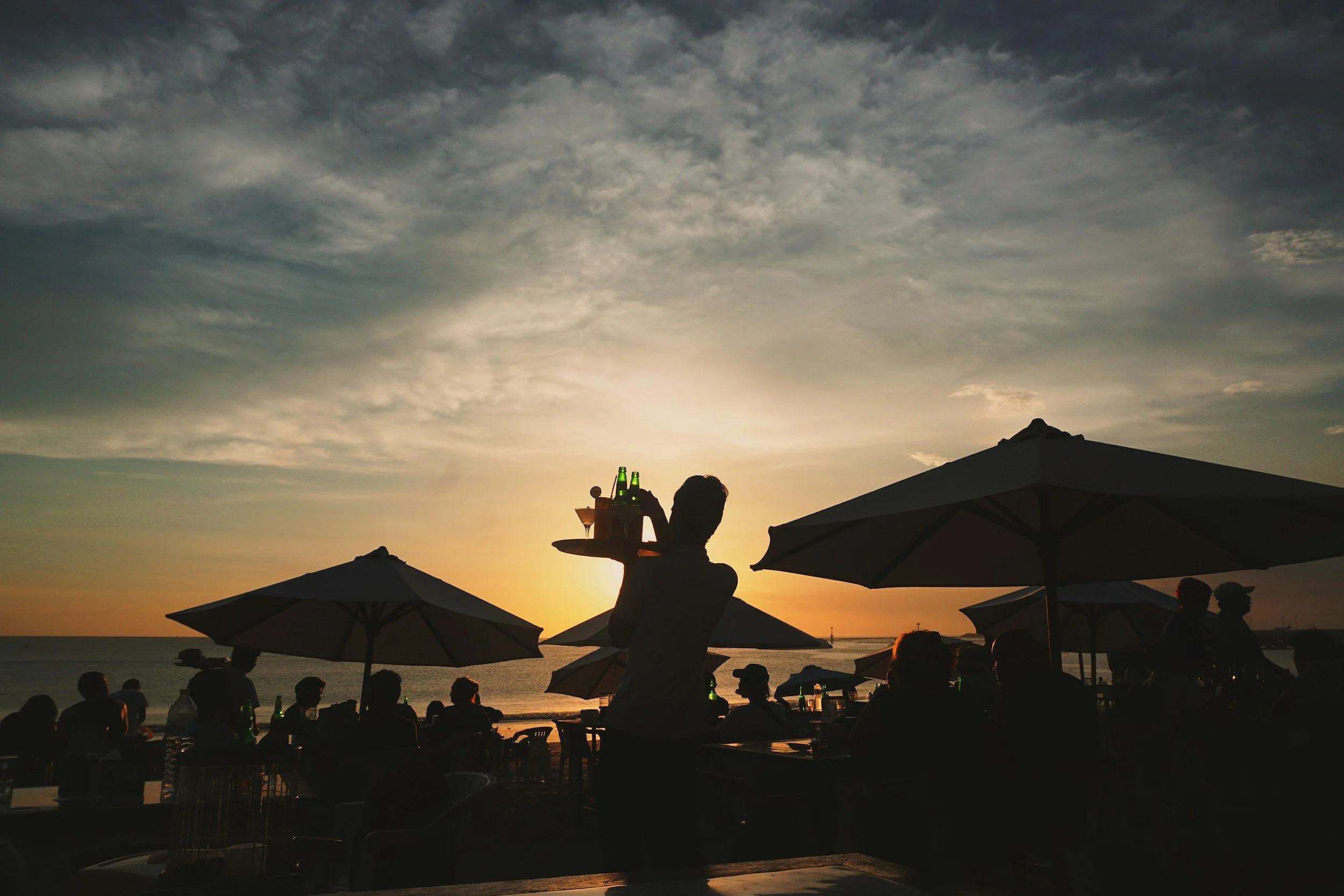
Many visitors are surprised by the price of imported alcohol in Bali. Import duties, excise taxes, and VAT make imported drinks significantly more expensive.
A quick answer if you're short on time: Imported alcohol in Bali is expensive because it gets hit by three things at once. There's an import duty of up to 150%, a per-litre excise tax (cukai) and import VAT. Bintang, Heineken and even Smirnoff have local production branches, which means they cost much less than imported drinks. Wine has only a few local producers, making it one of the worst affected of all drinks when it comes to high prices. If you run a venue and want to serve alcohol, you must hold a SIUP-MB trading licence and an NPPBKC excise number with the category tied to the strength of alcohol you sell.
So Why Is It So Expensive?
Imported alcohol gets taxed from several directions at the same time.
When it comes to import duty (bea masuk), there can be an added tax of up to 150% of the product's value for spirits like whisky, vodka, gin and rum. Then the excise tax (cukai) is added, which is a charge applied per litre. After that, there’s also import VAT (PPN). Once you stack all three together, the final cost looks almost nothing like prices you might be used to overseas. In the past, alcohol fell under Indonesia's luxury tax but this was scrapped back in 2010 and replaced by the excise system. So while alcohol might command luxury prices, the thing that adds the extra costs is excise plus import duty.
Currently, excise rates are split into three groups based on strength:
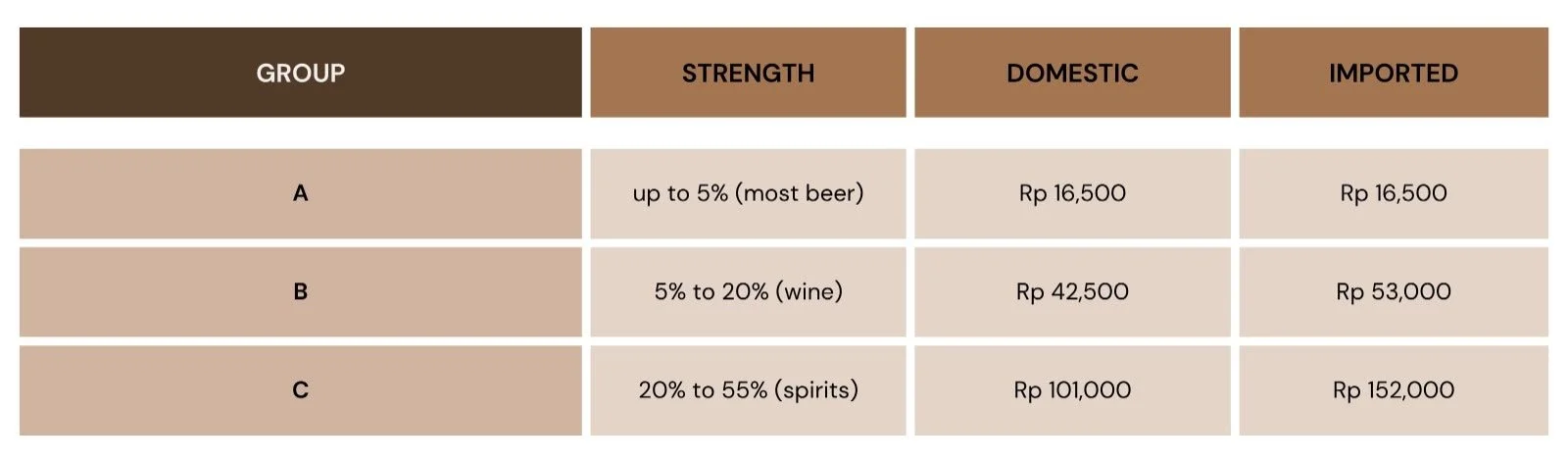
Indonesia's alcohol excise rates vary depending on alcohol content and whether the product is imported or domestically produced.
Imported wine and spirits carry a higher excise rate and take a steep import duty on top.
Inconsistent Pricing
If imported alcohol is so expensive, why does it seem like some foreign brands are still cheap while others aren’t? The reason for this is that many foreign brands actually have local producers in Indonesia.
Heineken and homegrown favourite Bintang are both brewed locally by PT Multi Bintang Indonesia. Famous spirits like Smirnoff, Gordon's and Captain Morgan are produced at Diageo's facility in Bali, which means they are officially classified as domestic products. So if you’re looking to save money when buying alcoholic drinks, these brands are some of your best bets.
Local production doesn't make alcohol tax-free, as domestic excise still applies and it’s not particularly cheap either. However, avoiding that import duty does make a difference to the final price.
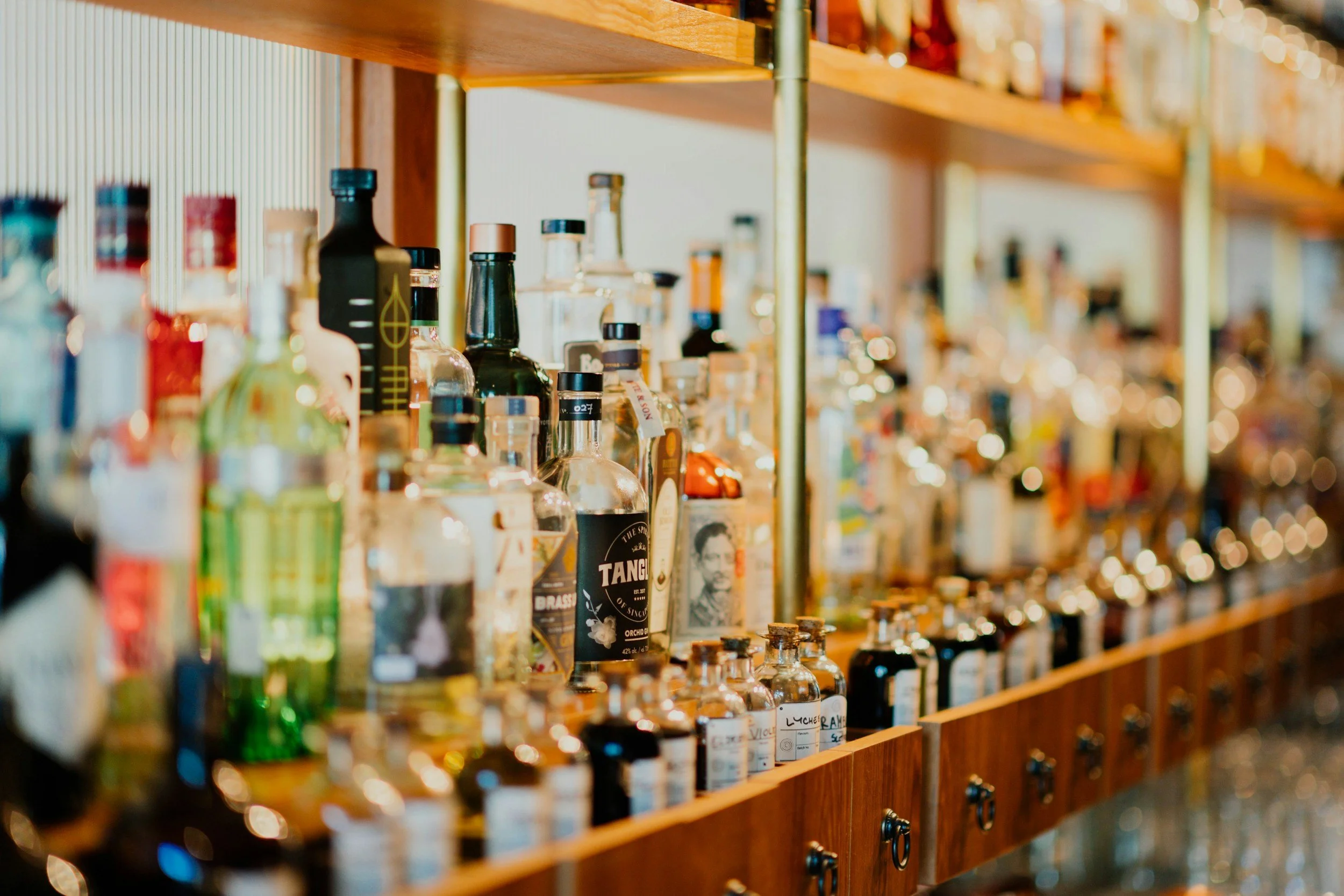
Some international brands are produced locally, helping reduce their retail prices.
There aren’t many local producers of wine, but Hatten, Isola and Sababay are the most popular Bali-based options. That means that almost all the wine sold here is imported and therefore much more costly.
Craft Drinks in Bali
One of the island's most exciting new trends is the explosion of locally made craft drinks. Because they're brewed here and usually fall into the lower-taxed Group A bracket,Bali's craft breweries can offer quality at prices that imports can't match. If you’re curious to try some of them, Island Brewing, Black Sand Brewery and Kura Kura are local favourites.
This trend hasn’t stopped at beer either, as locally made canned cocktails, vodka sodas and seltzers have appeared everywhere in just a few years. For drinkers, that means more choice at better value prices, and for entrepreneurs, there might be a great opportunity.
Is Alcohol Illegal in the Rest of Indonesia?
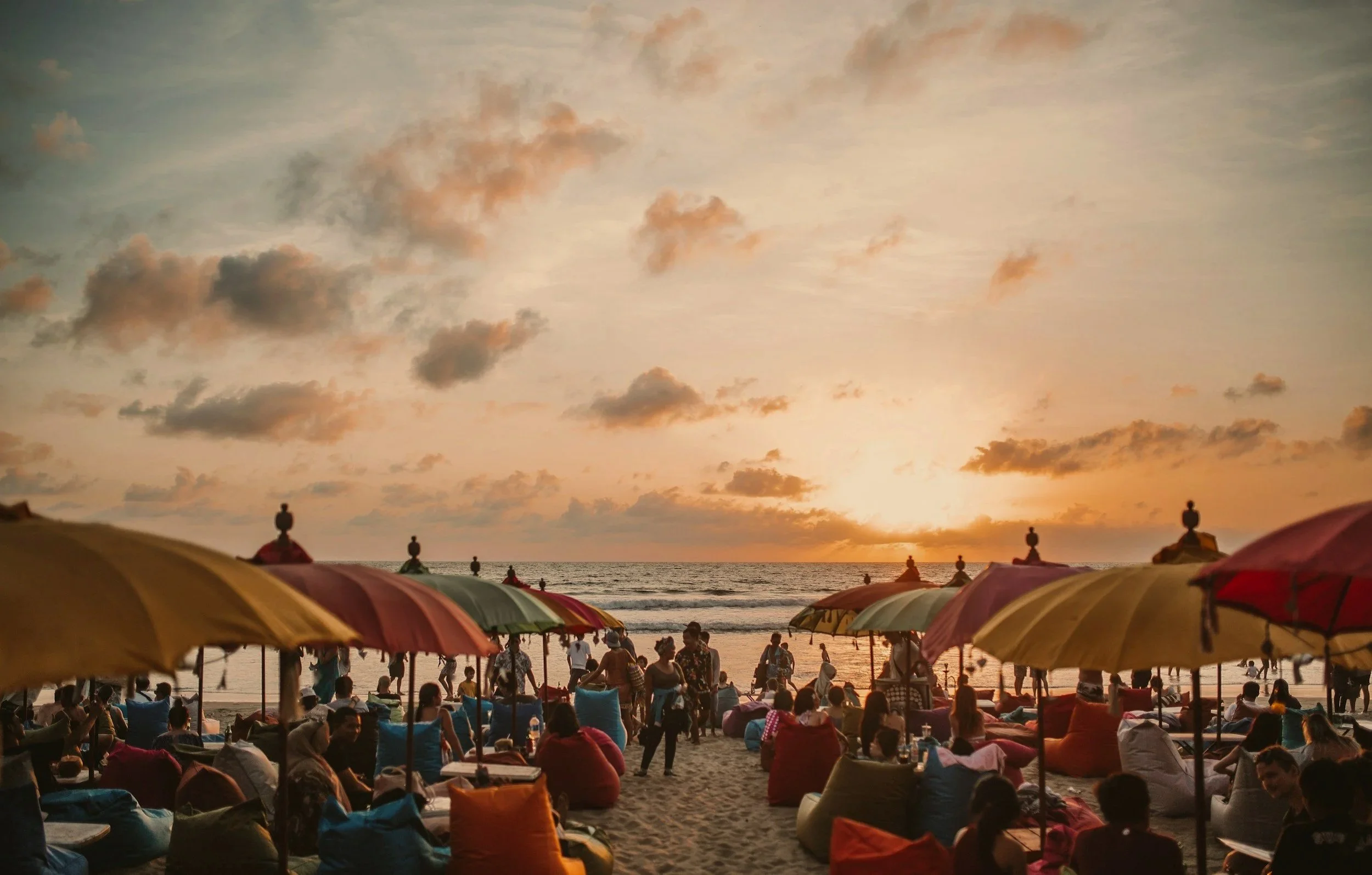
Alcohol is legal in most parts of Indonesia, although regulations vary by region. Bali has a relatively relaxed approach, while some provinces impose much stricter rules or even prohibit alcohol altogether.
Indonesia has the largest Muslim population of any country in the world, which obviously shapes policies around alcohol. Despite there being some pressure to restrict alcohol from some religious groups, Bali's tourism sector contributes a lot to the national economy. As such, high taxes on alcohol serve a double function of generating greater revenue and keeping alcohol consumption in check. Although Bali has a pretty relaxed approach to alcohol, there are some regions of Indonesia, like Aceh, where alcohol is completely prohibited. However, in most parts of the country, alcohol is not banned, although its sale is sometimes restricted.
What Do You Need to Sell Alcohol in Bali?
Serving alcohol without the correct permits can put your business at risk. Authorities in Bali carry out regular inspections, and foreign-owned venues are often among those subject to scrutiny. The penalties can be serious, ranging from confiscation and substantial fines to the suspension or closure of your business.
Indonesia classifies alcoholic beverages into three categories based on their alcohol by volume (ABV), and licensing requirements depend on the highest category your business intends to sell:
• Group A: Contains more than 1% up to 5% ABV. This category typically includes beer, cider, shandy, and other low-alcohol beverages.
• Group B: Contains more than 5% up to 20% ABV. This generally includes wine, sake, soju, and similar fermented alcoholic beverages.
• Group C: Contains more than 20% up to 55% ABV. This includes distilled spirits such as whisky, vodka, gin, rum, tequila, and brandy, as well as high-alcohol traditional Indonesian spirits such as arak.
If you want to sell alcohol legally, your venue must hold a SIUP-MB (Surat Izin Usaha Perdagangan Minuman Beralkohol), which is the licence required to trade alcoholic beverages. Businesses that manufacture, import, distribute, store, or sell alcoholic beverages containing more than 5% ethyl alcohol, including locally produced spirits such as arak, must also obtain an NPPBKC (Nomor Pokok Pengusaha Barang Kena Cukai), the excise registration issued by the Directorate General of Customs and Excise (Bea Cukai).
Your business must first be registered through the OSS (Online Single Submission) system to obtain a Business Identification Number (NIB), after which the NPPBKC application is submitted to Customs and Excise (Bea Cukai website). Operating without a required NPPBKC can result in administrative fines ranging from IDR 20 million to IDR 200 million, in addition to other enforcement measures.
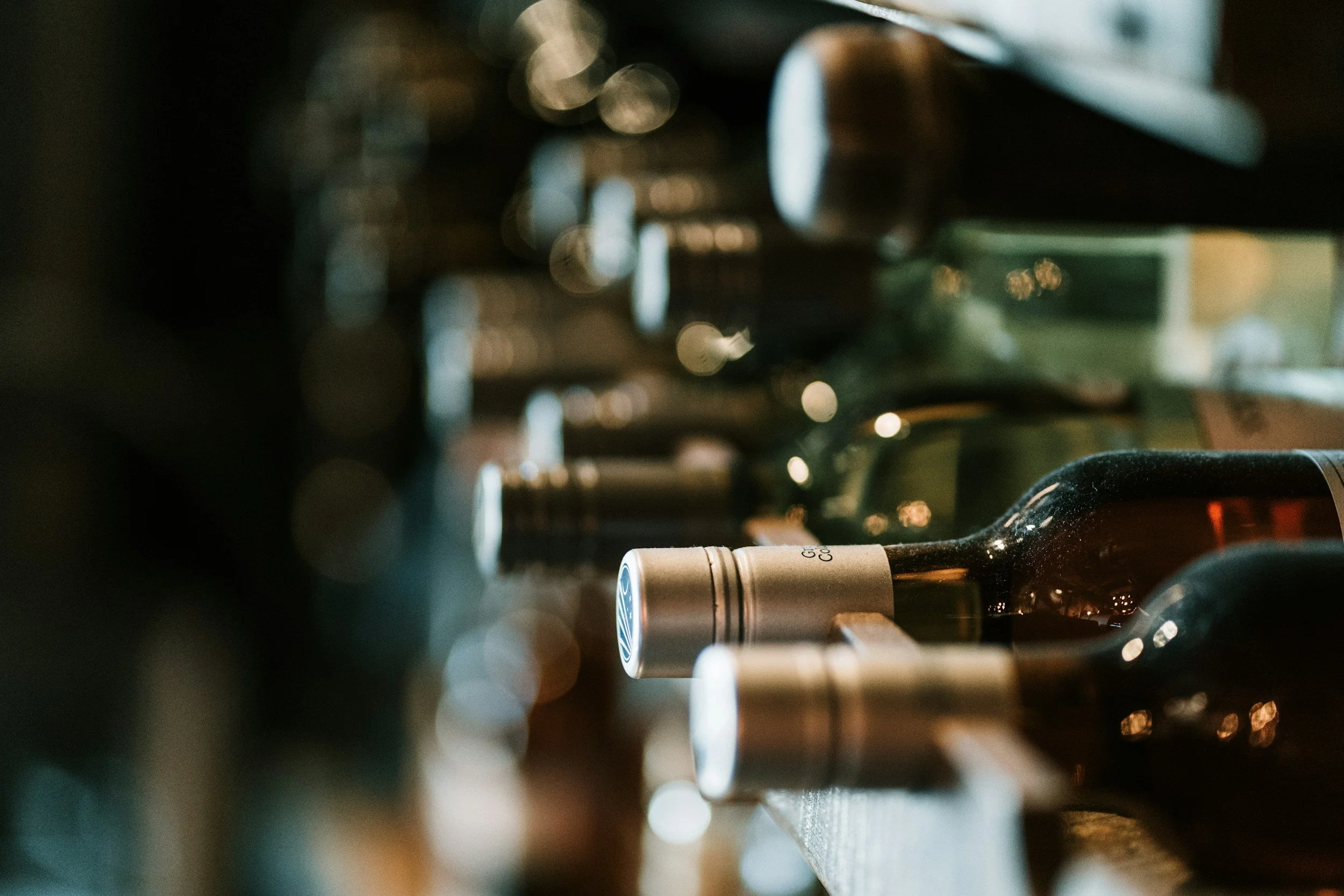
Selling alcohol legally in Bali requires businesses to meet Indonesia's licensing requirements. Many venues will need both a SIUP-MB trading licence and an NPPBKC excise registration.
For manufacturers, importers, and storage operators, an NPPBKC remains valid for as long as the business continues to operate. For distributors and retail alcohol sellers, however, the NPPBKC is valid for five years from the date it is issued and may be renewed for successive five-year periods, provided the business continues to meet the applicable requirements.
Because alcohol regulations in Indonesia are subject to change, it's always advisable to confirm the latest licensing requirements with a qualified legal or business consultant before deciding which permits your business will need.
Need Help?
If you need assistance understanding alcohol licenses or how to set up a company that sells alcohol, we’d love to help you. Simply message or give us a call on Whatsapp and we can put you through to one of our expert team members at Bali Solve. We are a visa and business consulting agency based in Pererenan, near Canggu, that helps hundreds of businesses operate in Indonesia more efficiently. With entrepreneurs on our team and amongst our founding members, we also have hands-on experience in getting the SIUP-MB and NPPBKC trading licenses. Reach out to us and we’ll help you find the best path forward.
Frequently Asked Questions
Q: Why is imported wine so expensive in Bali?
A: Because most wine in Bali is imported, it takes the full hit of import duty, the higher imported excise rate and VAT. With only a few local wine producers, there aren’t many cheaper home-grown options to bring prices down.
Q: Are Bintang and Heineken really made in Indonesia?
A: Both are brewed locally by PT Multi Bintang Indonesia. That local production is a big part of why they cost so much less than imported beers.
Q: Is the Smirnoff in Bali the same as abroad?
A: It's the same brand. Diageo produces Smirnoff, Gordon's and Captain Morgan at its facility in Bali, which classifies them as locally produced. Being made here means they avoid the import duty and a lower excise rate applies.
Q: Do I need a licence to serve alcohol in my restaurant?
A: Yes, you do. You must hold a SIUP-MB trading licence and an NPPBKC excise number and the category has to match the strength of alcohol you serve. Operating without them carries a high risk and isn’t recommended.
Q: Is it cheaper to serve only beer?
A: Usually, yes, as beer falls into Group A, which carries the lowest excise and an easier licensing path than spirits in Group C. If you’re a new or small venue, starting there can save you time and money.
Written by Bali Solve Team
29 June 2026