Why Bali’s Biggest Landfill is Closing
Every day, over 1,000 tonnes of waste disappears from South Bali’s streets, only to be taken and dumped in a massive landfill site near Sanur, called TPA Suwung. The landfill has been open since 1984 - but this 40-year routine is expected to end quite soon.
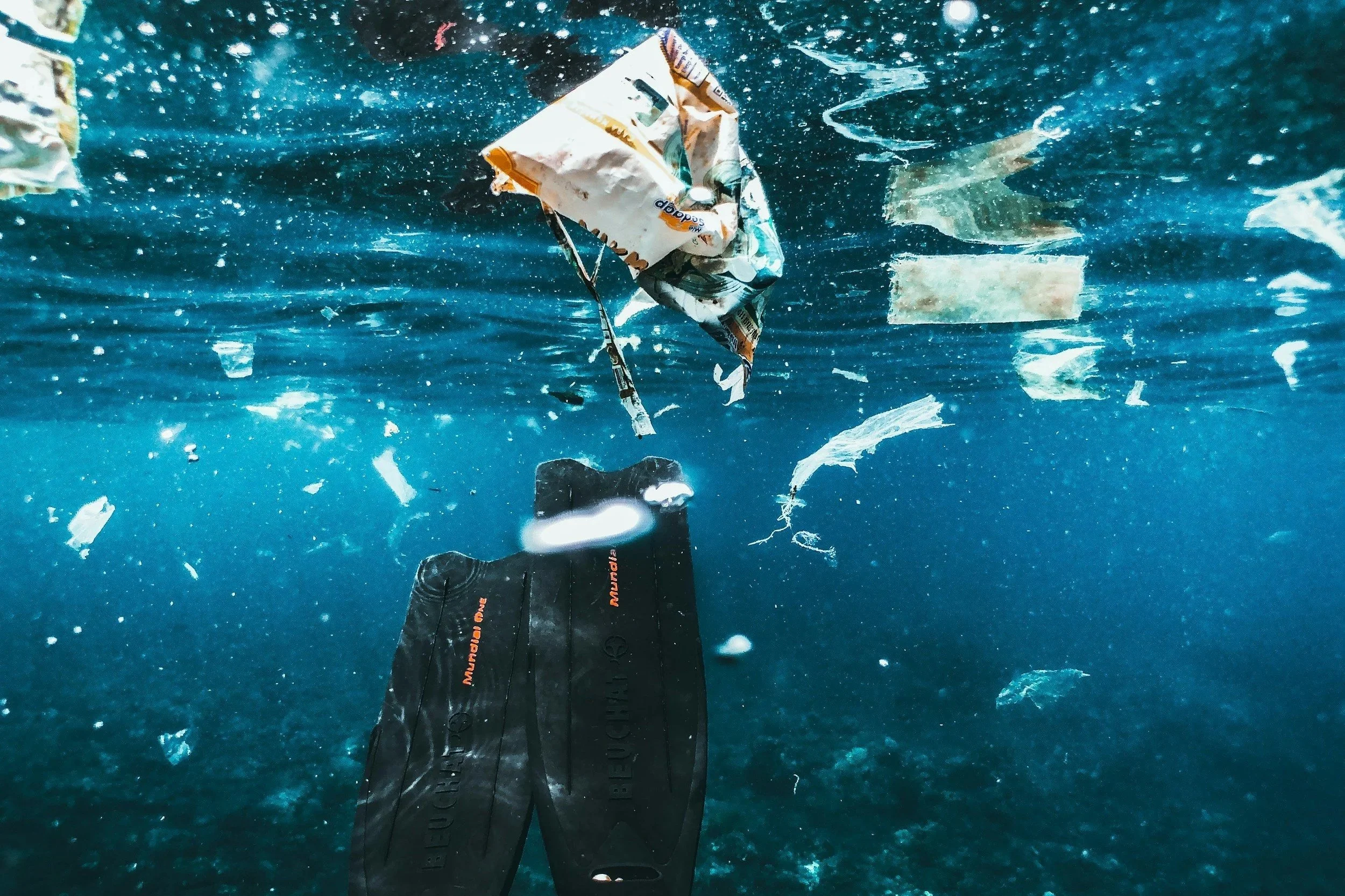
Bali’s largest landfill, TPA Suwung, is set to close by November 2026 after 40 years of operation.
Two days before Christmas, on December 23rd, 2025, the landfill was scheduled to close. This closure was part of a wider plan initiated across Indonesia to deal with environmentally harmful landfill sites. However, the Ministry of Environment has since granted extensions - first to February 28th, 2026, and most recently to November 2026, after Governor Wayan Koster requested additional time to optimize waste management facilities in Denpasar and Badung in response to public concerns and protests.
With the deadline now extended to November 2026, it’s important for business owners, residents and general public to understand these changes, so they can prepare ahead of time.
Why Now?
TPA Suwung (Tempat Pembuangan Akhir Suwung, or Final Waste Disposal Site) has been processing waste from Denpasar and Badung since 1984. Due to this long period and the huge amount of waste the 32-hectare facility processes every day, trash is now piled over 35 meters high.
Under the Indonesian Law No.18 of 2008 on Waste Management, sites using ‘open dumping systems’ should have moved to more environmentally friendly methods years ago. In order to protect Bali’s groundwater, beaches and surrounding areas from pollution and disease, Suwung TPA needs to be closed soon.
Where Will the Trash Go in Bali Then?
To stop this harmful practice of ‘open dumping,’ Bali plans to put a more decentralized waste management system in place.
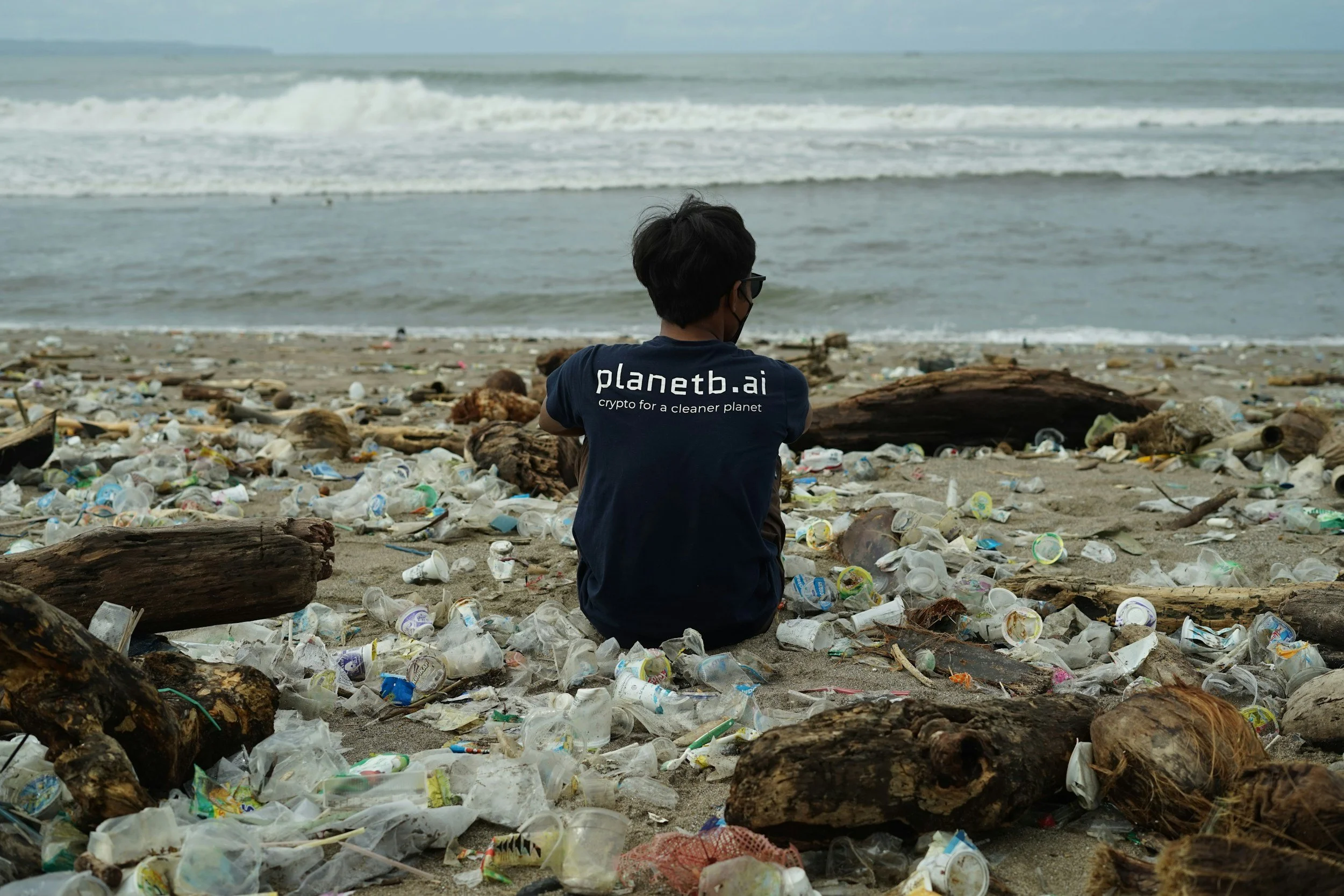
A waste-to-energy plant (PSEL) is planned to start construction in 2026 and operate by 2028, with a capacity of 1,000 tonnes per day.
This should feature several different types of facilities:
TPS3R facilities are community recycling centers. Bali has 294 of these which are able to process 4-8 tonnes daily each by sorting, recycling and composting waste at the neighborhood level.
TPST facilities are larger and have a combined capacity of approximately 280-320 tonnes daily if fully operational.
TEBA modern are composting pits which have been distributed to households. Denpasar has deployed over 5,700 units which, when used properly, can reduce household waste by up to 90%.
PSEL is a waste-to-energy plant which is set to open in the near future. Construction is beginning in 2026 and if everything goes to plan, it should be able to process 1,000 tonnes daily by 2028.
However, there’s a hitch. Unfortunately, the current alternatives can only deal with 500-1,000 tonnes of waste daily until the PSEL (waste-to-energy plant) is built. This means that for approximately two years, there are no obvious solutions for processing the immense amount of waste produced in Bali, with Denpasar and Badung producing 1,000 tonnes alone per day. Unless alternative plans are put in place soon, individual households and businesses will need to learn to manage waste better.
Public Concern
On December the 23rd, over 400 garbage trucks demonstrated at the Governor’s Office, asking that TPA Suwung be kept open until the waste-to-energy facility is fully functional in 2028. This was following queues of 100’s of trucks that were unable to unload for several days. During the extension period, Denpasar and Badung are only permitted to dump a maximum of 50% of their normal daily waste volume at TPA Suwung, with the remainder required to go through alternative processing facilities.
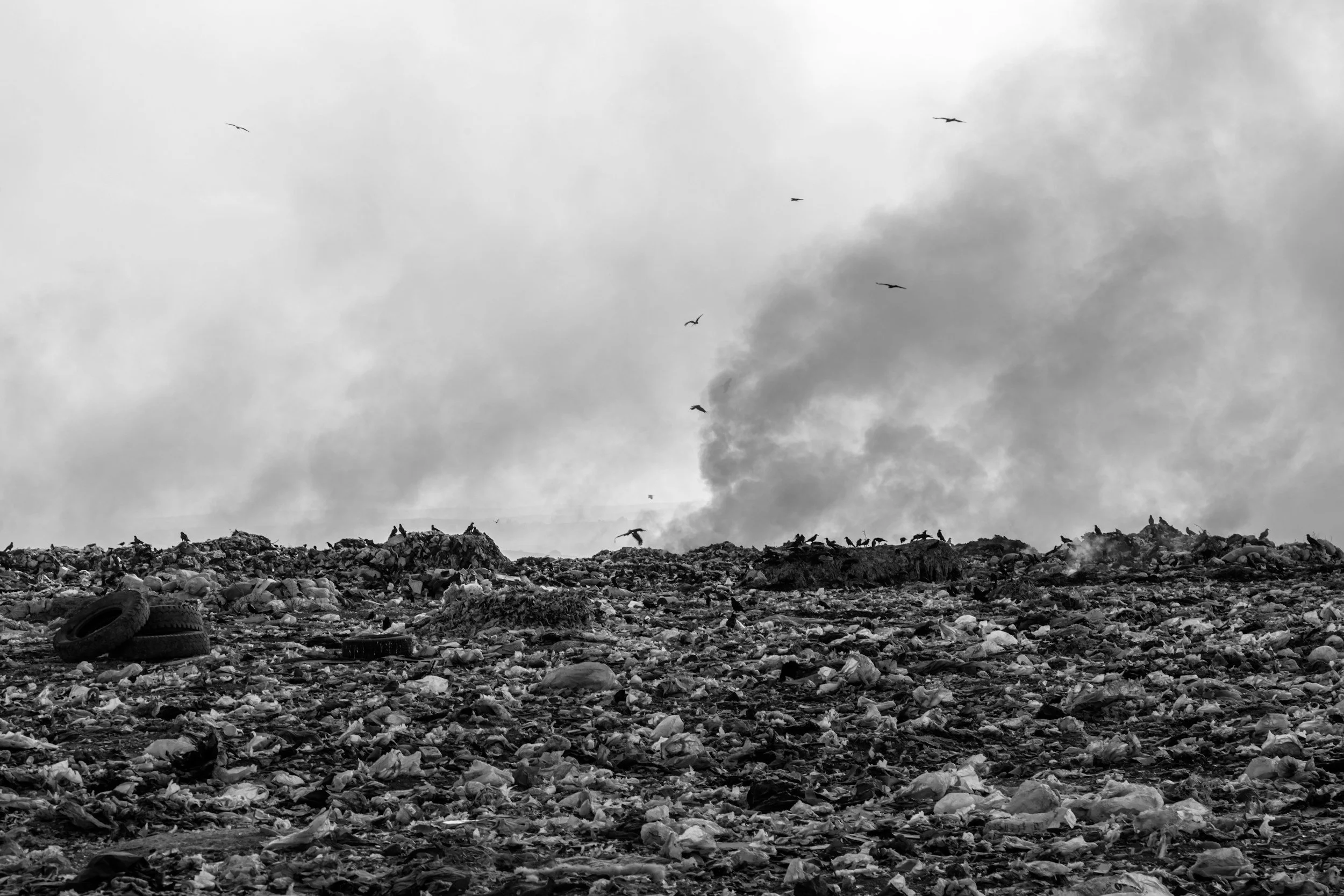
Plans to redirect waste to TPA Landih in Bangli face resistance from local residents.
There had been talks and plans made to relocate waste to TPA Landih in Bangli Regency, which is 58 kilometres north of Badung. However, after inspection, TPA Landih was found to be unsuitable for the necessary requirements, leading to the request for the November 2026 extension instead.
Adding to public concern, Wayan Koster reiterated that households and businesses must begin sorting waste at the source, placing responsibility on the public to separate organic and non-organic waste before disposal. While waste segregation has long been part of government policy, the renewed emphasis came amid ongoing disruptions and capacity shortages at TPA Suwung.
This messaging has been met with frustration from the public and waste operators, many of whom argue that waste sorting infrastructure, collection systems, and downstream processing facilities are not yet adequately prepared to handle the transition at scale. As a result, the landfill restrictions have heightened uncertainty, with residents and service providers expressing concern that enforcement expectations are outpacing practical implementation.
What To Do with Your Trash
For those of us who live in Bali, it’s important that we aim to reduce our impact and help the island to preserve its nature however we can. Here’s how you can help, as well as avoid further issues with trash collection if it is eventually left up to residents to find better solutions:
For individuals: Start separating organic and non-organic waste at home, and consider using composting systems for organic waste. You can also keep in touch with your landlord or local banjar to stay informed about waste collection issues in advance.
For businesses: Hotels and restaurants produce a lot of waste, which means they can have a much higher impact. If you run a hotel or restaurant, review your current waste systems, recycle where you can and speak to your trash collector about how they plan on transitioning going forward.
For property investors: Properties in areas with established community recycling centers will probably have more consistent services during these next two years. When deciding where to invest, consider waste collection and plan ahead to avoid issues for your tenants.
Looking Ahead
Moving from reliance on a single landfill to a decentralised, more environmentally friendly waste management system is likely to present significant challenges. Many critics argue that without a clear and well-implemented plan, residents may resort to improper disposal methods - including dumping waste into rivers or the sea, as evidenced by numerous videos circulating on social media, or burning plastic, which releases harmful toxins into the air.
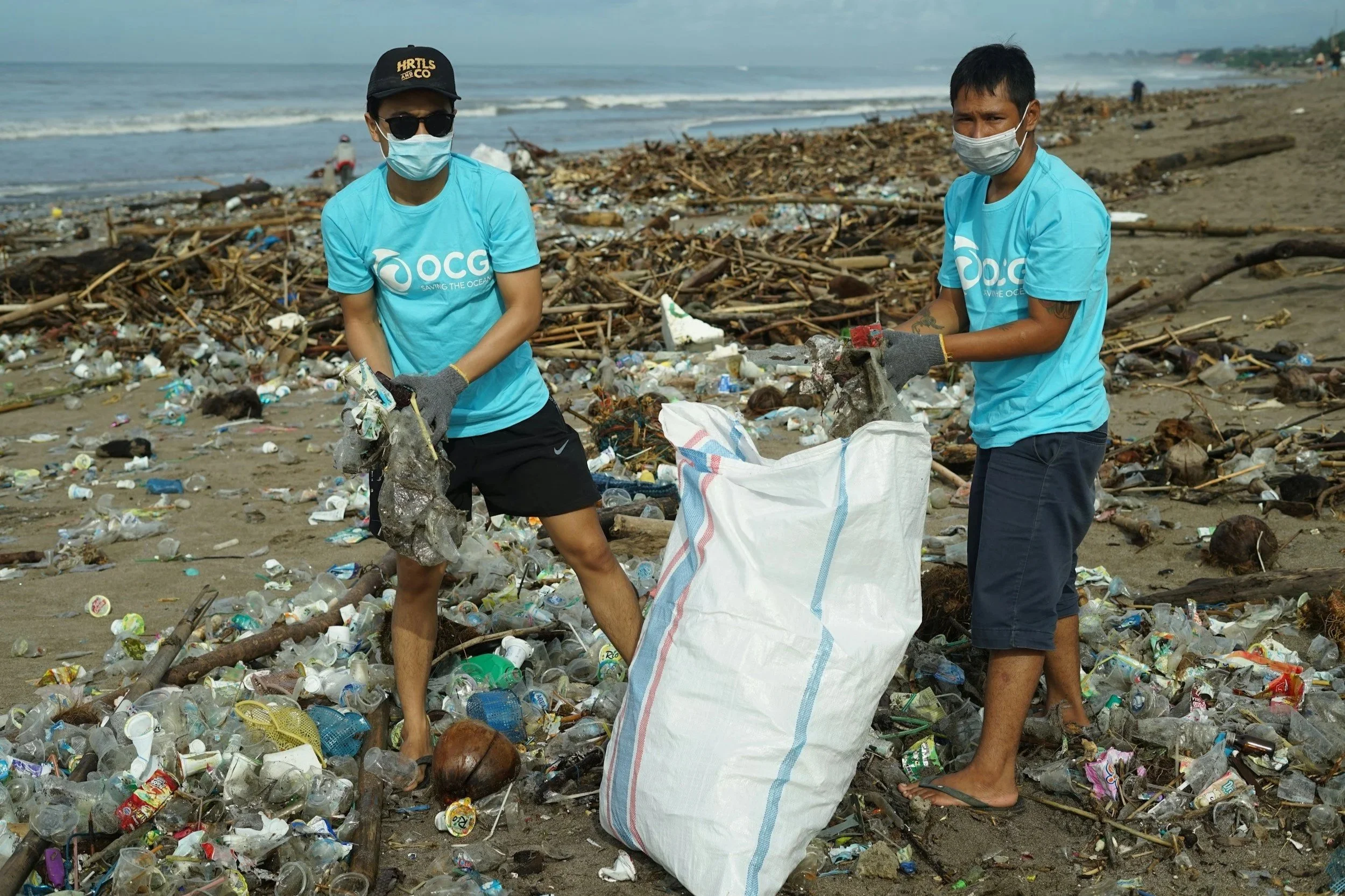
Open dumping threatens groundwater, beaches, and public health.
However, once the waste-to-energy facility opens in 2028, it will provide a long-term solution sufficient for Bali’s needs. In the meantime, residents and businesses of Bali may need to become more conscious about how they dispose of waste, and work on finding solutions within the community.
Need Help?
If you’re running a business in Bali, and need advice on the most current Indonesian regulations, don’t hesitate to get in touch. We are Bali Solve, a visa and business consulting agency based in Pererenan, and we can assist with practically anything business related, whether it be getting the right visa, (PT PMA) company set up, taxes, accounting and business consulting. To schedule an appointment, simply reach out via Whatsapp with one of our friendly team members today.
Written by Bali Solve Team
January, 30th 2026