Bali's Property Market in 2026: Opportunities and Challenges
Bali remains one of the world's most attractive destinations for both holidaymakers, investors and those looking to settle abroad somewhere with a more relaxed lifestyle. Tourism has rebounded, international attention is high and new businesses continue to arrive on the island every week.
Still, discussions regarding Bali's property market are becoming more and more polarized, with real estate agents continuing to promise high ROI while conversations on social media talk of emptier villas and supply surpassing demand.
So what is really going on with Bali's property market?
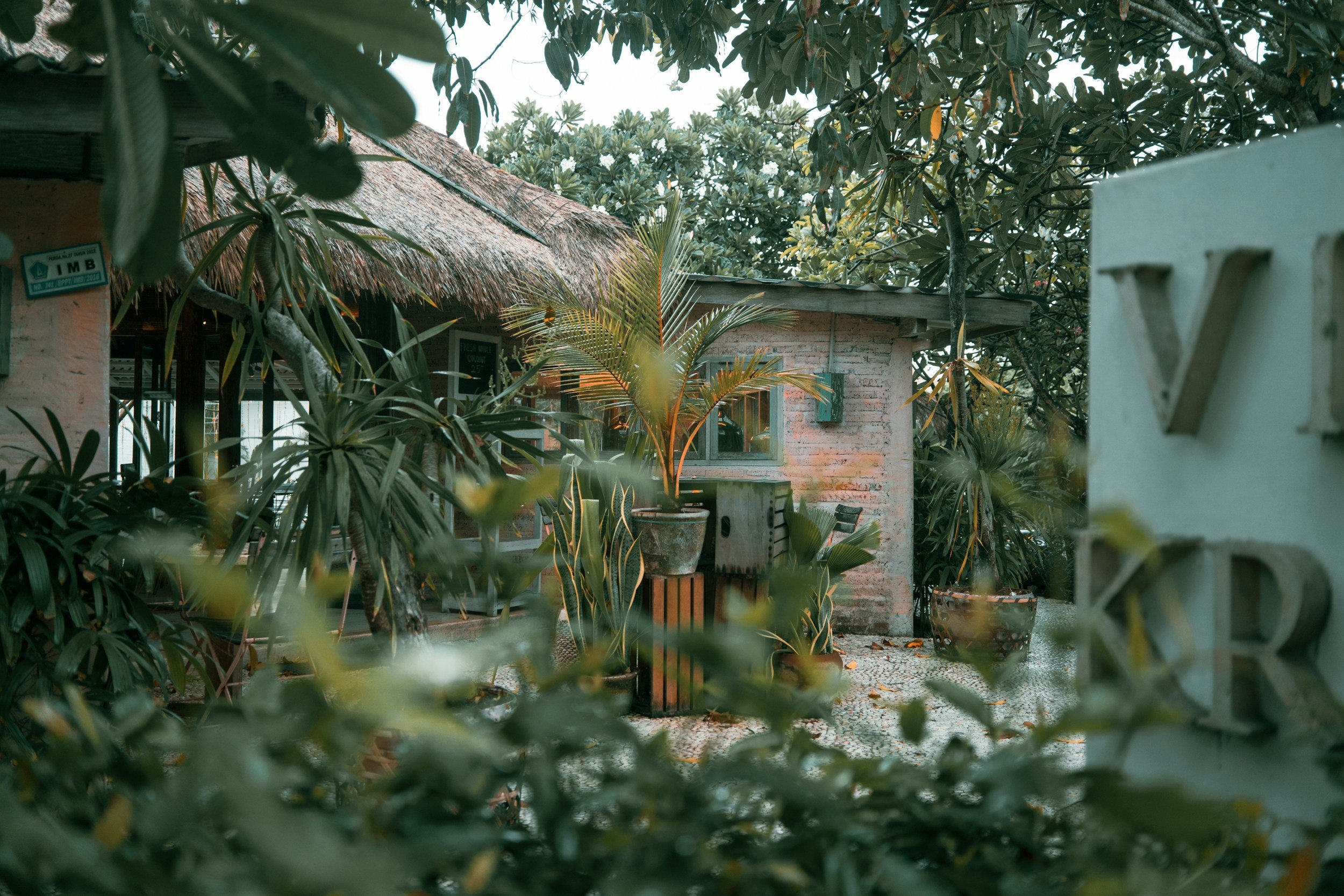
Bali welcomed over 6.3 million international visitors in 2024, surpassing pre-pandemic levels, and continued its strong recovery in 2025 with more than 7.1 million international arrivals.
Tourism is Still on the Up
There are no doubts about whether tourism recovered in Bali or not. In 2024, Bali welcomed over 6.3 million international visitors, which was more than pre-pandemic times. Hotel occupancy, demand for accommodation and wellness services are still high. In 2025, tourism momentum continued, with over 7.1 million international visitors arriving in Bali through combined air and sea entry points, further reinforcing the island’s sustained recovery and growth.
Bank Indonesia, Indonesia's central bank, tracks residential property prices nationally through its Residential Property Price Index. The latest data shows residential price growth below 1% year-on-year in 2025 across Indonesia, indicating a broadly flat market across the country. While national growth remained limited, Bank Indonesia's specific data for Denpasar showed a modest residential price increase of approximately 1.08% in late 2025. It seems that even in Indonesia's most famous destination, price growth for standard residential housing is trailing significantly behind the commercial and tourism-driven sectors, except in areas such as Canggu, Uluwatu or Pererenan. However, when interpreting such statistics, it is important to take into account that Denpasar is predominantly a local residential market, with housing largely serving local residents rather than expatriates. Despite being Bali’s capital, Denpasar is not a primary destination for expat living, which helps explain why price growth in standard residential housing continues to lag significantly behind the commercial and tourism-driven property markets, particularly in areas such as the South of Bali.
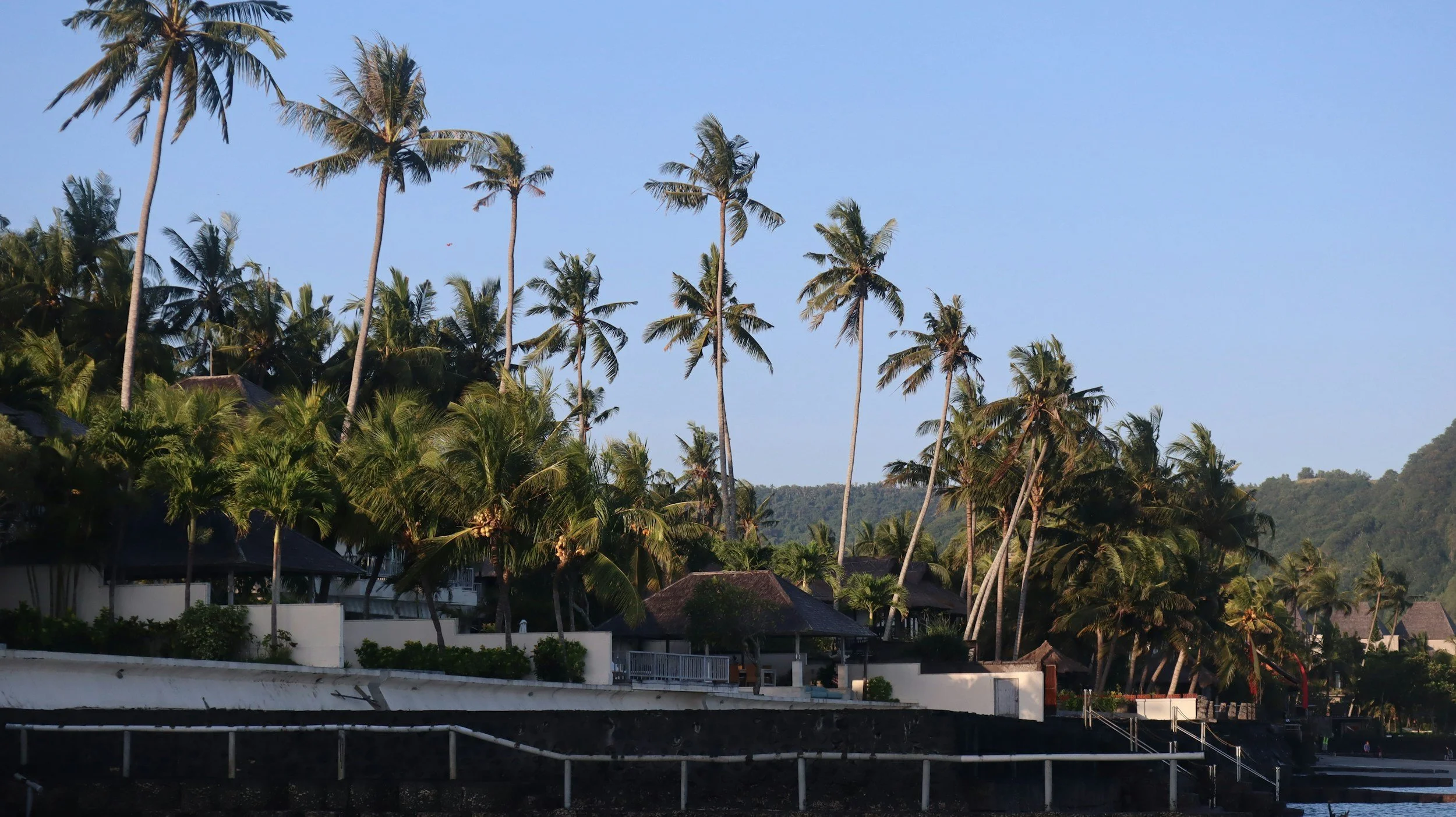
Commercial property performance varies: hotels and offices are growing, while serviced apartments are declining.
Bank Indonesia does not publish other data for residential prices in other areas in Bali in its public releases, but it does publish data on commercial property. In Q3 2025, Bali's Commercial Property Price Index rose 3.56% year-on-year, driven by improving demand in certain sectors. This is a positive sign for Bali, but growth ultimately depended more on the type of commercial property:
Hotels: +3.84%
Office / service buildings: +5.93%
Retail: +0.54%
Serviced apartments: –23.51%
As we can see, the reality of the market is quite nuanced. Some commercial properties are benefitting from tourism, whereas serviced apartments are clearly struggling to find their market.
The ROI Reality
If we take a glance at projections from real estate agents across the island, ROI projections for villas appear to be much higher, with some stating that 15-20% per year is possible, with predicted occupancy rates between 60-80%.
Whether these figures are achievable would most likely depend on the property in question being a uniquely designed offering in a prime location, with a seamless guest experience. Regardless, many of these predictions come from estate agents who have a vested interest in painting an optimistic view of the market. They may be based on gross ROI and once management fees, corporate sales tax, municipality tax and maintenance costs are factored in, the 'net' reality for most owners is likely to be much less than these figures. As such, thorough, independent research and realistic financial modelling are essential before relying on these projections.
It is also important to stress that under Indonesian law, commercial property lease rights - including properties intended to be rented out on platforms such as Airbnb or Booking.com - must be owned or held by a PT PMA/foreign-owned company, not under a private individual’s name. As a result, investors must also factor in the administration and ongoing compliance costs of maintaining a company, as well as residential visa requirements for company directors, which represent additional expenses that should be clearly incorporated into any realistic business plan.
For further information on company setup in Indonesia, please contact our team directly or refer to our company setup page for a detailed overview of the process and requirements.

Thorough research into the property market is strongly recommended for every prospective investor, as the Bali real estate market is highly dynamic and trends can shift quickly.
Talk of Empty Villas
Alongside this financial reality is a growing supply issue that explains the 'empty villa' narrative seen on social media lately. A large number of off-plan villas sold based on 3D renderings before construction begins have entered the market, leading to a saturation of cookie-cutter properties, particularly in areas such as Canggu, Pererenan and Bingin/Uluwatu. Because these thousands of new units share very similar aesthetics but lack unique branding or hotel-grade management, they are increasingly forced into price wars.
It is important to note, however, that off-plan projects from credible and experienced developers can still represent a strong opportunity, and are often a more affordable entry point, which explains their continued popularity. That said, the key risk with off-plan purchases is that the final product may not fully reflect the original renderings, making outcome quality harder to control. By contrast, purchasing a completed villa provides greater certainty around build quality, design, and operational readiness.
That being said, the “empty villa” narrative seen on social media often reflects the experience of investors who entered projects without fully anticipating how a more mature 2026 market would evolve, where high-quality service and architectural distinction are increasingly important alongside trending location. In many cases, these concerns arise from projects positioned at lower price points, where expectations for returns may not always align with the realities of a more competitive rental landscape.
More Houses on the Market
This shift is echoed by a visible surge in property listings on major platforms. According to Villa Finder's market study, Airbnb-style listings grew by 18% year-on-year by 2025, with booking values falling by 21.6%. This increase in listings and dip in booking suggests there may be a case of oversupply. As it has become more difficult to differentiate in a heavily saturated market, some developers are trying to leave the property market. Findings from an analysis of listings on Rumah123, a popular property listing website, showed that Bali villas for sale increased from 18,000 to 98,000 in a period of just a few months mid-2025.
On the other hand, it is important to note that property prices in Bali remain significantly more affordable than in most Western markets. Against a backdrop of ongoing economic and geopolitical uncertainty in parts of the Western world, there continues to be steady interest in acquiring leasehold property in Indonesia, not necessarily as a pure rental investment, but as a second-home or lifestyle-driven purchase, particularly for expatriate families considering temporary relocation to Indonesia amid growing uncertainty in their home countries.
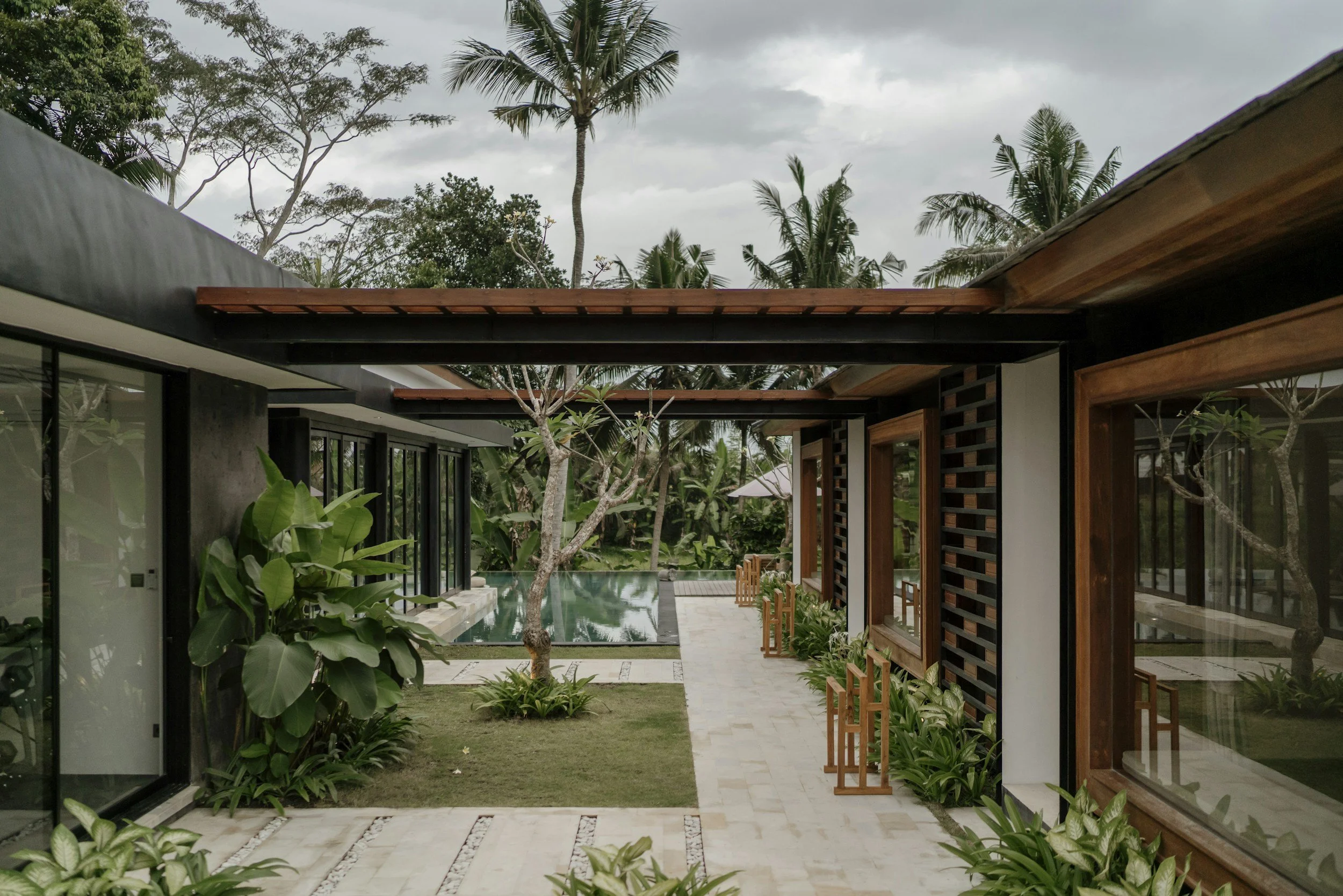
Even after strong post-pandemic growth, Bali property prices are still comparatively cheaper than those in Western countries.
The End of the Grey Market
Adding to the pressure is a backdrop of significantly increased regulatory enforcement compared to previous years. In 2026, Indonesian authorities are expected to be more active on the ground in monitoring short-term rental compliance, particularly for properties listed on platforms such as Airbnb and Booking.com. Operators without a valid NIB (Business Identification Number) and/or the appropriate KBLI accommodation classification may face serious consequences if identified.
For villas located in designated green zones, obtaining these mandatory licenses may now be extremely difficult, as zoning regulations are being applied more strictly than before. As a result, having a proper PT PMA structure, combined with correct zoning classification, has become essential for anyone operating - or planning to operate - a property-related business in Bali going forward.
Looking Forward
As we move into 2026, it's clear that Bali's housing market is going through a shift. Essentially, the polarization seems to be from those facing a post-golden era reality. The result is an overwhelming number of properties suitable for holidaying, although not necessarily for living, as well as questions about the environmental impact of such unabated development. Ultimately, the 'easy money' era has been replaced by a market that rewards quality over quantity.
For investors, the path to success now requires looking past 3D renderings and focusing on legal transparency, architectural distinction and professional management. The 'empty villa' issue is not the sign of a dying market, but definitely a warning sign to avoid developments that lack soul or a legitimate, legal foundation. Nevertheless, for those who move with intention and professional structure, Bali remains a place where a world-class lifestyle can still be paired with reasonable returns.
A Few Takeaways for Investors:
Verify permits: Ensure your completed villa holds a valid building permit PBG/SLF (previously known as IMB) before listing it for rent.
Check zoning carefully: Avoid building on green zones, and be aware that yellow/residential zoning is generally not intended for commercial use, including short-term rentals. Always confirm zoning suitability before purchasing or developing.
Net over gross: Focus on realistic net return projections, factoring in management fees, taxes, maintenance, and unforeseen expenses. Insuring your villa is also strongly recommended.
Set up a PT PMA: Operating a property-related business in Indonesia requires a foreign-owned company entity (PT PMA) with the appropriate business licenses in place.

PT PMA is essential for legally operating property-related businesses in Bali.
Looking to Invest?
If you're looking to invest in property in Bali, or need assistance understanding your obligations as a real estate business owner, don't hesitate to contact us. We are Bali Solve, and we're ready to help with PT PMA Company setup, accounting, obtaining licences and staying compliant. Let us help you set things up right from the start in a way that's legal and hassle-free.
Written by Bali Solve Team
25th January 2026