How to Open a Restaurant in Bali as a Foreigner in 2026
Bali's food scene has really grown in recent years, and it's not hard to see why. With plenty of new potential customers arriving every single day and an atmosphere heavily focused on lifestyle, the environment is just right for those looking to build a successful restaurant.
However, opening a restaurant in Bali as a foreigner involves more steps than some might expect, and now more than ever, it’s important to get the foundations right. Still, if you’re willing to take the plunge, it is totally doable with the right finances, expectations and guidance. So, let’s explore everything you need to know before you open your own restaurant in Bali.
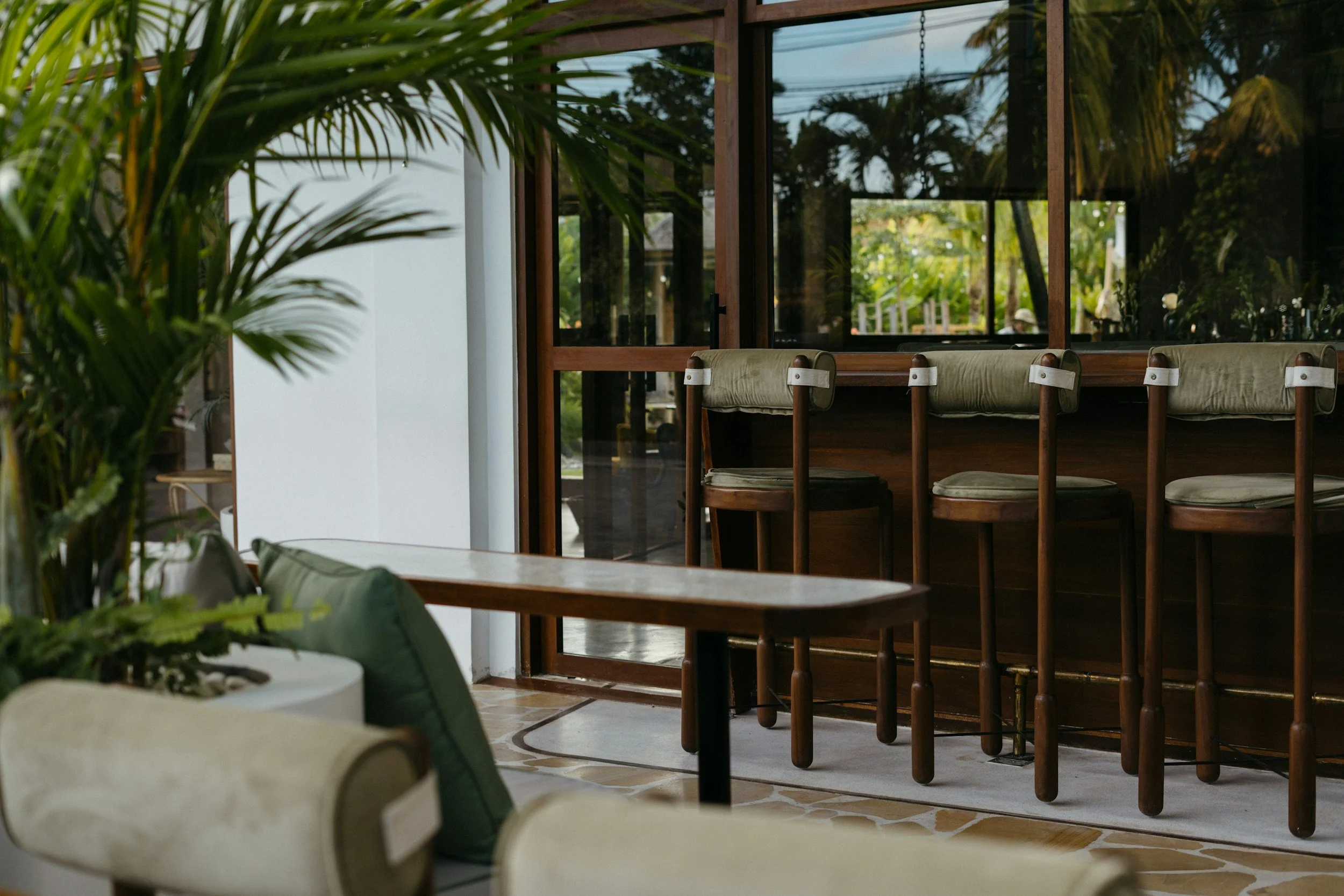
Opening a restaurant in Bali as a foreigner can be complex, but with the right setup, budget, and guidance, it’s absolutely achievable.
Quick Answer. If you’re short on time, read this - Opening a restaurant in Bali as a foreigner requires setting up a PT PMA (foreign-owned limited liability company) with a restaurant business licence under KBLI 56101. You will also need a tourism-zoned property, a valid building permit and depending on your concept, an alcohol licence and a hygiene eligibility certificate. Indonesia's licensing system is also undergoing some changes in 2026, so it’s important to stay up-to-date and be prepared to make amendments.
Opening a Cafe vs. a Restaurant in Bali
If you’re wondering whether you can open a cafe in Bali, unfortunately, the answer is that you can’t. The café business category in Indonesia is restricted to Indonesian-owned companies and has been for over two years. If you are a foreigner who wants to operate in food and beverage, your business must be classified as a restaurant under KBLI 56101.
What counts as a restaurant according to Indonesian business requirements is quite specific. You need a large, properly equipped kitchen, sufficient seating for 50 or more guests, and a space that genuinely functions as a dining area. A small coffee counter, a smoothie bar, or a compact café concept wouldn’t count, even if you call it a restaurant.
Although there are some foreigners who apply for a restaurant licence and then operate a much smaller space, it is risky. If a government inspection takes place and your premises don’t match your licence, your business can face serious legal problems.
Licensing System Changes in 2026
Business licences in Indonesia are issued through a platform called OSS, which stands for Online Single Submission, managed by the Ministry of Investment (BKPM). That system is currently undergoing an overhaul as it implements a new classification framework that was passed in December 2025.

Indonesia’s OSS licensing system is undergoing updates, with a new framework expected to roll out in 2026.
The business code for restaurants, 56101, will be the same but the definition has changed. Under the current KBLI 2020 framework, the restaurant category covers dine-in service only. Under KBLI 2025, it will extend to include takeaway, delivery, buffet and self-service models, as well as catering and restaurants operating within hotels or airports as separate units.
The risk category of restaurants will also change according to the new framework, and where they were previously considered low risk, they will be reclassified as medium-high risk, meaning more documentation is needed when applying for a licence.
The new OSS system is expected to go live around June to July 2026, although there could be delays. If you are setting up a PT PMA now, you can continue doing so under the current system, but you may need to make some changes once everything is in full effect. Whether PT PMA companies will face additional scrutiny compared to locally-owned companies under the new framework is still unclear and will only be confirmed once the system is live.
Location and Zoning
Before you sign a lease or set up a company, make sure you confirm that the property you’ve chosen is in the right zone, as not getting this right is an expensive mistake that can cause major issues to the way you operate.
Your property should be in a tourism zone, which is marked pink on Indonesian zoning maps. When you apply for a business licence through OSS, the system requires a Google PIN for your location. If that location is in the wrong zone, your licence won’t be issued successfully.
Residential zones (yellow), green zones and orange zones are not eligible (although some exemptions exist). Being in the wrong zone will also affect your ability to apply for an alcohol licence later, as both tie to the same address. As such, it’s strongly recommended to run a full property due diligence before making any rental commitments.
Once you have confirmed your zoning, you should check two more things before signing anything. First, make sure the building has a valid building permit, now referred to as a PBG (Persetujuan Bangunan Gedung) or SLF (Sertifikat Laik Fungsi). Many commercial buildings in Bali were once built without one, but as a tenant, the responsibility to check this falls on you. Unfortunately, renting an unlicensed building creates a liability for you if anything goes wrong.
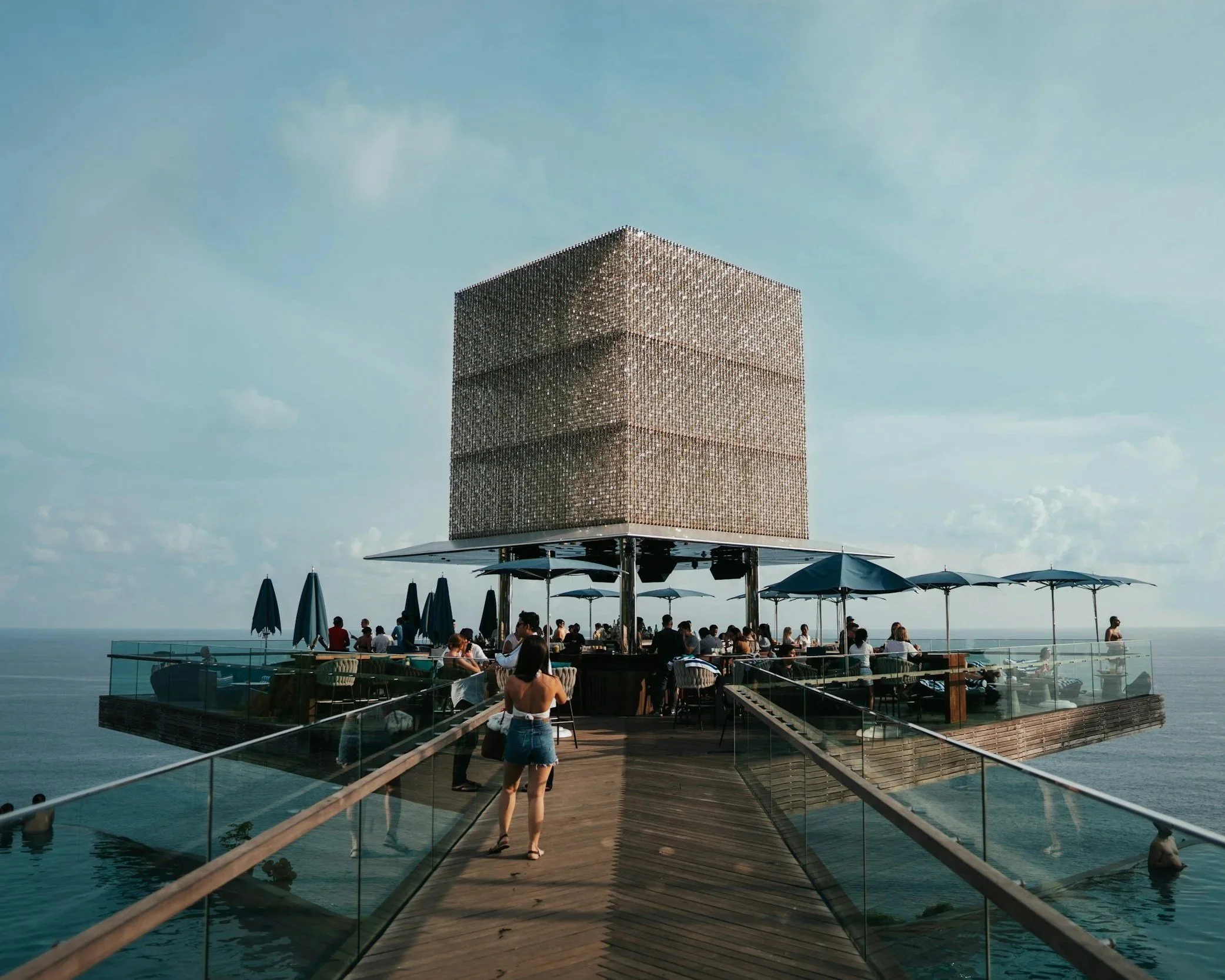
Choosing the right location is crucial, your property must be in a tourism zone to obtain a valid licence. If your property is in the wrong zone, your licence application may be rejected entirely.
Second, check to see if the building uses a ground well for water rather than the regional utility supply. If it does, the well must have a permit called an Izin Pengusahaan Air Tanah (Groundwater Extraction Permit). This is now actively enforced under Law No. 6 of 2023, and non-compliance can lead to criminal charges. If the permit is not in place, you need to work with the landowner to arrange it before opening.
Setting Up Your Company
As a foreigner, you must operate through a PT PMA, also known as a foreign-owned limited liability company. Your PT PMA needs to be registered with the correct KBLI code through the OSS system.
As previously mentioned, a restaurant licence will be classified medium-high risk, and you will need to submit supporting documents as part of the application. These include facility evidence, employee insurance, a business plan and standard operating procedures.
Other Licences
Alcohol license : If you want to serve alcohol at your restaurant, you need to obtain a separate alcohol license before opening to the public. This is arranged after your company is set up and comes in different grades depending on the type of alcohol you plan to serve, from beer and low-alcohol beverages through to spirits. While valid for five years, the final cost is determined by current regulations, with the base fee starting around the 80-100 million mark. If you aren’t planning on selling alcohol, then don’t worry about this step.

Behind every great pour in Bali is a successful venture. The island has become a premier destination for international entrepreneurs to build iconic F&B brands.
Laik Sehat certificate : All restaurants are required to hold a Sertifikat Laik Sehat, which is a hygiene eligibility certificate. In recent years, this requirement has been enforced to a much greater extent. Before you open, a representative from the Ministry of Tourism will inspect your premises and make sure that your staff, including waiters and bartenders, have completed a certified hygiene course.
What You Cannot Do as a Foreign Director
While it might seem like a dream come true to have your own restaurant and you might want to tell the world, there are restrictions on what you can do publicly as a Director or Shareholder of one in Indonesia. In reality, you can’t promote your business on social media, post job advertisements anywhere including LinkedIn, or openly conduct staff training.
Although some still believe it’s fine, this is actually routinely enforced. We have seen cases where foreign directors posted job listings on LinkedIn and were flagged by immigration as a result. To handle recruitment, you should hire an Indonesian HR manager or work with a local recruitment agency, and make sure that staff training is conducted appropriately.
The Whole Process:
Secure the right spot and mitigate all risks by running a complete property due diligence, covering everything from land zoning and PBG/SLF status to water permits and outstanding tax verification. Note that the commercial lease must be signed in the name of our PT PMA, not as a private individual. Additionally, the PT PMA will be responsible for withholding the 10% Rental Income Tax (PPh Final Art 4(2)), so the lease terms must clearly reflect this tax compliance requirement.
Set up your PT PMA with KBLI 56101.
Recruit your team through an Indonesian HR manager or recruitment agency.
Apply for an alcohol licence if your restaurant will serve alcohol.
Arrange your Laik Sehat certificate
Open to the public.
Ready to Get Started?
Opening a restaurant in Bali as a foreigner is entirely possible, but it’s advisable to do things in the right order and with the right structure. The licensing environment is changing in 2026, so it’s good to get things started off on the right foot to avoid any issues later on.

Opening a restaurant in Bali is possible, but doing it correctly from the start is key, especially with upcoming regulatory changes.
If you would like help with any part of this process, from property due diligence to company setup and licensing, get in touch with our team here at Bali Solve. You can reach us via WhatsApp or visit our office in Pererenan to schedule a consultation. We’ve helped many people achieve their dreams and business goals of opening a restaurant in Bali, so you can rest assured you’re in good hands.
Frequently Asked Questions
Q: Can a foreigner open a café in Bali?
A: No. The café category is restricted to Indonesian-owned companies and has been for over two years. Foreigners operating in food and beverage must classify their business as a restaurant under KBLI 56101.
Q:What company structure do I need to open a restaurant in Bali?
A:You need to set up a PT PMA, which stands for Perseroan Terbatas Penanaman Modal Asing. This is the legal structure required for any foreign-owned business in Indonesia.
Q: What is KBLI 56101?
A: KBLI 56101 is the Indonesian business licence code for restaurant operations. It is the only food and beverage category currently open to foreign investment. The definition is expanding under KBLI 2025 to include takeaway, delivery, buffet, and catering models, but the code itself remains 56101.
Q: Do I need an alcohol licence for my restaurant?
A: You only need one if you plan to serve alcohol. An alcohol licence is a separate process from your company setup and must be in place before you open. It is valid for five years and starts at a minimum of IDR 80-100 million, with different grades depending on the type of alcohol served.
Q: What is a Laik Sehat certificate?
A: It is a hygiene eligibility certificate, formally called a Sertifikat Laik Sehat. Before you open your restaurant, you need to have one. A Ministry of Tourism representative will come and inspect your premises, and your staff will need to complete a hygiene course.
Q: Can I promote my own restaurant as a foreign director?
A: Not publicly, as foreign directors and shareholders of a PT PMA are not permitted to promote the business on social media or post job listings. If you want to recruit new staff, it should be handled by an Indonesian HR manager or a local agency.
Written by Bali Solve Team
20 April 2026