Your Top 10 Questions Answered by Bali Solve 2026 Guide
After years of running a visa agency in Bali, we’ve had our fair share of questions, and some of them get asked over and over again. If there’s something you’ve been wondering about visas, setting up a business or living in Bali - you might find the answer in this article, as we dive into your top questions over the last year.

To get a personalized consultation, you are welcome to visit our office in Pererenan, Bali.
1. Can I extend my tourist visa without doing biometrics?
As of late 2024, biometrics are required for all visa extensions, including electronic Visa on Arrival and the C1 tourist visa. While eVOA holders previously benefited from remote extensions without physical attendance, current regulations have removed all exceptions. Biometric registration at Immigration is now a mandatory requirement for all legitimate visa extensions. It’s recommended to allow time for the process and to be available to visit immigration when renewing your visa.
2. Can I promote my business on social media if I have a Director KITAS?
Having a Director KITAS allows you to sign documents and oversee daily operations, but it doesn’t allow you to work in a hands-on role in the company. Social media promotion, branded content and public-facing marketing don’t fall under this scope. If you want to market a business legally, you need a Working KITAS as a Marketing Manager, but this title is actually only available to employees. As a Director, you can’t have both titles, which means you need to hire an Indonesian person to do your marketing or hire a foreign professional under a sponsored Working KITAS.
3. Are Airbnb businesses in Bali over, and if not, what are the returns like?
While the Airbnb market remains active, the regulatory landscape has tightened significantly. For PT PMAs, short-term rentals are now restricted to hotel business classifications, as the specific "tourist villa rental" category is now reserved exclusively for Indonesian nationals. To operate legally, you must now hold a Hotel KBLI (55110) and ensure the building is situated within the correct zoning - typically Pink (Tourism/Commercial Hospitality) for the Badung Regency. Properties built in green and yellow zones generally don't qualify for Airbnbs (with some exceptions), and a NIB (Business Identification Number) is needed if you want to list your property on Booking or Airbnb.
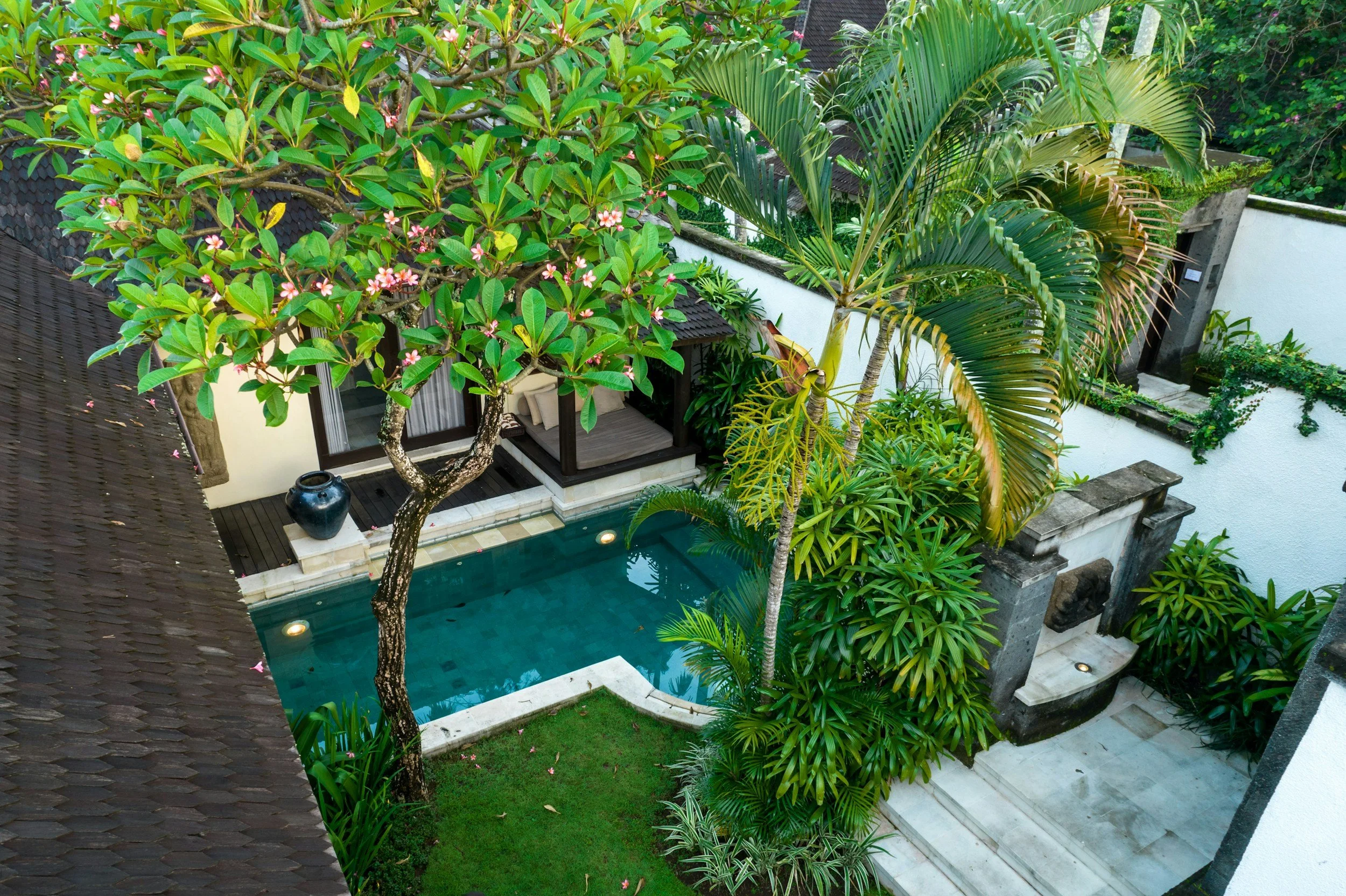
Foreign-owned companies must meet zoning requirements and operate under the correct business classification known as KBLI.
When it comes to returns, well-located villas do still perform well, but the rapid development of recent years means that there is much more competition. Before making any commitments, factor in all of your operational costs, including management fees, taxes, maintenance and licensing, to make sure that it’s still a wise investment when all is considered.
4. Do I need to pay taxes in Bali if I live here as a digital nomad?
Yes, you do. Staying more than 183 days in Indonesia during a calendar year makes you a tax resident, meaning you need to get a personal tax ID (NPWP) and file taxes. In practice, immigration and tax systems aren't currently connected, so some people avoid detection, but that doesn’t mean that you shouldn’t pay taxes. Regulations can change quickly and Indonesia is improving its systems every year. If you get caught not paying taxes whilst living in the country long-term, there could be serious consequences involved.
5. Can I work as a freelancer in Bali?
There’s no general freelancer visas that allow you to work with local clients. If you want to work as a digital nomad, there is the Remote Worker KITAS (E33G), which allows you to work for a foreign company that is located outside of Indonesia - although you do need an official employment contract and a minimum annual salary of $60,000 USD. There is also the Entertainment KITAS for specific professions (DJs, musicians etc), which is valid for six months only and is non-renewable but allows you to work physically in venues. For anything beyond that, you need a PT PMA or a Working KITAS.
6. What are the visa options in Bali?
The answer to this really depends on what your plan in the country is.
For short tourist visits (30+30 days): Visa on Arrival, if eligible
For single-entry stays of up to 6 months: C1 Tourist Visa
When working for a foreign company: E33G Remote Worker KITAS
When working for an Indonesian company: Working KITAS
For long-term residency: Second Home Visa or KITAS/KITAP
For investors in Indonesian companies: Investors KITAS, if eligible

Short visits may use Visa on Arrival, while longer stays or work activities require other visas such as KITAS.
There are many more options available which can be explored on this site. However, if you’re not sure what the best option is or you’d like to discuss getting your visa for Bali with one of our experts, simply call or message us on Whatsapp, or visit the Bali Solve office in Pererenan.
7. Is Bali a good place to raise a family?
Bali is a beautiful place to live with your family, as Indonesians are warm and welcoming towards children, daily life with kids is easy, and the international school options — from traditional education to Montessori and Green School — are pretty extensive and are continuing to grow. On the other hand, some families find pediatric care not quite up to standard; while it has improved, many still prefer to travel to Singapore or Thailand for specialized or serious medical issues. Combined with the island's notorious traffic and the scarcity of traditional public spaces and parks, navigating daily life with young children requires a high degree of patience and planning.
8. Can foreigners buy a vehicle in Bali?
Foreigners can buy a vehicle in Bali if they have a valid KITAS and an SKTT (certificate of residence). The latter takes a few days to process, and once you have both documents, you can purchase a car or motorbike directly from a dealership.
9. Can I extend my KITAS from overseas?
In order to extend your KITAS, you need to be physically present in Bali for the entire process, which can take four to six weeks. Leaving Indonesia during this period causes the application to lapse and any fees that you have already paid may be lost. As such, try to plan your travels with this in mind.
10. Is there a visa I can just buy to run a business in Bali?

To legally operate a business in Bali, foreigners must establish a PT PMA. This company structure allows investors to run a business and apply for an Investor KITAS.
To operate legally as a foreign business owner in Indonesia, you must establish a PT PMA (Foreign-Owned Limited Liability Company). This entity serves as your legal vehicle for business activities and acts as the sponsor for your Investor KITAS (Index E28), which grants you residency and the right to oversee your company. There are no shortcuts or cheaper options available, but running a business on a tourist visa is a risky move, and if caught, you could end up facing hefty fines or deportation.
Have another question?
If you’d like to know more, don’t hesitate to reach out. We’d be happy to answer any questions you have regarding living, working, opening a business or getting a visa in Bali. Simply contact us via our Whatsapp or visit the Bali Solve office.
Written by Bali Solve Team
17 March 2026