The Real Cost of Living in Bali: Hidden Costs You Should Budget For

Bali can still be affordable, but only if you understand the hidden costs before you move.
If you are planning on moving to Bali, you've probably done some mental maths to figure out what you'll spend. What most people usually consider is rent, food, transport, trips, and hopefully, healthcare. However, life is full of surprises, and more often than not, moving to another culture and country will come with its own unexpected costs. In this article, we'll explore the hidden costs of living in Bali in 2026, so that you are prepared and know exactly what to budget for before your move.
Community Life
When you move to Bali, you are joining a community. Every household, including foreign residents, contributes to their local Banjar (neighbourhood administrative unit) through the Iuran Banjar. This covers security via the Pecalang (traditional community guards), road maintenance and general administration. Expect to pay IDR 100,000 to 500,000 ($5.65-$29) per month as a resident, and more as a business.
Pay on time, ask for a receipt and make the effort to know the Kelian Banjar (head of the Banjar) by name. Having a good relationship with the banjar is a good way to connect deeper with your neighbourhood and also an investment in case there are any local issues that affect you.
Bali's religious calendar is very active. Contributions to major ceremonies like Piodalan (temple anniversaries) are sometimes expected from residents, although you might not be asked as a foreigner. This ultimately depends on your relationship with your neighbours and the area you live in.
Costs at Home
Rubbish:
Rubbish collection (Sampah) is usually separate from your Banjar fee, with standard pickup costs ranging from IDR 50,000 to 500,000 per month. However, waste separation is no longer optional - residents and businesses are legally mandated to sort their trash into organic, inorganic, and residual categories at the source. It is critical to note that Bali is currently experiencing a severe waste management crisis. The island's primary landfill has severely restricted its intake, banning organic waste entirely, and while its full closure timeline keeps being extended due to a lack of viable alternatives, the ongoing infrastructure strain means residents should expect immediate price increases for rubbish collection alongside massive service delays.
Water:
You cannot drink tap water anywhere on the island. Most people get their drinking water by purchasing large, refillable plastic "galon" jugs. They aren't actually a US gallon but hold 19 liters, with a couple typically consuming around two jugs per week. At a baseline cost of roughly IDR 20,000 ($1.20) per jug for standard brands like Aqua, basic drinking water averages about IDR 160,000 ($9) a month for a couple.

Safe drinking water in Bali comes with recurring costs that many newcomers forget to budget for.
However, if you prefer premium natural mineral or alkaline water brands with better mineral profiles (such as Balian), expect to pay closer to IDR 40,000 to IDR 55,000 per 19-liter refill. Additionally, safeguarding your water quality requires proper storage; leaving plastic jugs exposed to the intense tropical sun can degrade the plastic and cause microplastics to leach into your water. Factor in a slightly higher budget for premium water brands and enclosed storage solutions or structured dispensers to keep your jugs cool and shaded.
Electricity:
Electricity is the one that consistently surprises people. Indonesia runs on a prepaid Pulsa top-up system, where you buy a code via an app and top up by putting the code on your meter. If you have a large three bedroom villa running air conditioning through the day can cost up to IDR 4,000,000 ($226) per month, although it could be less if you're mindful. For a smaller villa of two bedrooms, it may work out to around IDR 2,000,000 ($113).
When it comes to electricity, it's generally not included in the price of your rental agreement, so account for it before committing to a contract, and be aware that having a pool will increase your electricity bill.
Mould and Humidity:
Another issue in Bali is maintaining your home against mould. The humid environment and sometimes poor build quality can result in severe mould issues if not maintained properly. Getting a dehumidifier is a smart move to protect your health and home from mould, and regular fogging services are a common deterrent, too. A good dehumidifier will set you back 3,000,000 IDR ($186) and upwards, and fogging treatments cost around a minimum of 800,000 IDR ($50) per time.
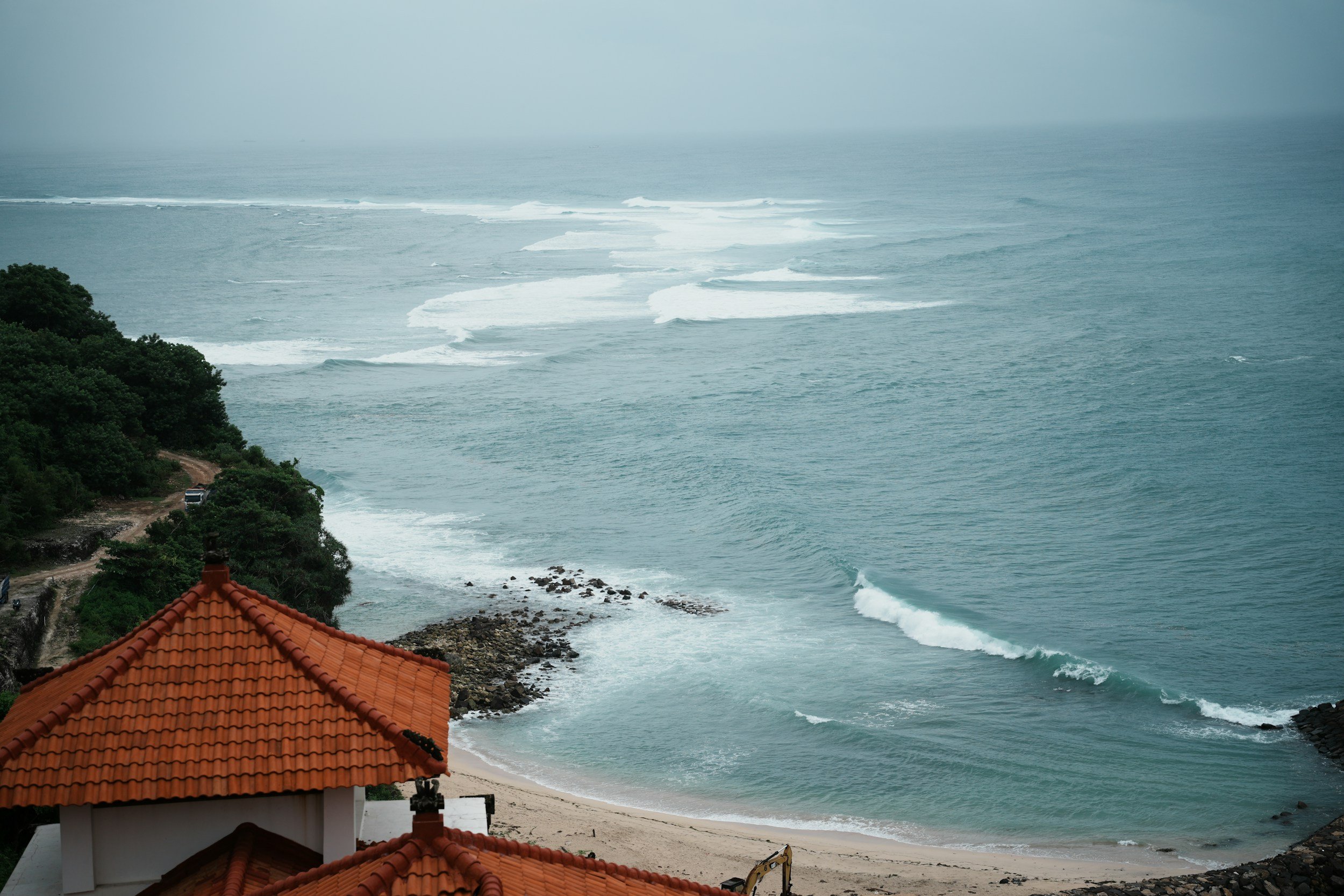
The tropical climate is beautiful, but humidity, mould and moisture damage are constant maintenance costs.
The wet season from November to March can be a little hard on your electronics and anything with a finish. Laptops, cameras and leather goods may not last as long as in dry climates, so it’s worth factoring in occasional replacement costs.
Signing a Lease:
When signing a lease, remember to budget for notary fees and rental tax. While the 10% final income tax (PPh Pasal 4 ayat 2) on rental income is legally the landlord's responsibility for private residences, landlords in Bali frequently try to negotiate for the tenant to cover this cost in the contract, so it must be clarified upfront. Notary fees typically range from 1% to 1.5% of the total lease value depending on the complexity of the agreement. Having the contract formalized by a licensed Notaris is strongly recommended for long-term leases to ensure your investment is legally protected and registered.
Healthcare
Although many people buy travel insurance that covers healthcare when they arrive, often these policies expire or become useless when they start becoming an actual resident of another country. This is because travel insurance is intended for travel, and not for long-term life abroad.
Proper expat health insurance costs $150 to $400 per month per person depending on your age and coverage, which can sound expensive to those living on a budget. However, if you don't have it and something goes wrong, the costs can be dramatic and life-altering.
Bali has good private hospitals. Without coverage, a serious stay can become thousands of dollars quickly. A medical evacuation to Singapore or Australia, which is a real outcome for anything complex, can cost $50,000 or more before treatment begins. Most people who skip health insurance in Bali are taking a chance that everything will be okay. Read our article to find out more about health insurance in Bali
Administration: Registration and Taxes
Once you stay in Indonesia for 183 days, you are considered a resident, and are therefore expected to register for a tax ID and start paying taxes. To file your taxes, you need to register for NPWP (tax registration number).
However, it is important to note that you can only apply for an NPWP if you hold an Indonesian residence visa, such as a KITAS (Temporary Stay Permit) or KITAP (Permanent Stay Permit). Without a valid stay permit like a KITAS, the tax office (Kantor Pajak) will not issue an NPWP, creating a tricky grey area for individuals who cross the 183-day threshold on sequential tourist visas or other non-resident frameworks.

Many expats only think about Indonesian taxes after moving, when they should be planning before arrival.
The annual SPT (tax return) filing is an annual requirement for those living in Bali. Filing your own return is technically possible but genuinely inadvisable. A qualified local accountant charges around IDR 3,000,000 per year, but getting it wrong can result in greater issues and lengthy tax audits. Also, your tax expert should understand legal tax strategies which can help you to save money.
At Balisolve, we handle NPWP registration as part of our services. Contact us via WhatsApp or visit our office in Pererenan if you need help with getting any of these numbers, or with filing your annual taxes (SPT filing). While many never even consider their tax situation before moving here, tackling it early on is the best way to preserve your peace of mind and ensure that you can stay in Bali long-term if you ever want to.
Getting Around
Police checkpoints in Canggu, Seminyak and Uluwatu routinely check for a valid driving license, and if you don’t have one, you’ll be fined. More importantly, riding without a valid licence can invalidate your health and travel insurance. Any accidents can become extremely expensive, so getting a driving license is worth it to protect both yourself and your insurance. If you need help obtaining a local Indonesian driving licence, our team can guide you through the process. Simply reach out to our team here at Bali Solve and we’ll help you get it sorted.
Phone and Banking Costs
If you bring a foreign phone, your device needs IMEI registration for a local SIM to work longer than the initial 3 months. This is a fairly recent requirement and catches people by surprise, so it's worth sorting before or shortly after you arrive.
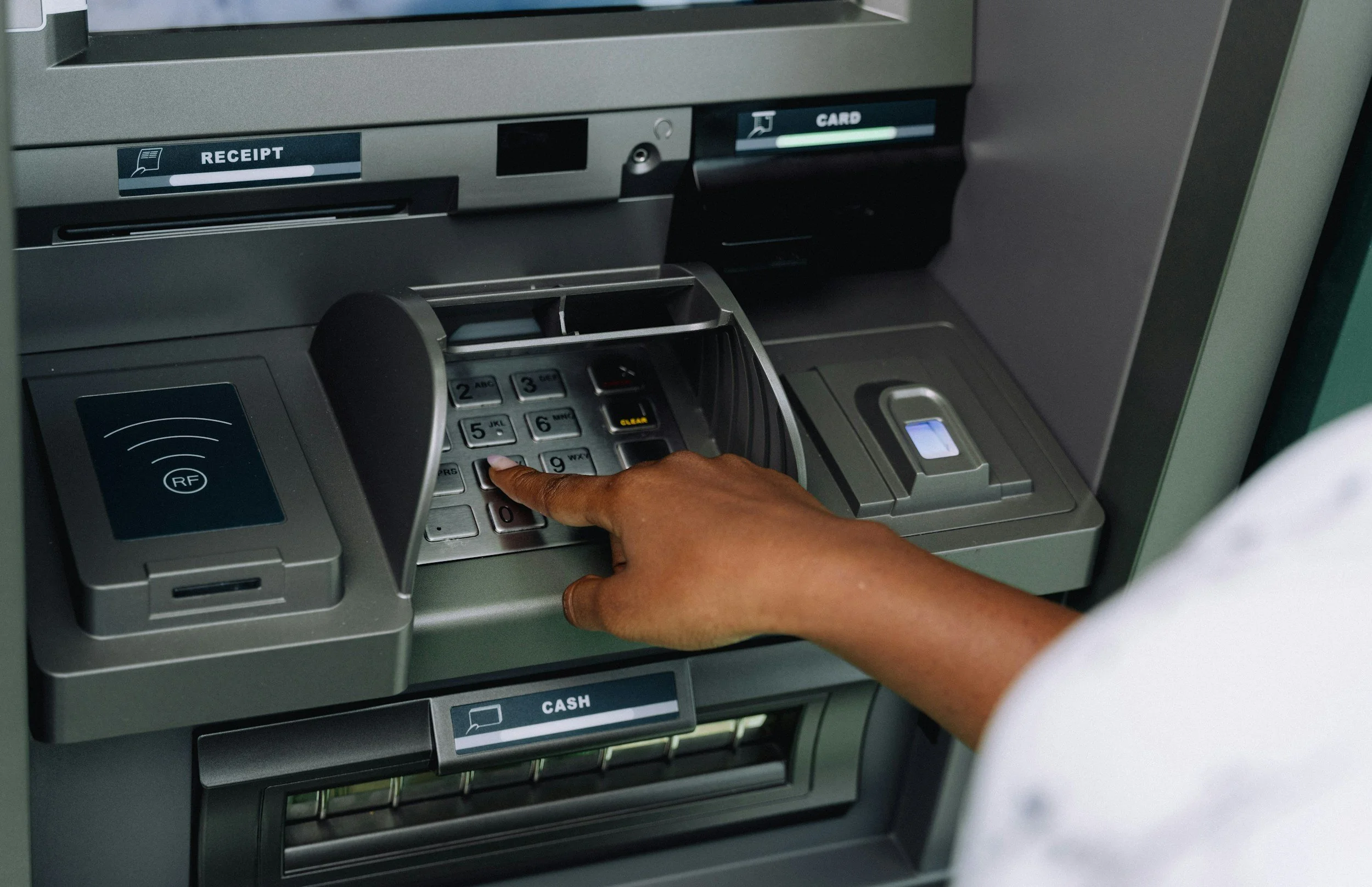
Simple things like mobile signal and ATM withdrawals often become unexpected setup costs for new residents.
Use ATMs inside bank branches rather than standalone machines in busy areas, which are very much prone to skimming. If you are going to use ATMs in the street, avoid tourist areas such as Batu Bolong in Canggu. Another common outgoing might be a VPN subscription of around $5 to $10 per month, since many sites that might be accessible in other countries are not here.
Other Costs:
Laundry:
While many people love having their laundry done here, laundry damage is much more common than you would expect. Delicate fabrics regularly come back in bad condition, and replacing clothes in Canggu, where boutique pricing applies, costs more than you might anticipate.
Lifestyle Creep:
One of the most common budget surprises in Bali has nothing to do with admin or infrastructure, but the lifestyle itself. Bali makes it very easy to spend more than you planned if you’re coming from a Western country because everything feels more affordable than home. Eating out every day seems justified when a good meal costs a few dollars. Joining a yoga class every day feels reasonable if the drop-in rate is a fraction of what you’re used to paying. Booking a sound bath, food deliveries, regular massages, and trips around the island don’t feel expensive in isolation.
Nevertheless, people move to Bali expecting to save money, and then find themselves eating out every meal, attending daily classes and filling their weekends with activities they would never have done so regularly at home. Collectively, this can add up faster than most people expect.
Paying a Premium in Canggu:
Canggu has established itself as one of the wellness capitals of the world, and the pricing reflects that. Gyms, studios and wellness facilities are extensive, but they often come at a high price. Many gyms and yoga studios that expats gravitate to can cost anywhere between IDR 1,200,000-3,600,000. The costs are enough to shock even those moving from notoriously expensive countries like the UK and US.

Canggu may feel cheaper than the West, until the lifestyle upgrades quietly become your new normal.
The area is also full of boutiques selling activewear, resort wear and lifestyle brands. It is a beautiful aesthetic, but it is not cheap. If your laundry damages something and you need to replace it quickly in Canggu, you may find yourself paying significantly more than expected if you don’t know where to shop.
Groceries vs. Dining Realities:
Many newcomers are surprised to find that cooking Western-style meals at home can actually cost more than it does in parts of Europe or nearby Australia. Because Indonesia imposes steep import tariffs, items like high-quality cheeses, imported dairy products, premium Western fruits and vegetables carry a massive premium at expat-facing supermarkets. Alcohol is particularly expensive due to heavy luxury taxes on imported spirits and wine. Sourcing quality meats, such as imported Australian grass-fed steaks or premium cuts of beef, is also incredibly pricey and will quickly bloat your grocery bill.
Because of these high grocery costs, you will often find that dining out can actually be the more economical choice. Eating at a local warung or a simple local kitchen can cost a fraction of a western home-cooked meal, making a lifestyle of regular dining out surprisingly budget-friendly compared to sourcing imported ingredients for your own kitchen.
Is Bali Still Affordable?
Bali is still one of the most affordable places in the world to live well. The costs here are not reasons to hesitate. They are simply what life actually looks like once you arrive, and knowing about them upfront means you can plan ahead properly.

Bali is still one of the best places in the world to live well, as long as you plan realistically
If you're in the middle of planning your move, we know there's a lot to think about. At Balisolve, we help expats get the right visa for their stay and make sure everything is set up correctly from day one. Reach us via WhatsApp or visit our office in Pererenan if you need any help with visas, company set up, taxes, getting a driving license and more.
Frequently Asked Questions
Q: Do I have to pay Banjar fees as a foreigner?
A: Yes. Every household, including foreign residents and businesses, is expected to contribute. The amount varies by area but the expectation is universal.
Q: What is the SKTT and do I need one?
A: The SKTT is your local residency registration certificate. If you hold a KITAS (Kartu Izin Tinggal Terbatas, temporary stay permit), in most cases you are also required to register with your local village office.
Q: Is health insurance really necessary in Bali?
A: Yes. Travel insurance lapses quickly and most people don't notice until something goes wrong. A medical evacuation to Singapore or Australia for a serious case can cost $50,000 or more. Proper expat coverage typically costs $150 to $400 per month, which is significantly less than the alternative.
Q: Do I need a driving license to ride a scooter in Bali?
A: Yes. Checkpoints are active in popular areas and riding without one can invalidate your insurance entirely in the event of an accident.
Q: Can I file my own Indonesian tax return?
A: Technically yes. But in practice, most expats use a local accountant at around IDR 3,000,000 ($170) per year. The cost of filing incorrectly is considerably higher. Please note that you can only apply for an Indonesian tax ID (NPWP) if you hold a residential stay permit, such as a KITAS or KITAP.
Written by Bali Solve Team
28th May 2026