
Indonesia’s financial markets are facing growing uncertainty, with billions in wealth lost among its richest business families. As international investors reassess the market, the effects could reach beyond the stock exchange and into everyday business life in Bali.
You might not follow Indonesia’s stock market, but if you live in Bali, what’s happening on it could still affect your money. Five of the country’s wealthiest tycoons and their families saw almost US$57 billion wiped off their combined wealth between January and October, as warnings from global index provider MSCI helped trigger a major sell-off in Indonesian shares. MSCI has now proposed a change that could lead some international funds to sell their Indonesian shares, potentially putting more pressure on the rupiah. So, what’s going on, and what might it mean for your everyday life or business in Bali?
What Is MSCI?
MSCI stands for Morgan Stanley Capital International, and it’s a firm that tracks how markets are performing and creates stock market indexes. Investment funds and investors use these indexes as a reference to make decisions. MSCI places stock markets into categories that help determine which shares appear in its indexes and where certain funds invest:
Developed Markets: those considered to be major industrial economies (such as the US, Japan or Western European countries)
Emerging Markets: Stock markets with sizeable companies, enough shares being actively traded and access for international investors, such as China, Taiwan and Indonesia (for the moment).
Frontier Markets: Smaller or harder-to-access markets like Vietnam or Kenya.
Standalone Markets: Markets kept outside MSCI’s other indexes, sometimes because of difficulties with market access.
MSCI’s Proposal
On October the 15th, MSCI proposed removing Indonesia from the emerging market category and placing it into the ‘standalone’ category. This matters because some international investment funds follow MSCI’s indexes when deciding which shares to hold. If Indonesian shares are removed from the indexes they follow, those funds would need to sell them.
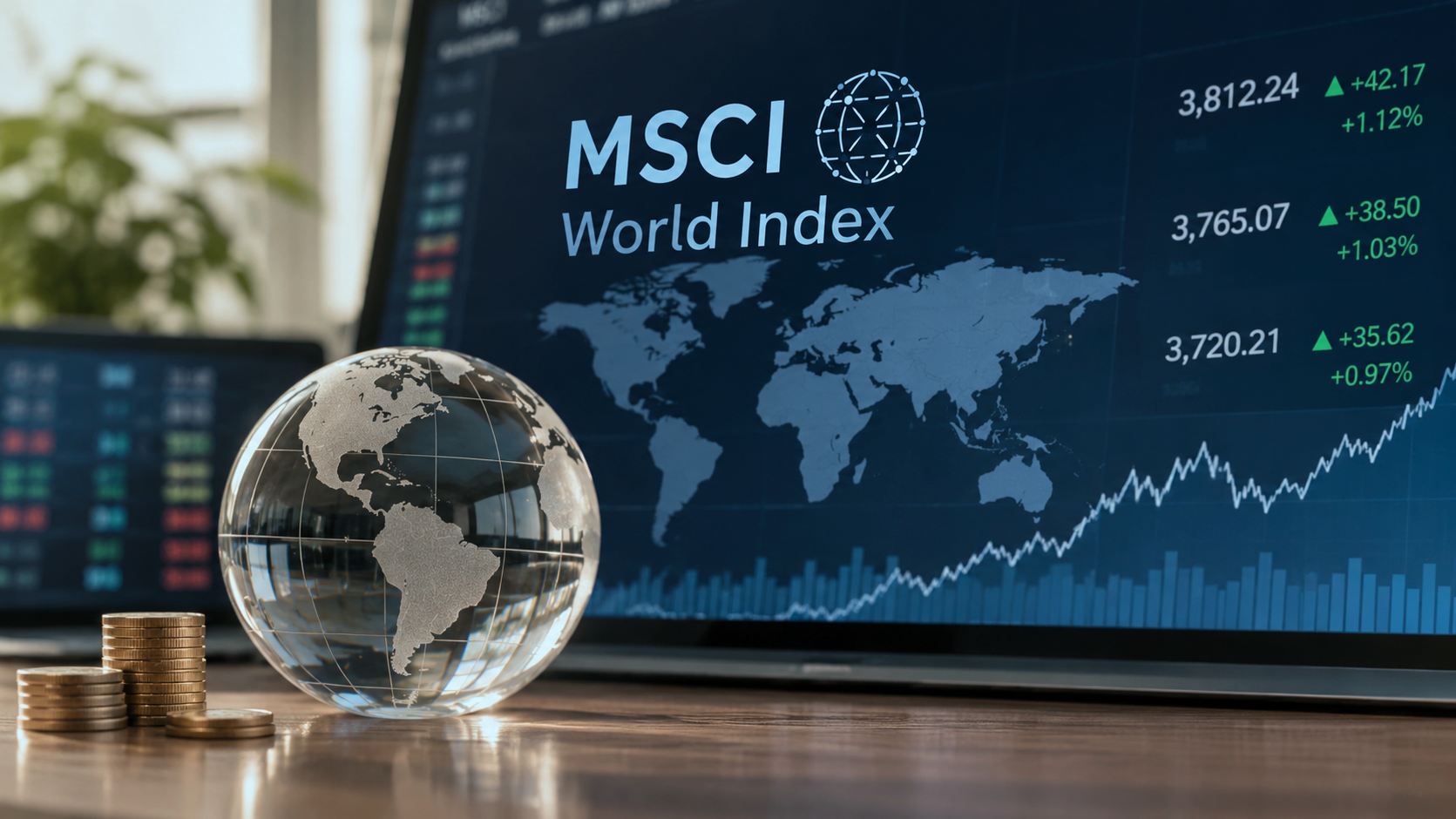
MSCI has raised concerns about transparency in Indonesia's stock market, particularly regarding share ownership and trading practices. Its proposed reclassification could affect how international investors view and participate in the Indonesian market.
According to its announcement, investors are concerned that it’s difficult to tell who really owns some Indonesian shares. There are also suspicions that some traders are working together to influence share prices. This could mean prices don’t truly reflect normal buying and selling, making it harder for investors to judge what shares are actually worth. It’s important to note that the proposal was not made because of Indonesia’s economy, but because of reasons related to transparency and trading practices.
Predicted Outcomes
Even though the warning seems rather bleak, there is still time for change to happen. MSCI is accepting feedback until April the 30th 2027 with a final decision due by June the 30th. Indonesian authorities have announced that they’ll make changes to address the concerns, such as requiring more information about who owns shares. However, unless things clearly improve in practice, the decision will go ahead. This type of downgrade is actually quite rare, having been applied for example to Russia in 2022 following the imposition of Western sanctions, and would place Indonesia amongst a small group of markets like Zimbabwe and Lebanon.
Reuters reported banks’ estimates of US$3–6 billion in potential withdrawals from funds that track the indexes, while withdrawals from other investors could be much greater. These are estimates of what could happen, rather than money that has already left. If overseas investors sell shares and exchange the proceeds into foreign currencies, that can put pressure on the rupiah.
The Rupiah Under Pressure
ANTARA reported that the rupiah closed at IDR 18,184 per US dollar on October the 28th, facing pressure from Middle East tensions, high oil prices and expectations of higher US interest rates. Concerns over MSCI’s proposed downgrade and increased demand for foreign currency from companies towards the end of the month added to that pressure.
Comparisons with the 1998 Crisis
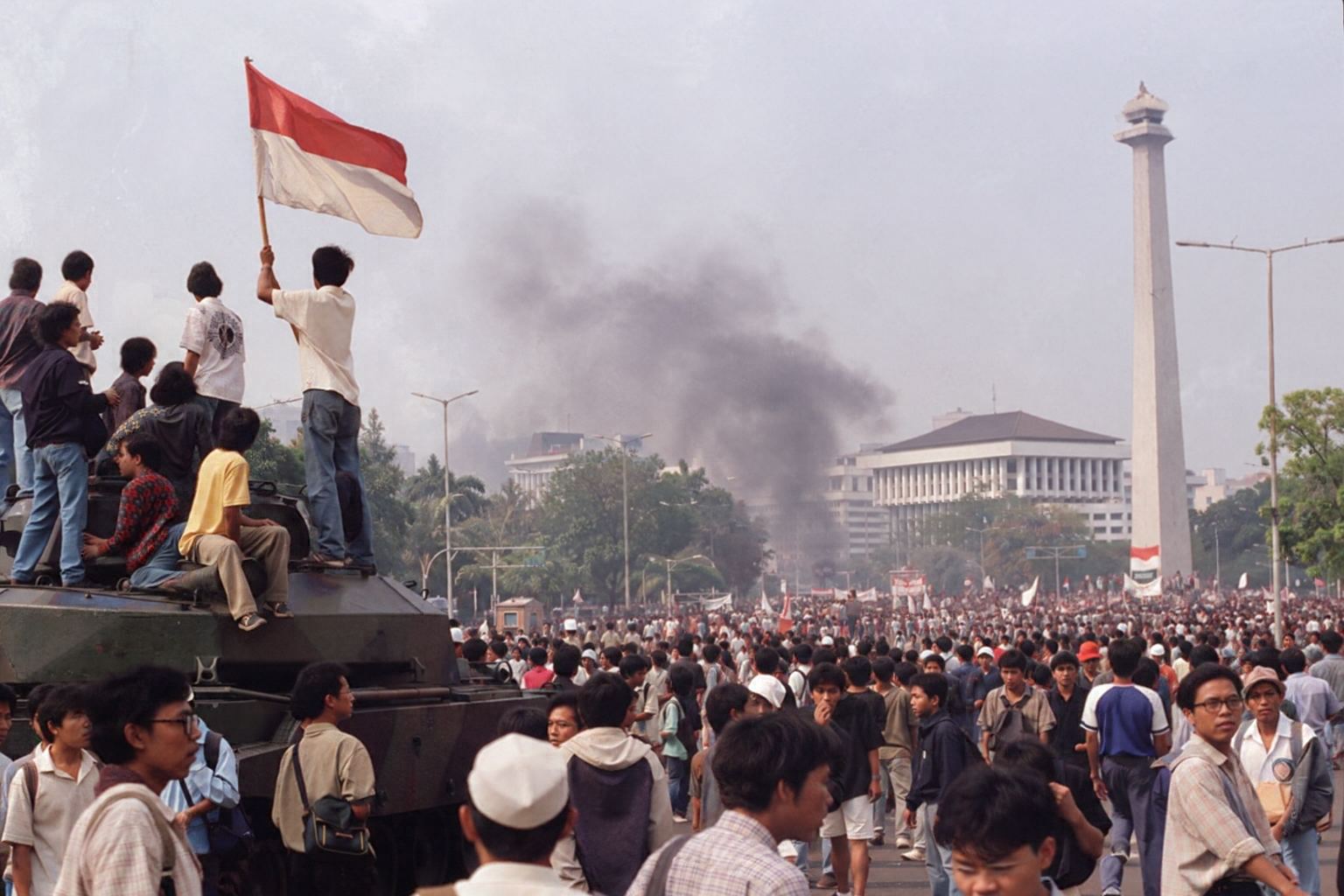
While memories of the 1998 financial crisis may raise concerns about Indonesia's current economic situation, today's figures tell a different story. Inflation and economic growth suggest that the country is facing a different set of challenges this time around.
In 1998 the rupiah fell drastically, but does it compare to today’s situation?
By the end of 1998, annual inflation had reached 77.6%, meaning everyday prices had risen dramatically. In comparison, annual inflation was 3.23% in October 2026, while the economy grew by 5.47% in the third quarter compared with the same period last year. Although these figures don’t tell the whole story, they show that the economic situation is different from 1998.
What This Means For You
For foreigners living in Bali, the effect depends on whether the changes go ahead and how you earn and spend your money. The proposal directly concerns companies listed on Indonesia’s stock market, rather than privately run villas, restaurants or other small businesses in Bali. However, if it puts further pressure on the rupiah, the effects could still reach your business or daily life.
If you earn in a foreign currency, a weaker rupiah can mean receiving more when you transfer money here.
If you earn or save in rupiah, overseas travel and sending money abroad can become more expensive.
If your business buys imported goods or has debts in a foreign currency, your costs could increase.
For business owners, it’s worth checking which costs depend on the exchange rate before agreeing to prices or making large purchases
For residents, understanding which currency your income and expenses are in can help you see where changes might affect your budget.
Need Help?
Whether you’re planning a move to Bali or already running a business here, our team at Bali Solve can help you with visas, PT PMA setup or accounting. We are a visa and business consulting agency based in Pererenan, near Canggu. Simply reach out via WhatsApp or drop by our office and one of our expert team members will happily assist you.
Written by Bali Solve Team
11 November 2026